The normal urinary system consists of the kidneys, ureters, bladder, and urethra, which perform the functions of urine production, transfusion, storage, and elimination, respectively.
In this issue, we will introduce kidney-based antibody indicators related to the urinary system to help scientific research!
Urinary System-Related Antibody Indicators
Kidney
1. Fibrosis related proteins
Collagen I / Collagen III / α-SMA / FN
2. Water channel proteins
AQP2 / AQP3 / AQP4
3. Glomerular podocytes
nephrin
4. Endothelial cells
CD31 / CD34
5. Epithelial cells
CK18 / CK19
6. Proximal tubule
GGT1 / Lrp2
7. Distal tubule
UMOD / Calbindin / SLC12A1
Bladder
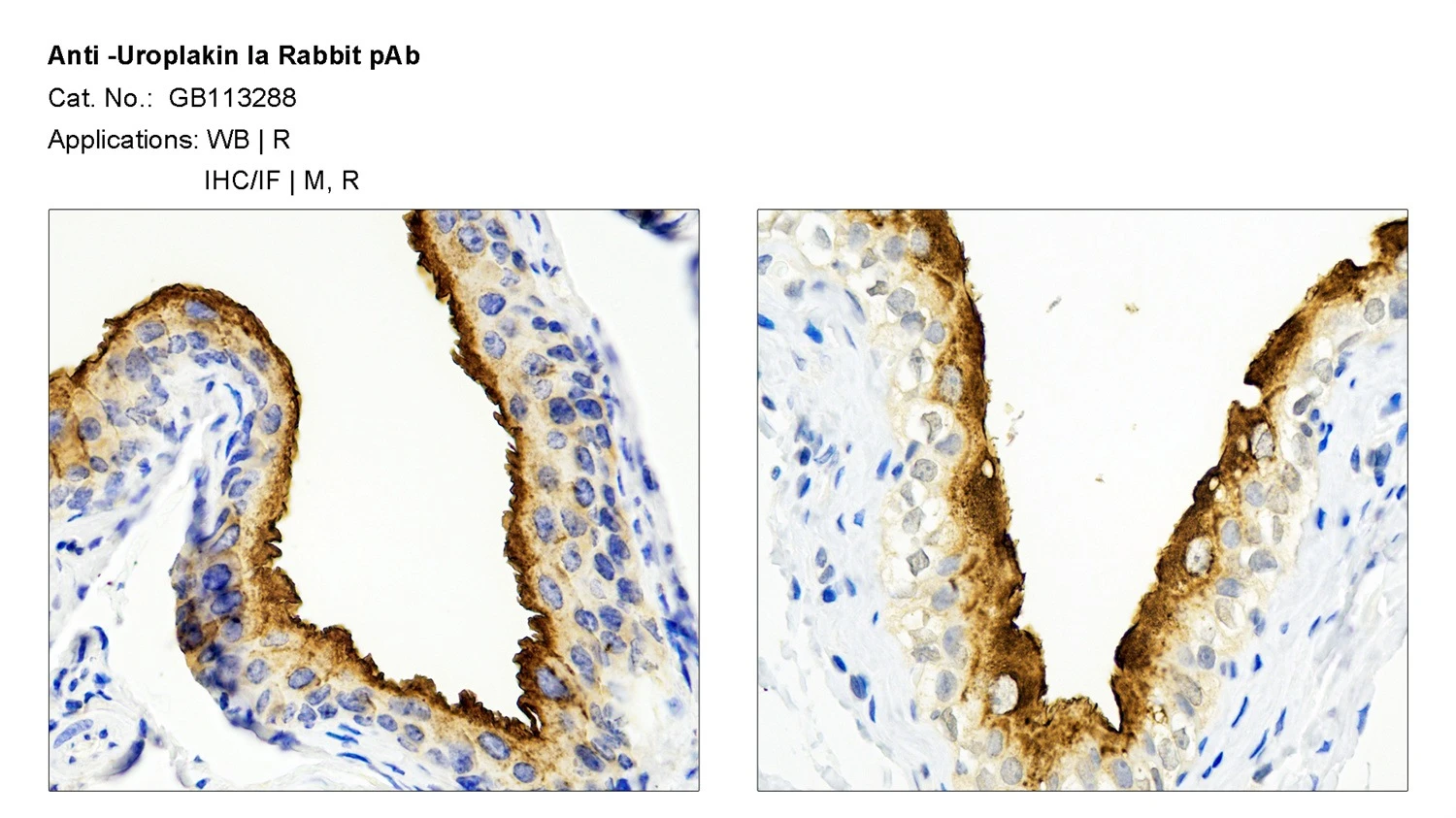
Umbrella cells: UPK1A
Note: Servicebio's antibodies may only be used in scientific research.
- Kidney Related Antibodies -
▇ A. Fibrosis Related Proteins
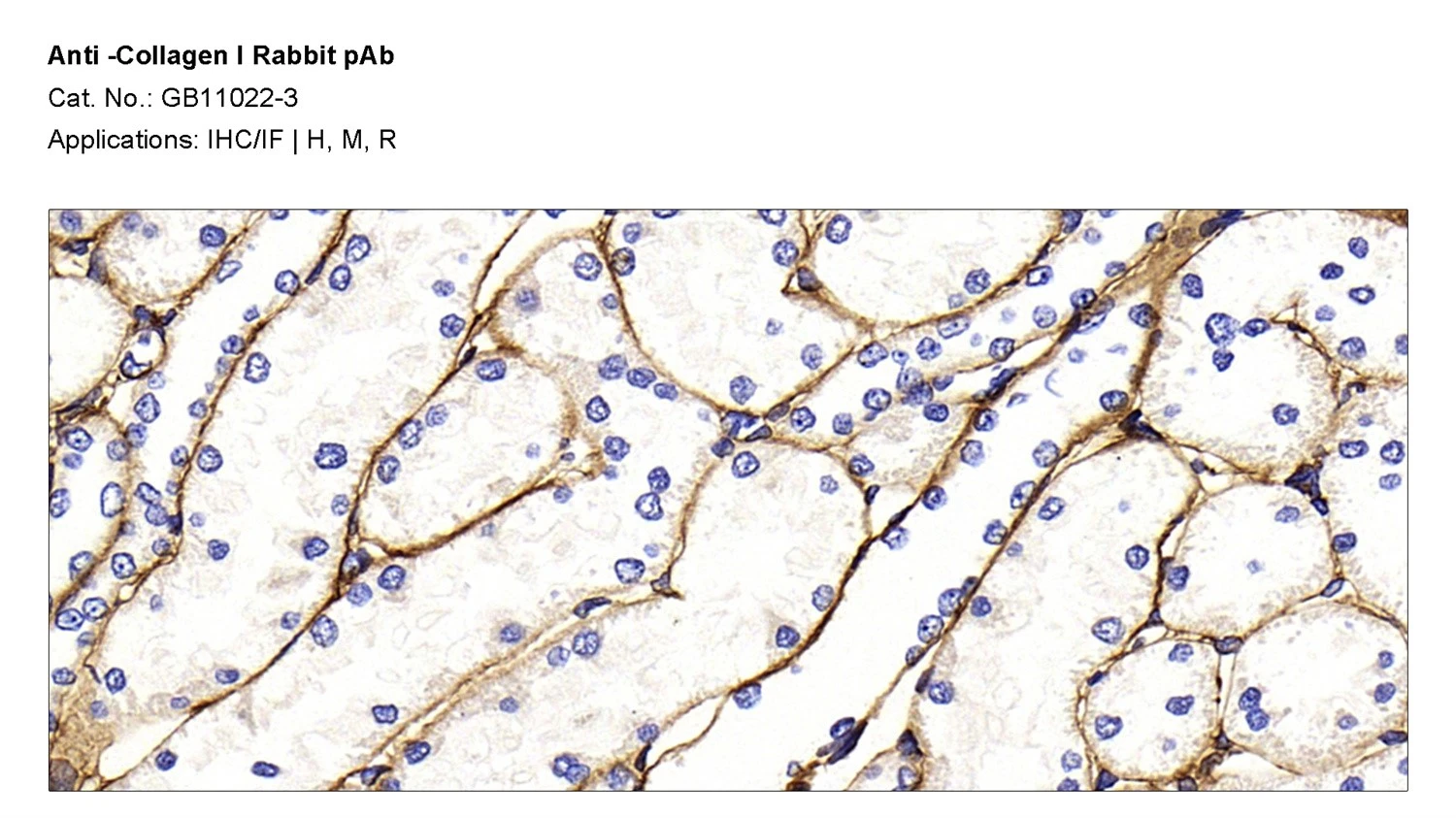
1. Collagen I
Cat. No.: GB11022-3
Collagen I, a fibrillar collagen, is one of the most abundant and important proteins in the human body, and is particularly important for skin, bone, and connective tissues. Collagen I expression reflects the extent of renal interstitial fibrosis.
2. Collagen III
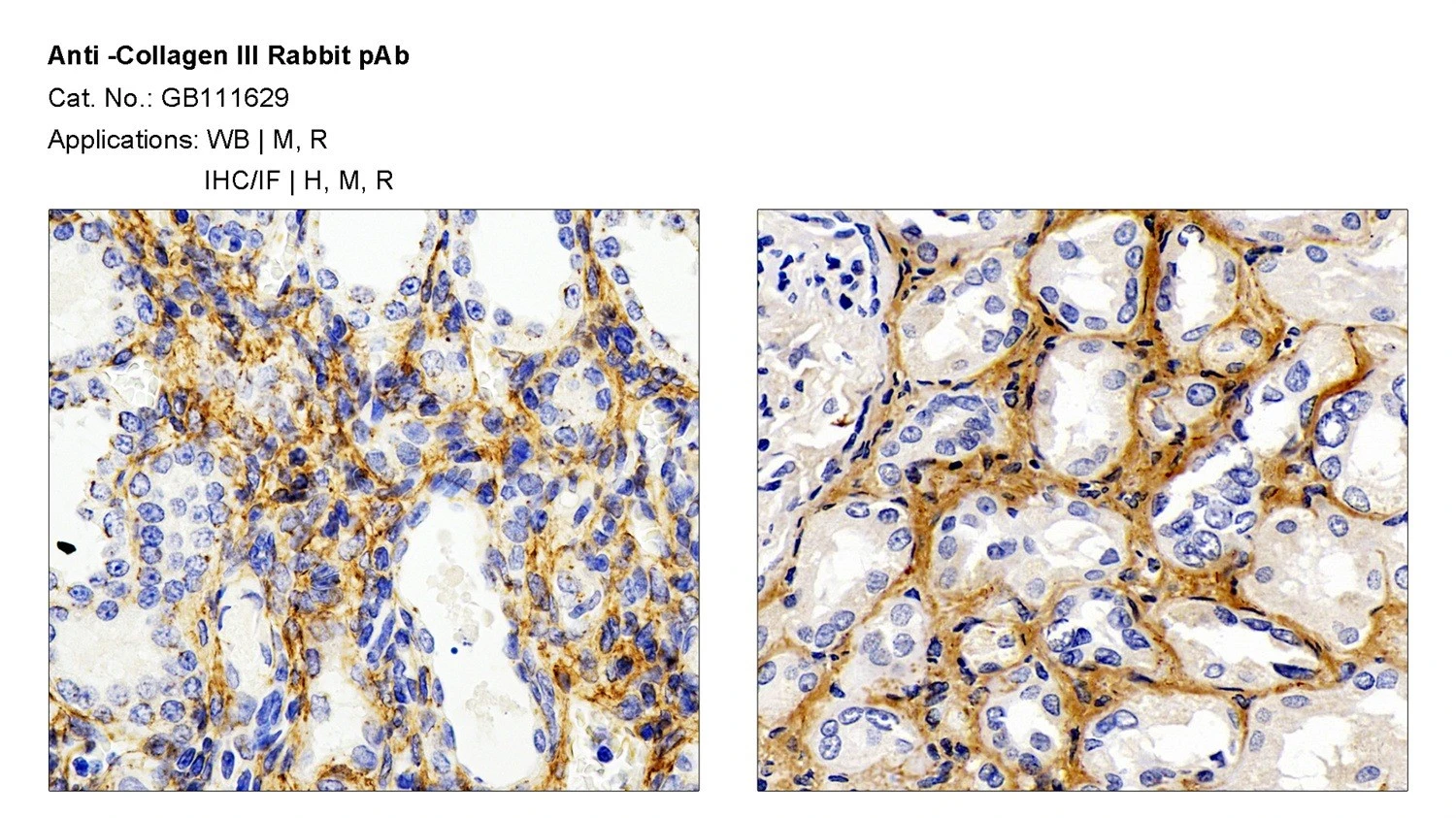
Cat. No.: GB111629
Collagen III consists of 3 α1 chains and is an extracellular matrix protein that is synthesized by cells as pre-collagen. It is an extracellular matrix protein that is synthesized by cells as pre-collagen.Collagen III expression reflects the degree of renal interstitial fibrosis.
Figure 1 Sample is a rat fibrotic kidney model
3. α-SMA
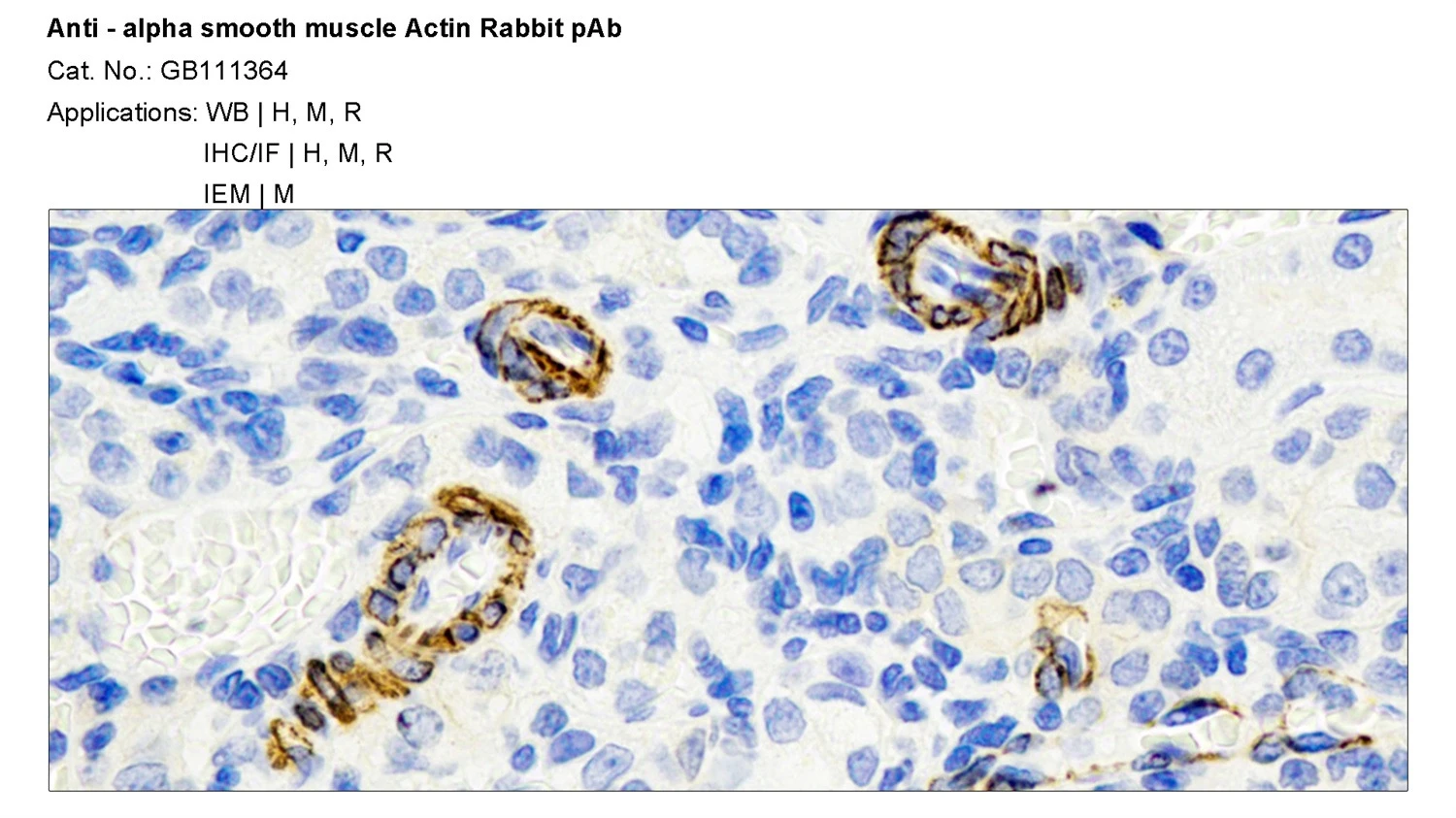
Cat. No.: GB111364
It has been shown that α-SMA is only expressed on vascular smooth muscle cells in normal renal tissues, but hardly expressed on glomeruli and tubules, while α-SMA is positive in diseased renal tissues of patients with chronic kidney disease.
4. FN
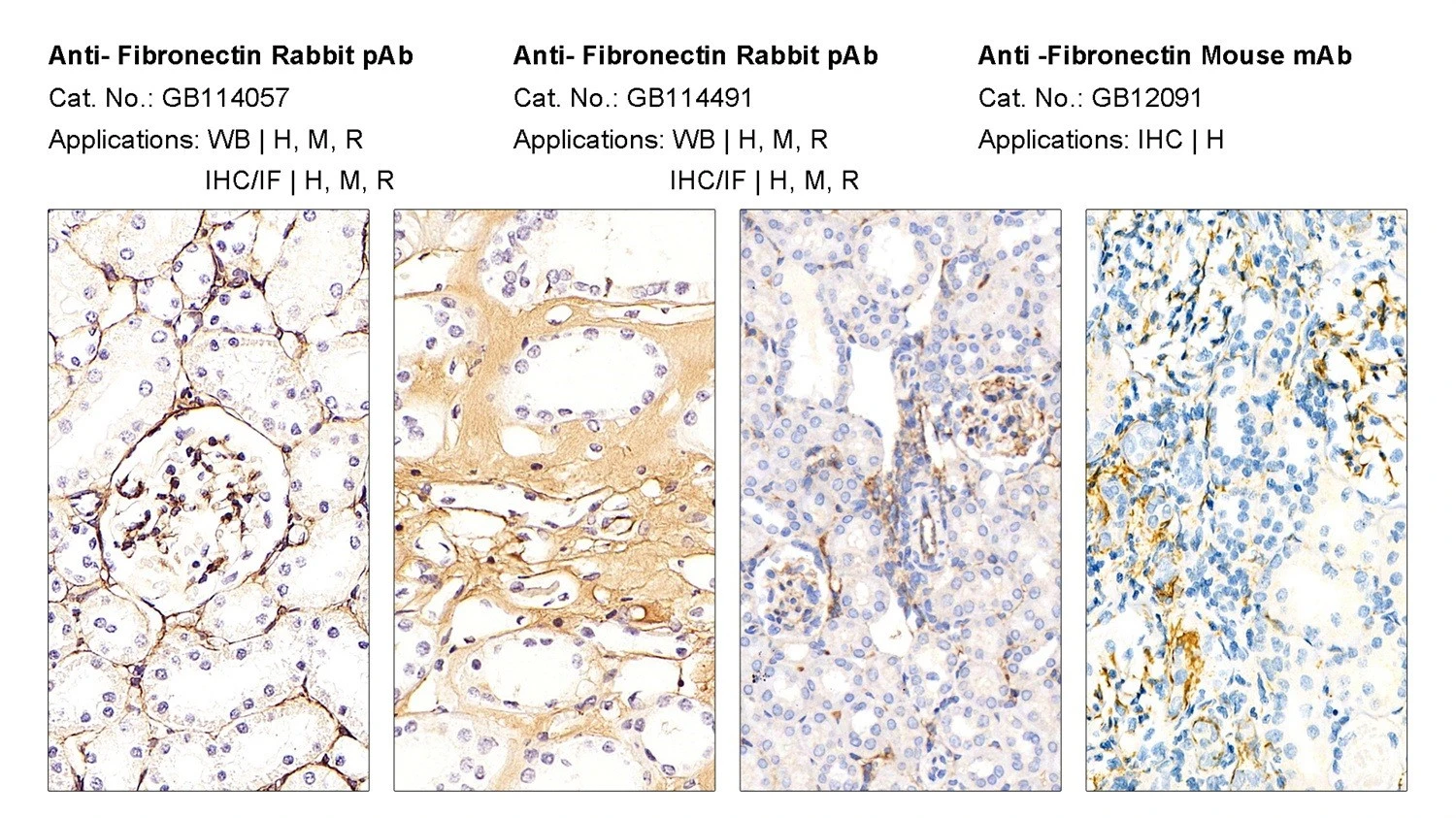
Cat. No.: GB114491 / GB114057 / GB12091
Fibronectin, a macromolecular glycoprotein widely found in animal tissues and tissue fluids, is mainly produced by liver and vascular endothelial cells. The expression of fibronectin reflects the degree of renal interstitial fibrosis.
▇ B. Water Channel Protein
Aquaporin is a protein located in the cell membrane (intrinsic membrane protein), in the cell membrane to form a "pore", can control the water in the cell in and out of the cell, like the "water pump of the cell".
1. AQP2
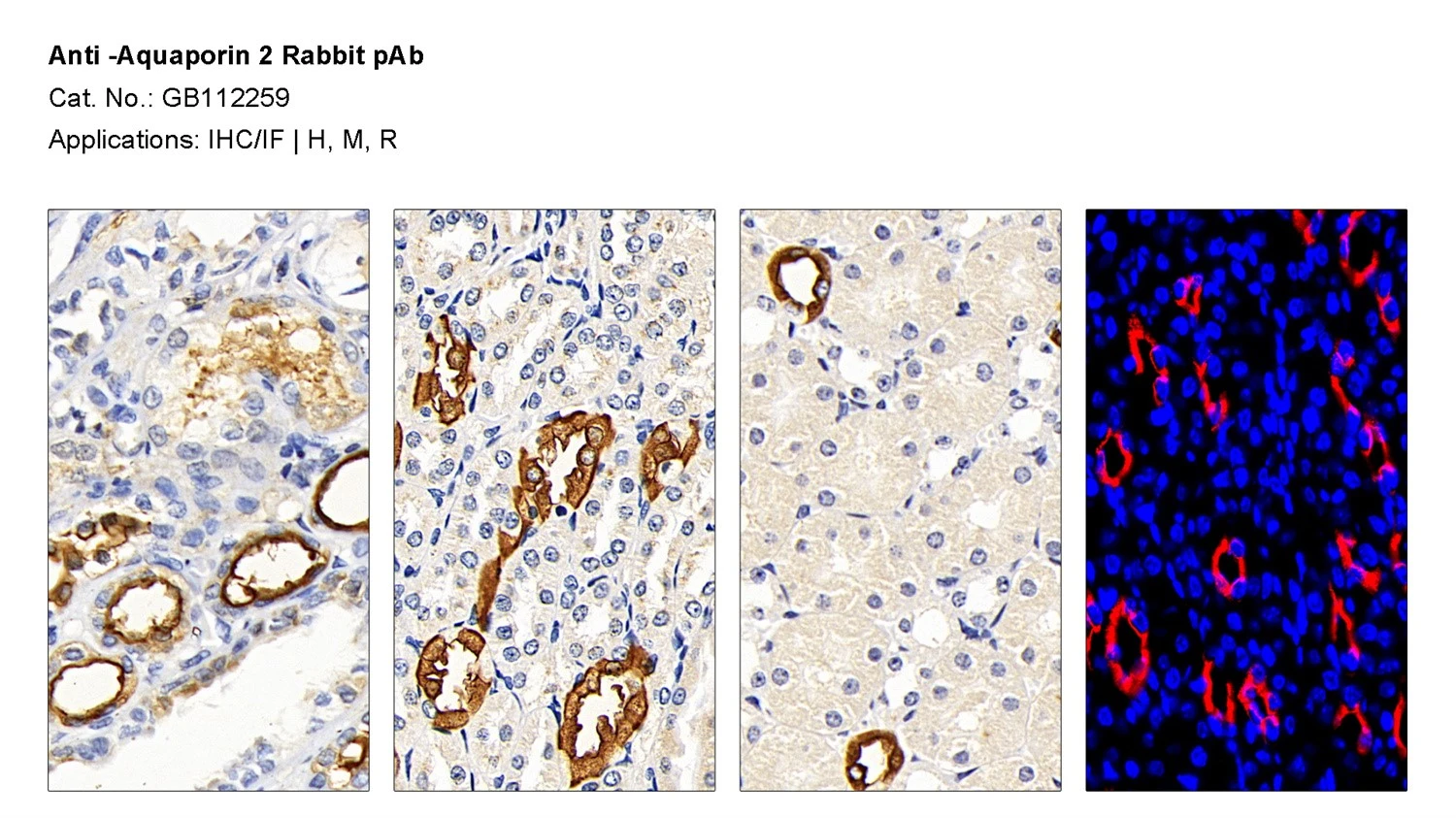
Cat. No.: GB112259
The function of aquaporin 2 (AQP2) is mainly water reabsorption in response to antidiuretic hormone, and its location is distributed in the apical cell membranes of the initial collecting ducts, cortical collecting ducts, outer medullary collecting ducts, and inner medullary collecting ducts in the kidney.
2. AQP3
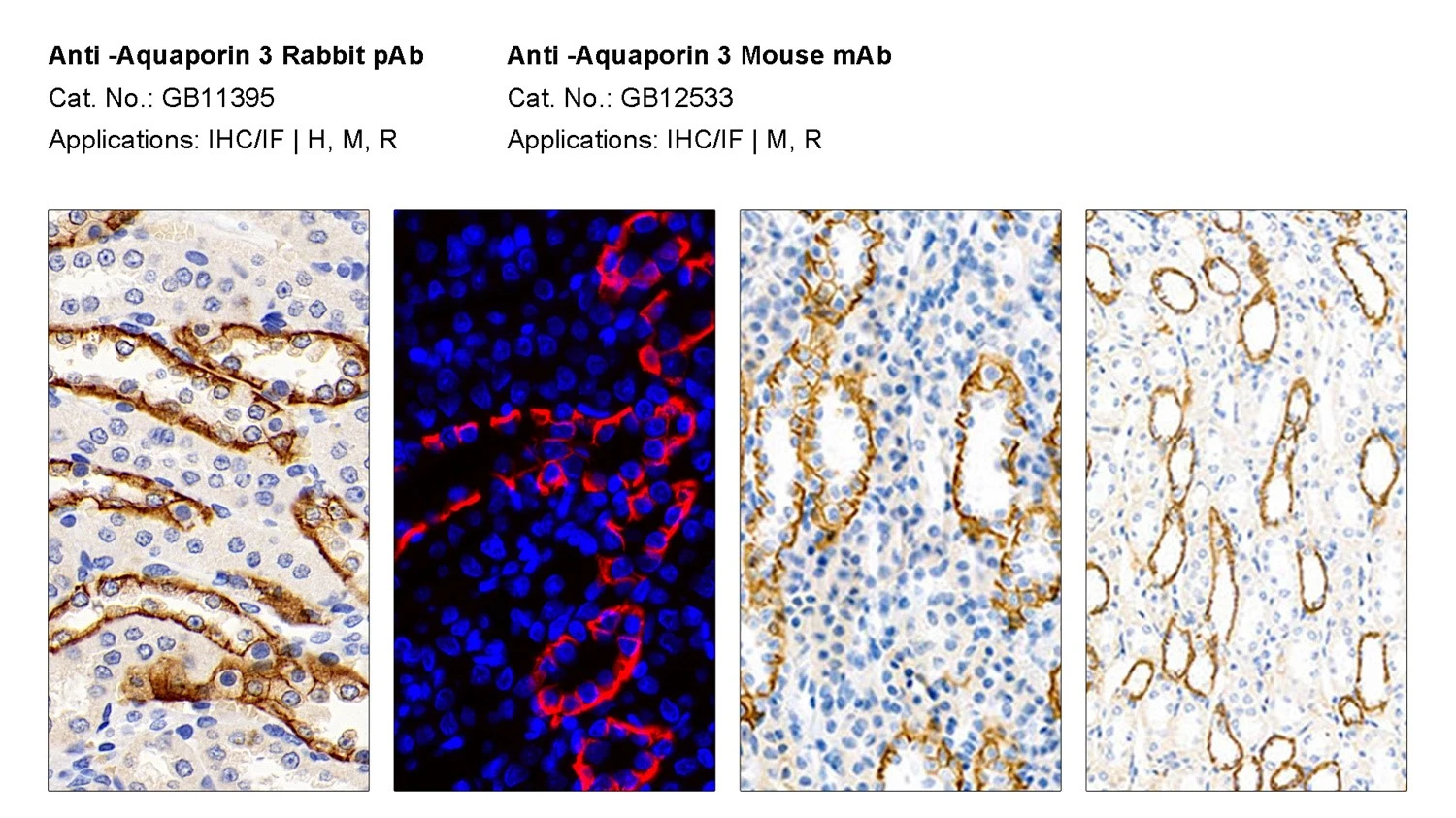
Cat. No.: GB12533 / GB11395
Aquaporin 3 (AQP3) functions in the reabsorption of water and glycerol and is located in the bottom outer cell membrane of the medullary collecting ducts of the kidney. Distributed in skin keratinocytes, AQP3 is responsible for the regulation of skin water content, wound healing, and tumor formation. Aquaporin 3 is also found in dendritic cells and erythrocytes of the immature immune system.
3. AQP4
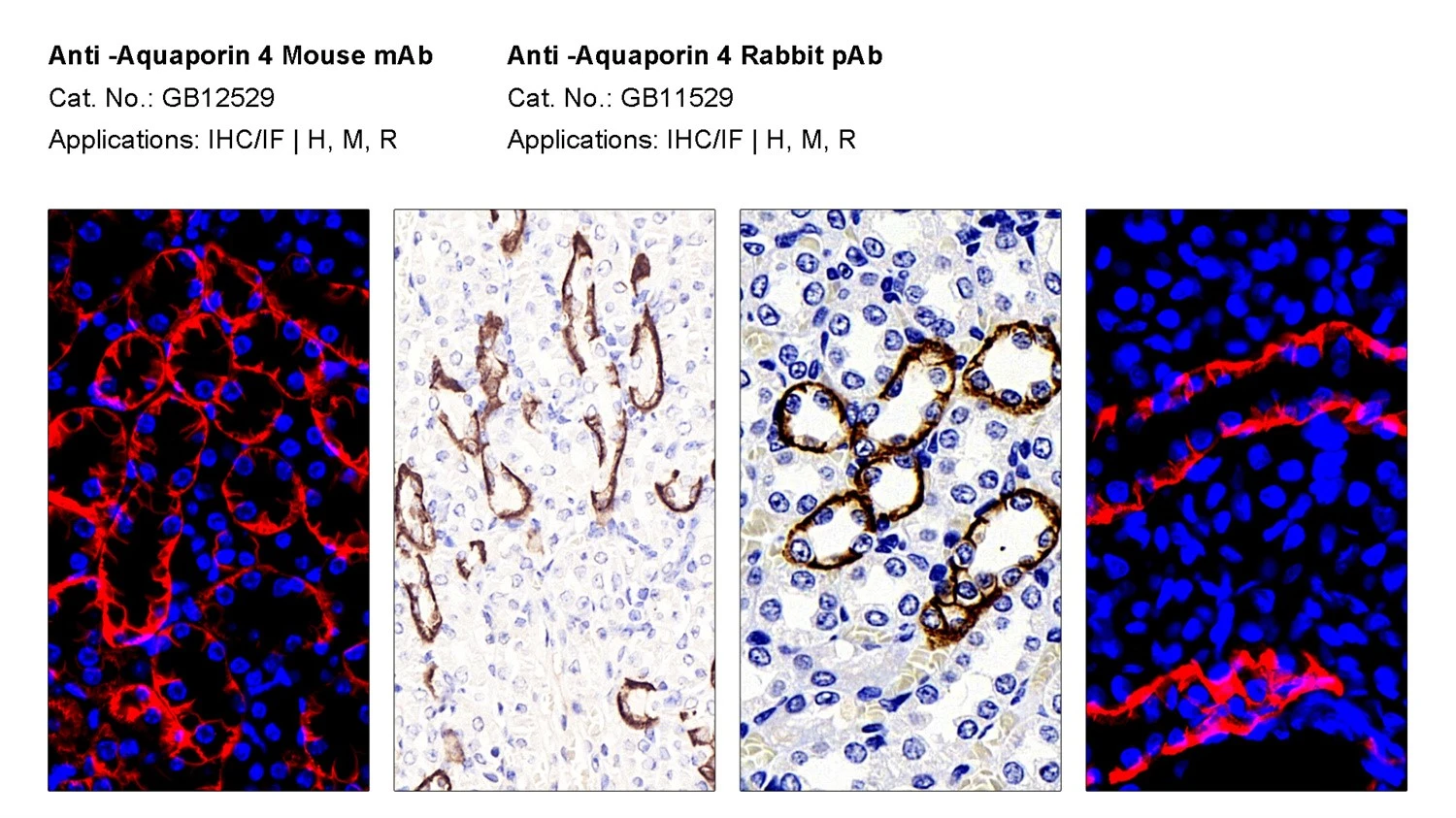
Cat. No.: GB12529 / GB11529
The main function of aquaporin 4 (AQP4) is water reabsorption in the kidney, and it is distributed in the basolateral cell membrane of the medullary collecting ducts of the kidney. Astrocytes in the central nervous system also express aquaporin 4, which is responsible for controlling cellular water flow.
▇ C. Glomerular Podocyte
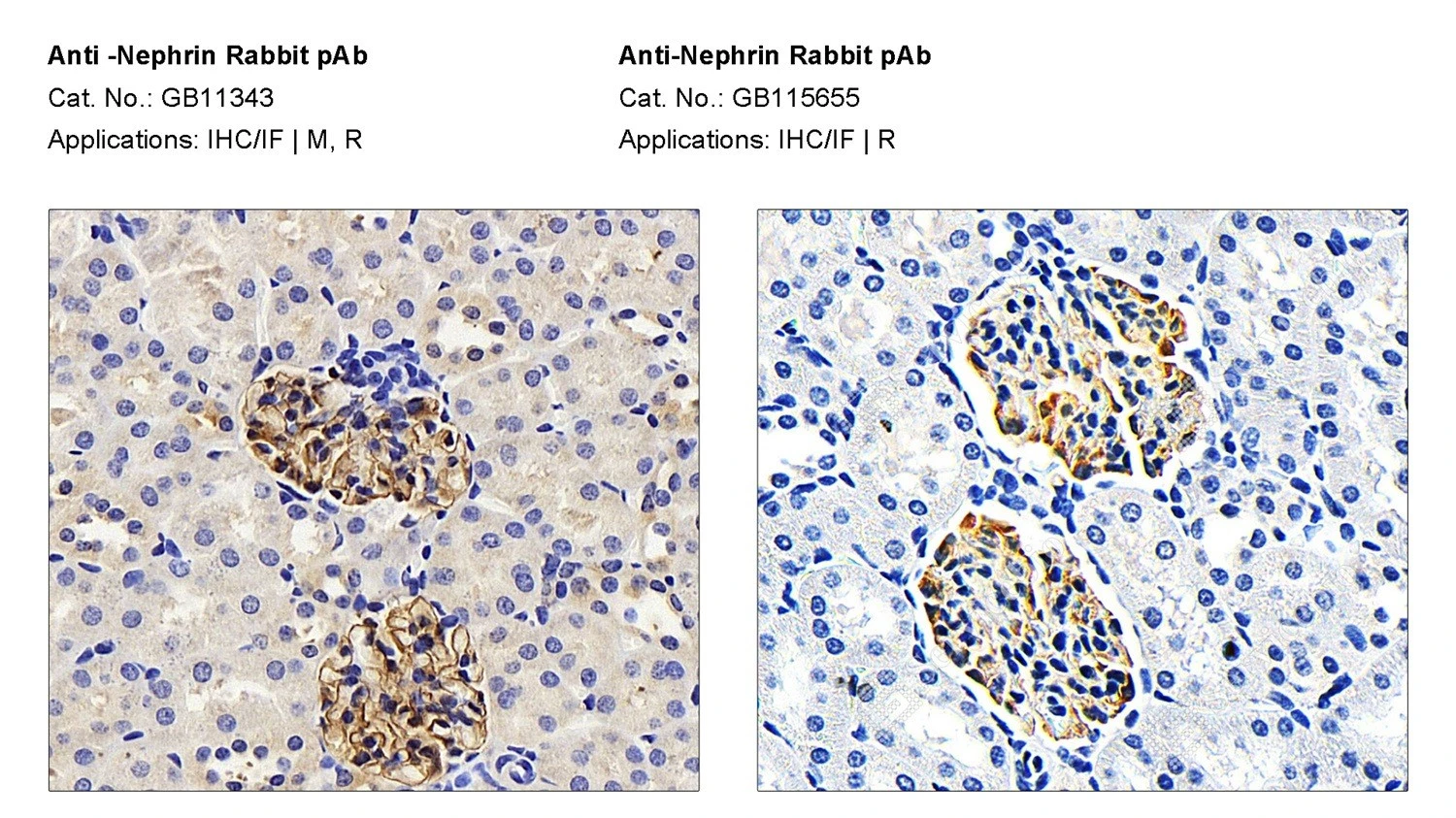
1. Nephrin
Cat. No.: GB115655 / GB11343
Nephrin is an essential component of the glomerular fissure septum.
▇ D. Endothelial Cell
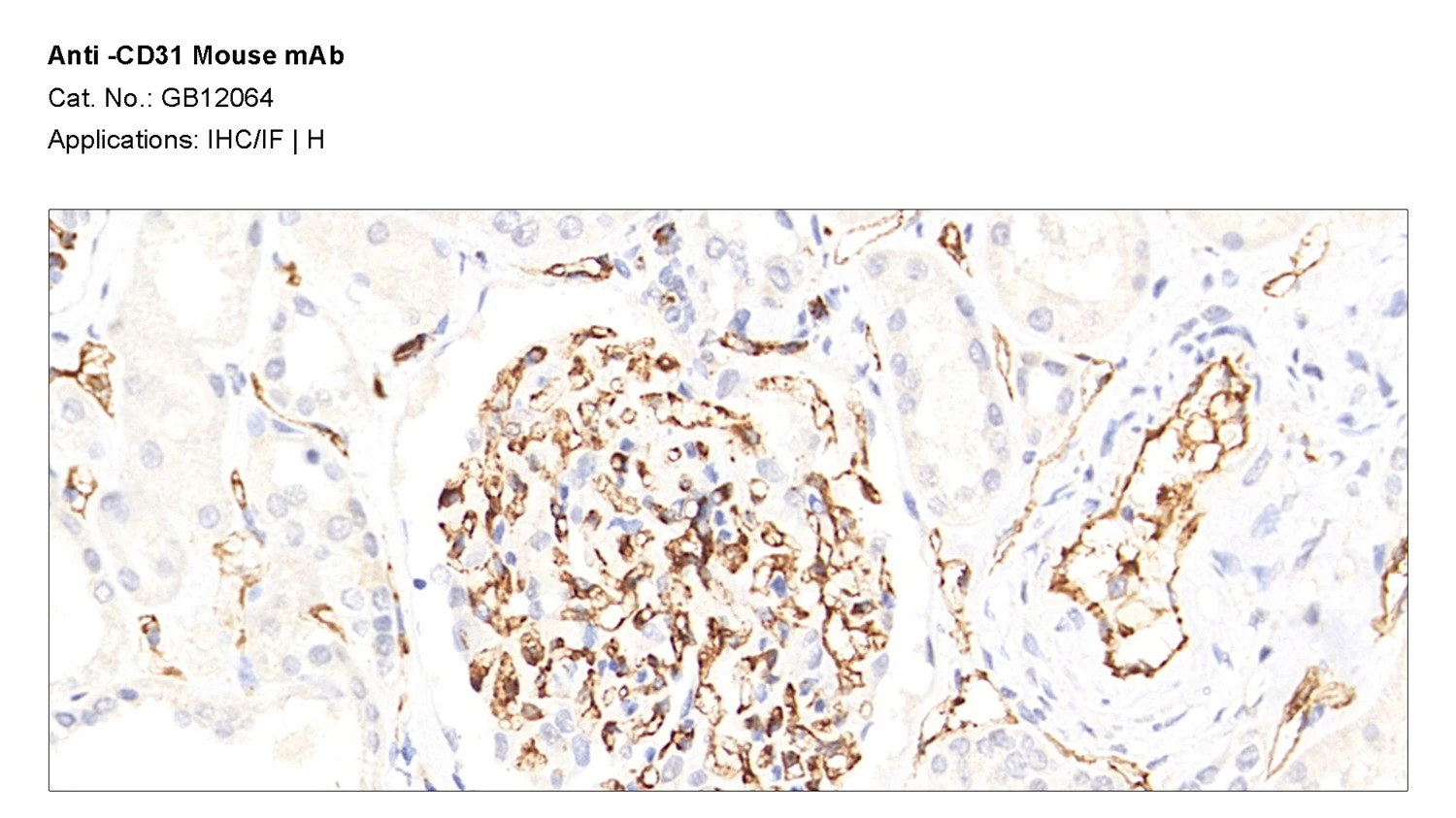
1. CD31
Cat. No.: GB12064
CD31 antigen, also known as platelet endothelial cell adhesion molecule (PECAM-1), is a vascular endothelial cell marker associated with the tumor microenvironment.
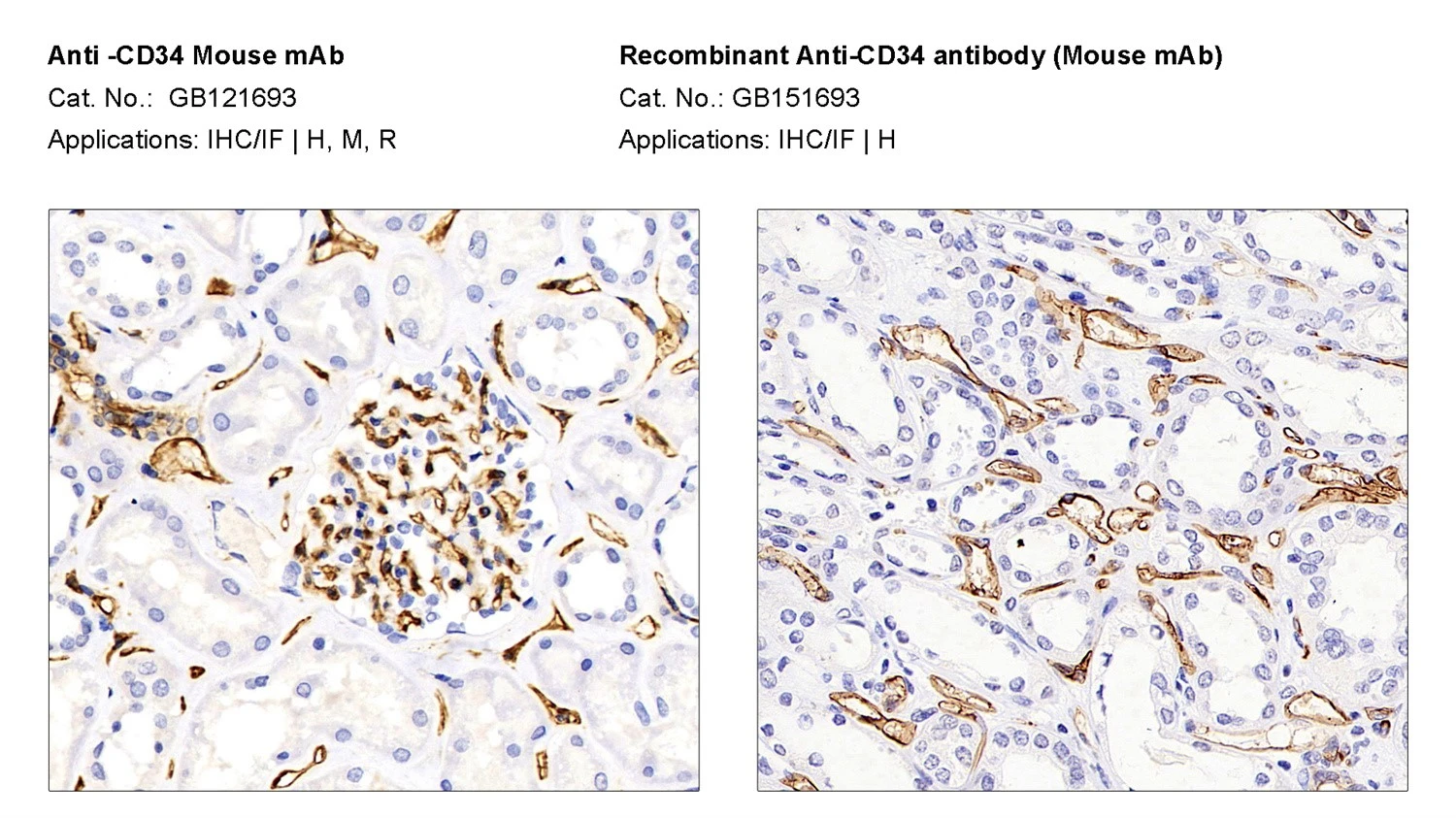
2. CD34
Cat. No.: GB151693 / GB121693
CD34 (also known as myeloid progenitor cell antigen) is a highly glycosylated class I transmembrane glycoprotein. Due to the presence of variable splicing, there are two forms of CD34 protein. It has been found that in glomerulonephritis, expression of CD34 occurs in glomerular mesangial cells.
▇ E. Epithelial Cell
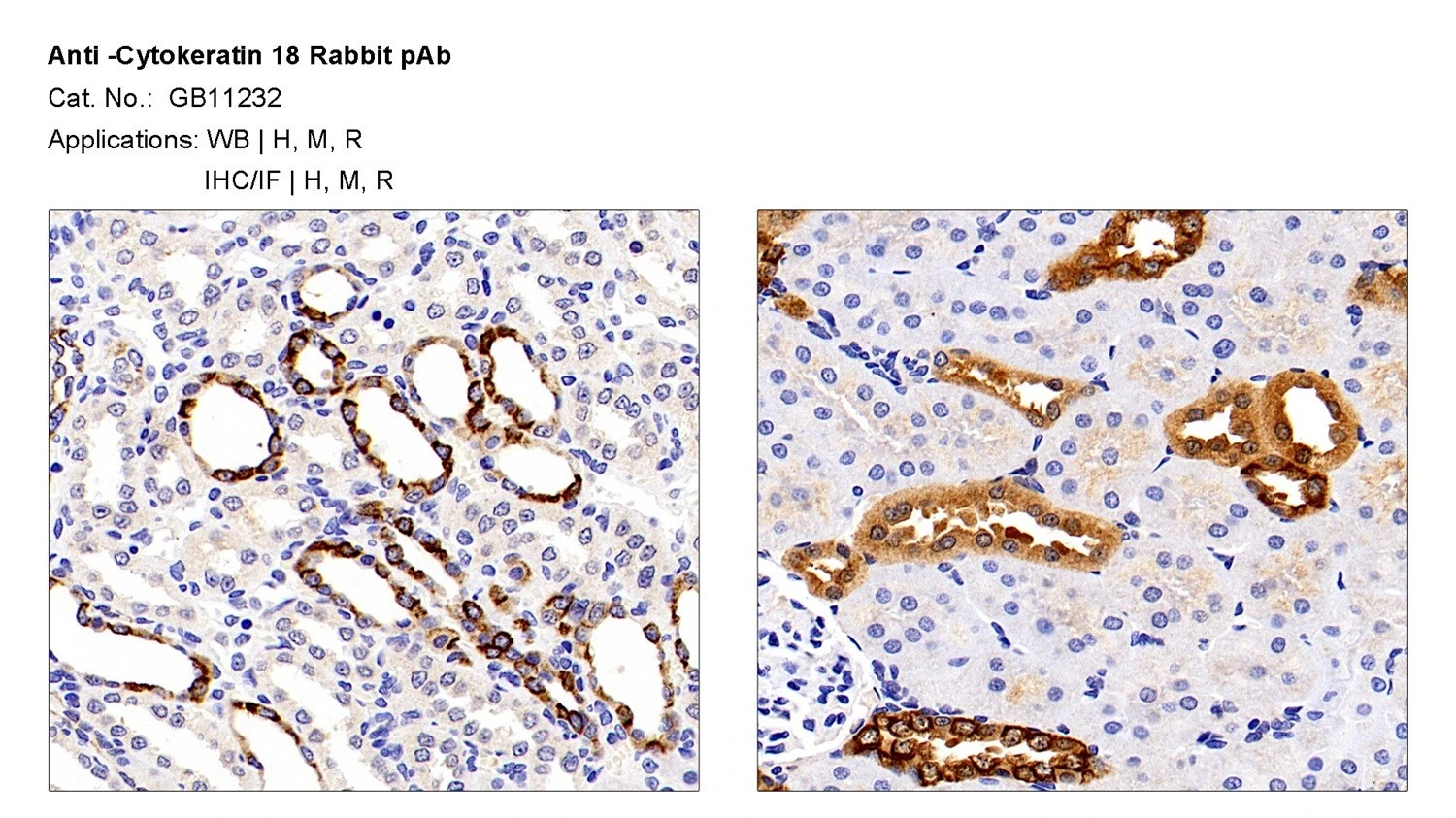
1. CK18
Cat. No.: GB11232
CK18 belongs to the cytokeratin family. In normal tissues, CK18 is mainly expressed in epithelial cells, such as lung, liver, kidney, pancreas and other tissues. In tumor tissues, the expression of CK18 increases significantly due to the abnormal proliferation and differentiation of epithelial cells.
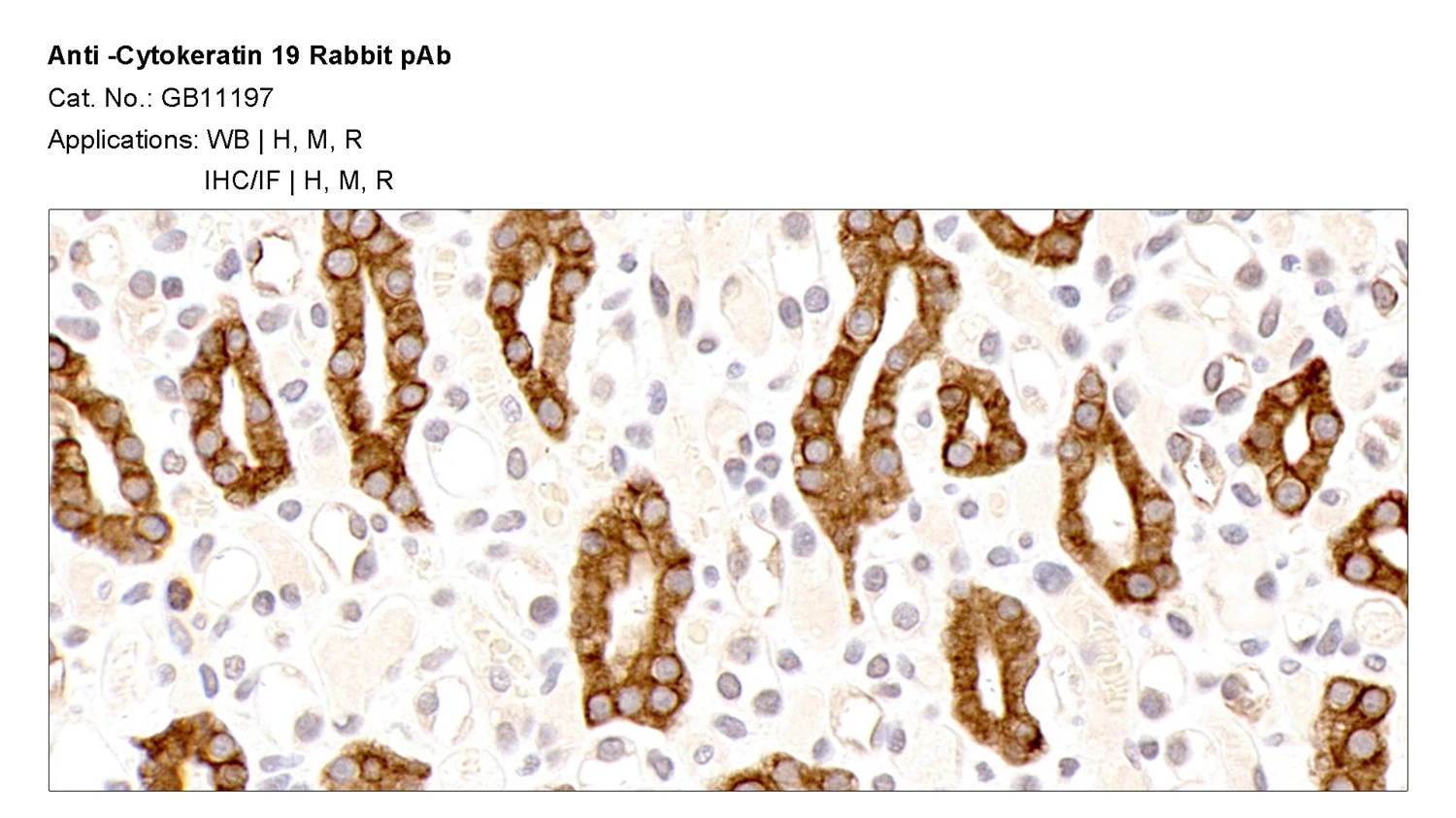
2. CK19
Cat. No.: GB11197
CK19, which primarily labels various monolayer epithelial cells, including glandular epithelium, is also expressed in ductal epithelial tissues, such as the bile ducts, pancreas, renal collecting ducts, and gastroduodenal mucosa.
▇ F. Proximal Tubule
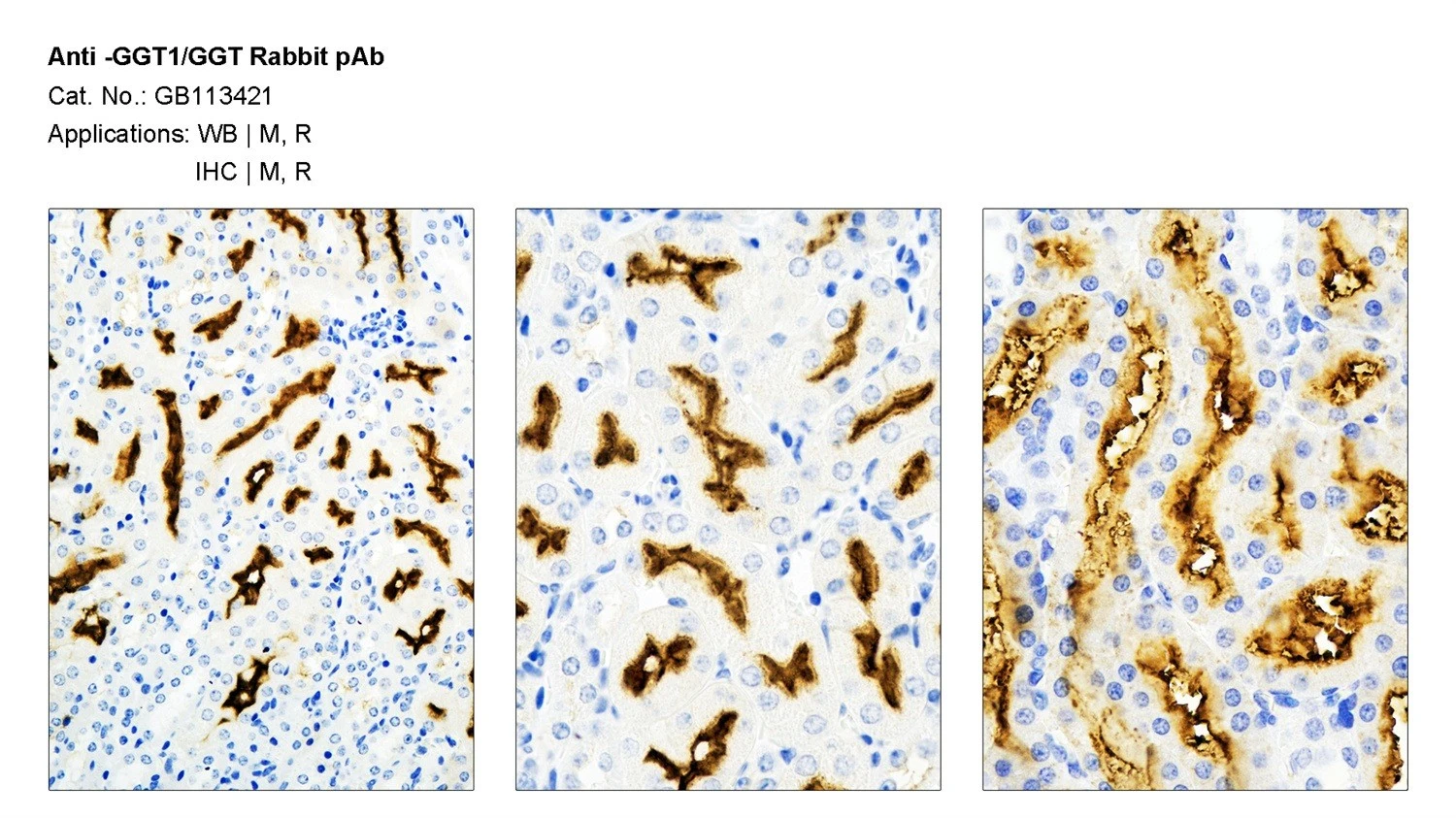
1. GGT1
Cat. No.: GB113421
GGT is the enzyme glutamyl transpeptidase, which is most abundant in the kidney, followed by the pancreas and liver.
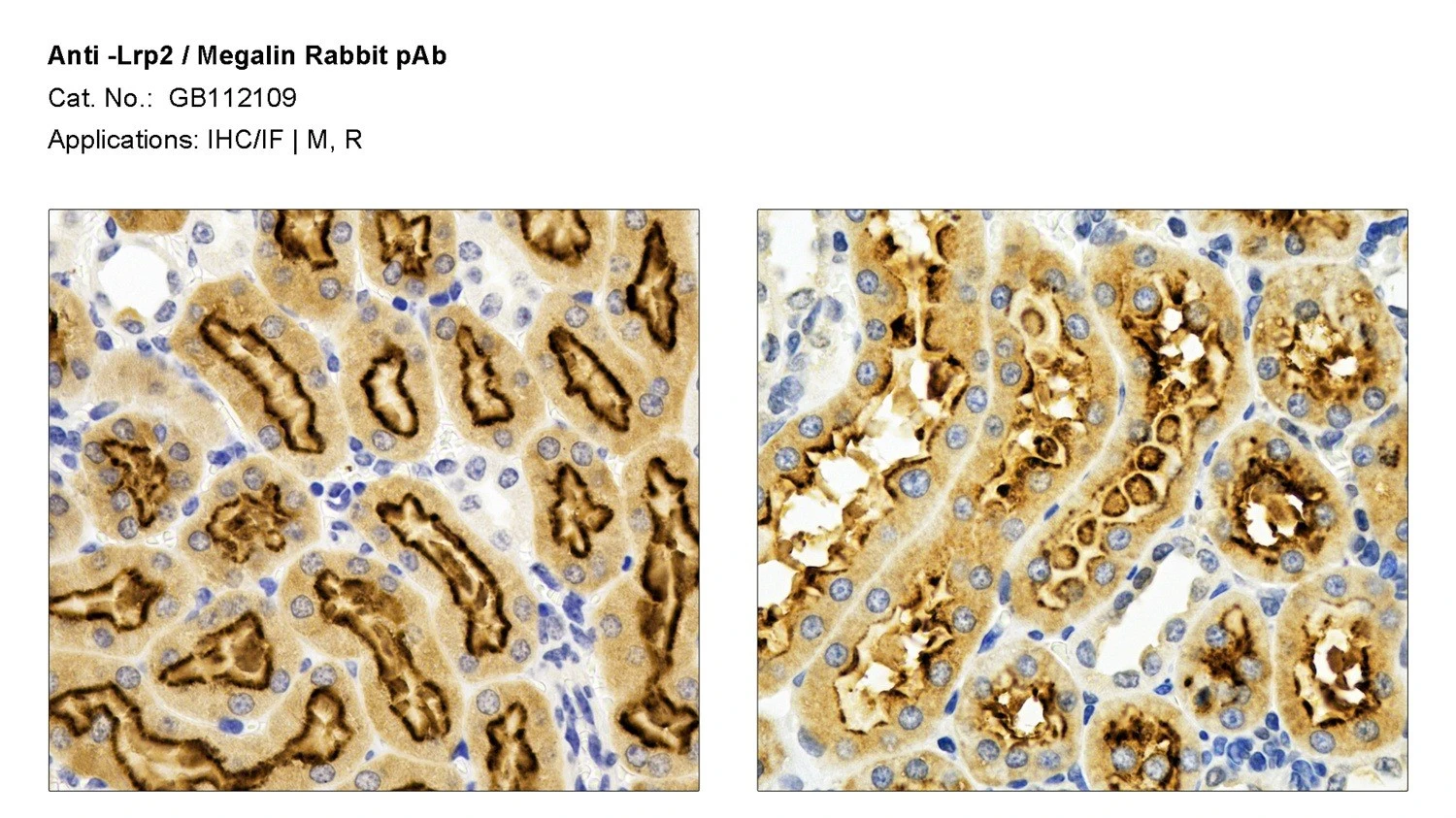
2. Lrp2
Cat. No.: GB112109
Low-density lipoprotein receptor-associated protein 2 (Lrp2), a cell-surface protein that is an endocytotic receptor and plays a role in endocytosis, has previously been linked to kidney and brain disease.
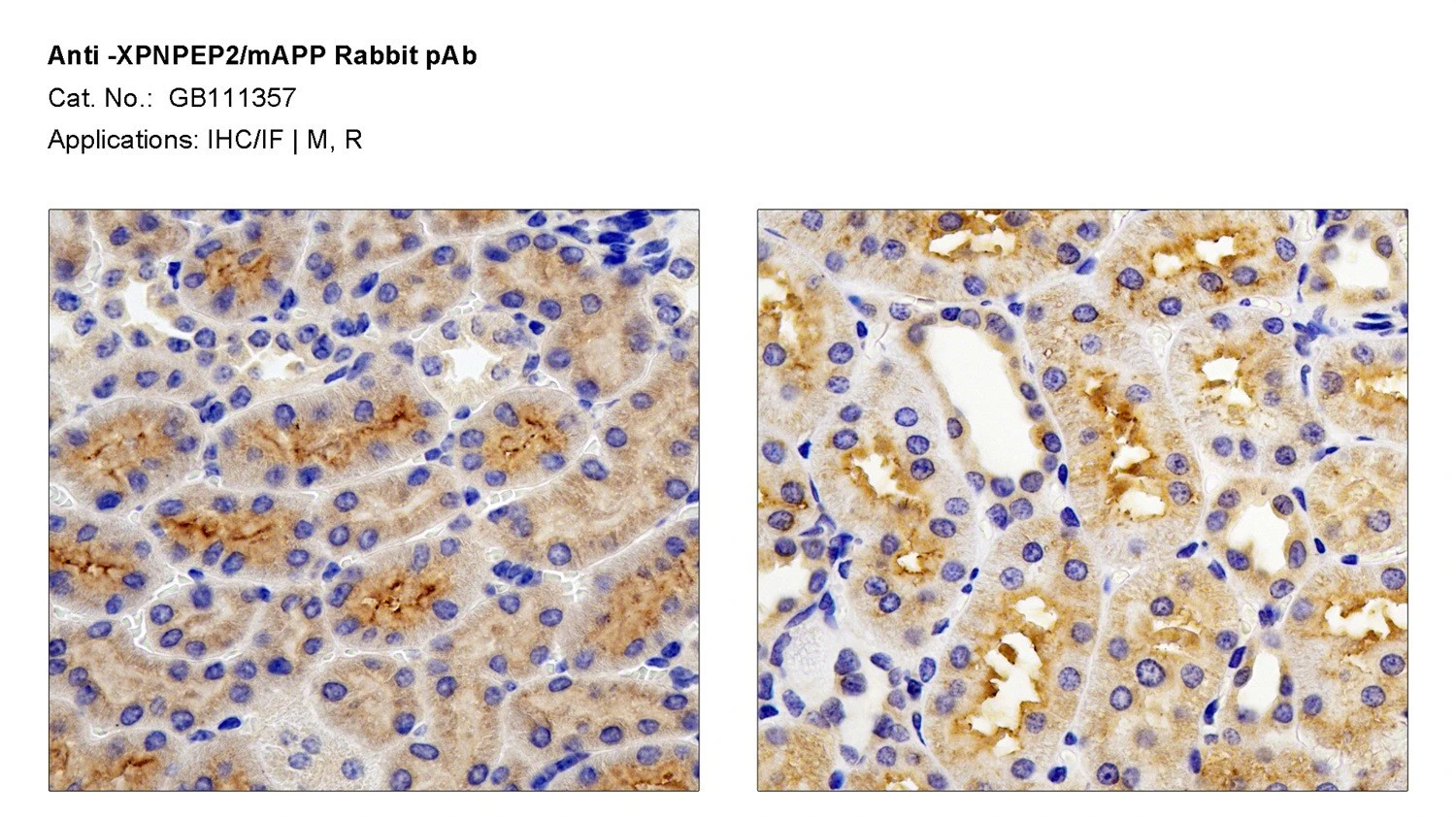
3. XPNPEP2
Cat. No.: GB111357
Aminopeptidase P (XPNPEP2 / mAPP), found mainly in the kidney and intestine, catalyzes amino acid excision at the N-terminal end of the peptide chain, and is particularly highly specific for substrates containing tyrosine and phenylalanine. Aminopeptidase P plays an important role in the regulation of blood pressure and kidney function.
▇ G. Distal Tubule
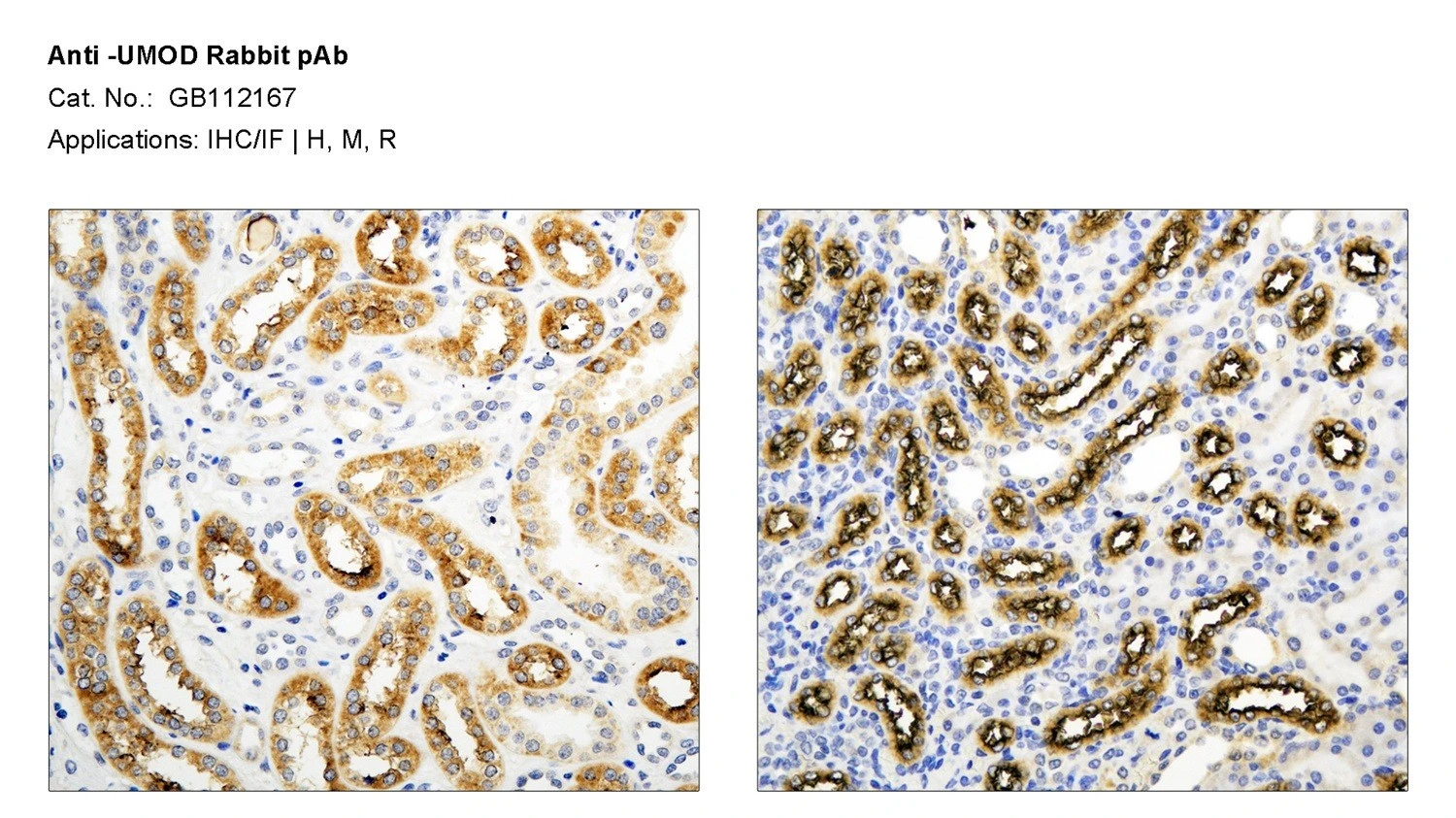
1. UMOD
Cat. No.: GB112167
The UMOD gene encodes the uric acid transporter protein, which plays an important function in the kidney tubules, helping to regulate uric acid and calcium concentrations in the urine.
2. Calbindin
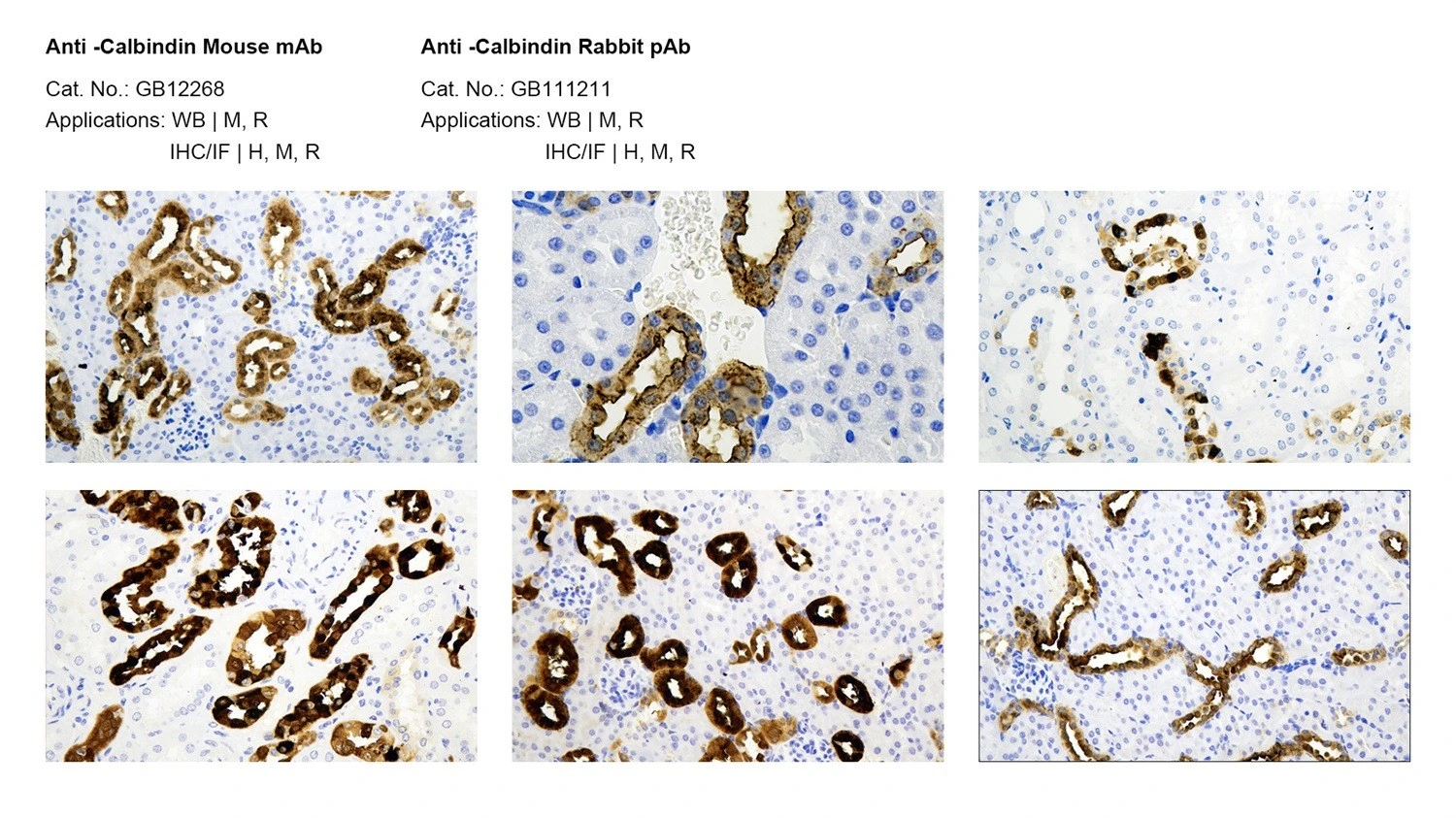
Cat. No.: GB12268 / GB111211
Within the distal tubule and connecting tubules, 10-15% of total Ca2+ reabsorption occurs. Reabsorption in this part of the renal unit occurs in a transcellular manner, with Ca2+ entering the tubular cell through the TRPV5 epithelial Ca2+ channel, binding to the intracellular transporter protein Calbindin-D28k, and passing through the plasma membrane Ca2+ pump (PMCA) or the Na-Ca exchange pump.
3. SLC12A1
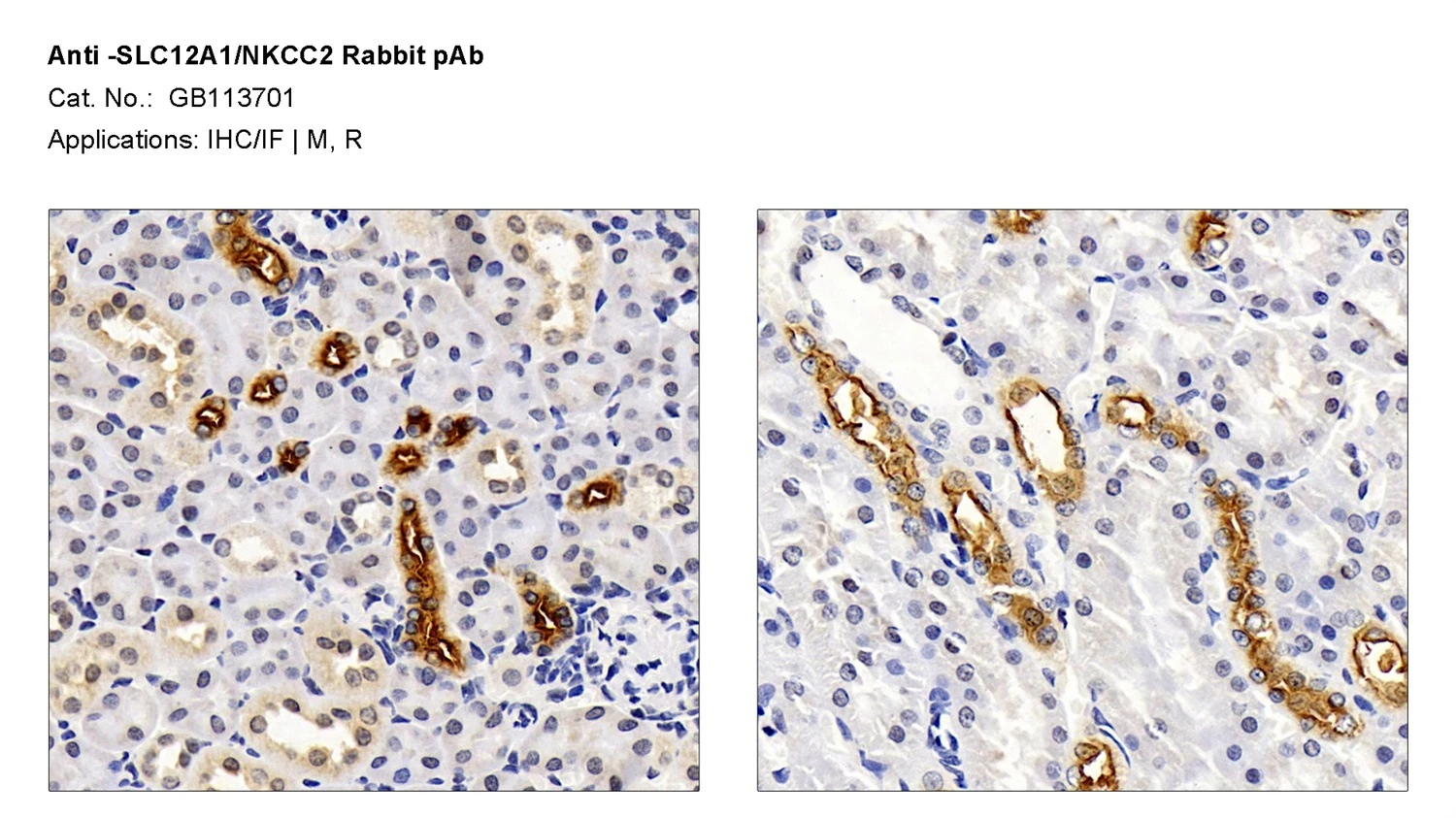
Cat. No.: GB113701
SLC12A1 is a renal sodium, potassium, and chloride co-transporter protein that mediates trans-epithelial NaCl reabsorption in the thick segment of the ascending branch of medullary collaterals and plays an important role in urine concentration and volume regulation.
- Bladder-related Antibodies -
▇ A. Umbrella Cell
1. UPK1A
Cat. No.: GB113288
Uroplakin-1a (UPK1A) belongs to the family of tetratransmembrane proteins (TM4SF).UPK1A plays an important physiological role in normal bladder epithelium.