The immune system is an important system that carries out the immune response and immune function of the body. It consists of immune organs, immune cells and immune molecules.
T lymphocytes, abbreviated as T cells, are lymphoid stem cells derived from bone marrow, which are differentiated and matured in the thymus, and then distributed to immune organs and tissues throughout the body to perform immune functions through lymphatic and blood circulation.
In this issue, we will introduce antibodies related to T-cell markers to help scientific research!
T-cell Marker
1. T Cell Markers
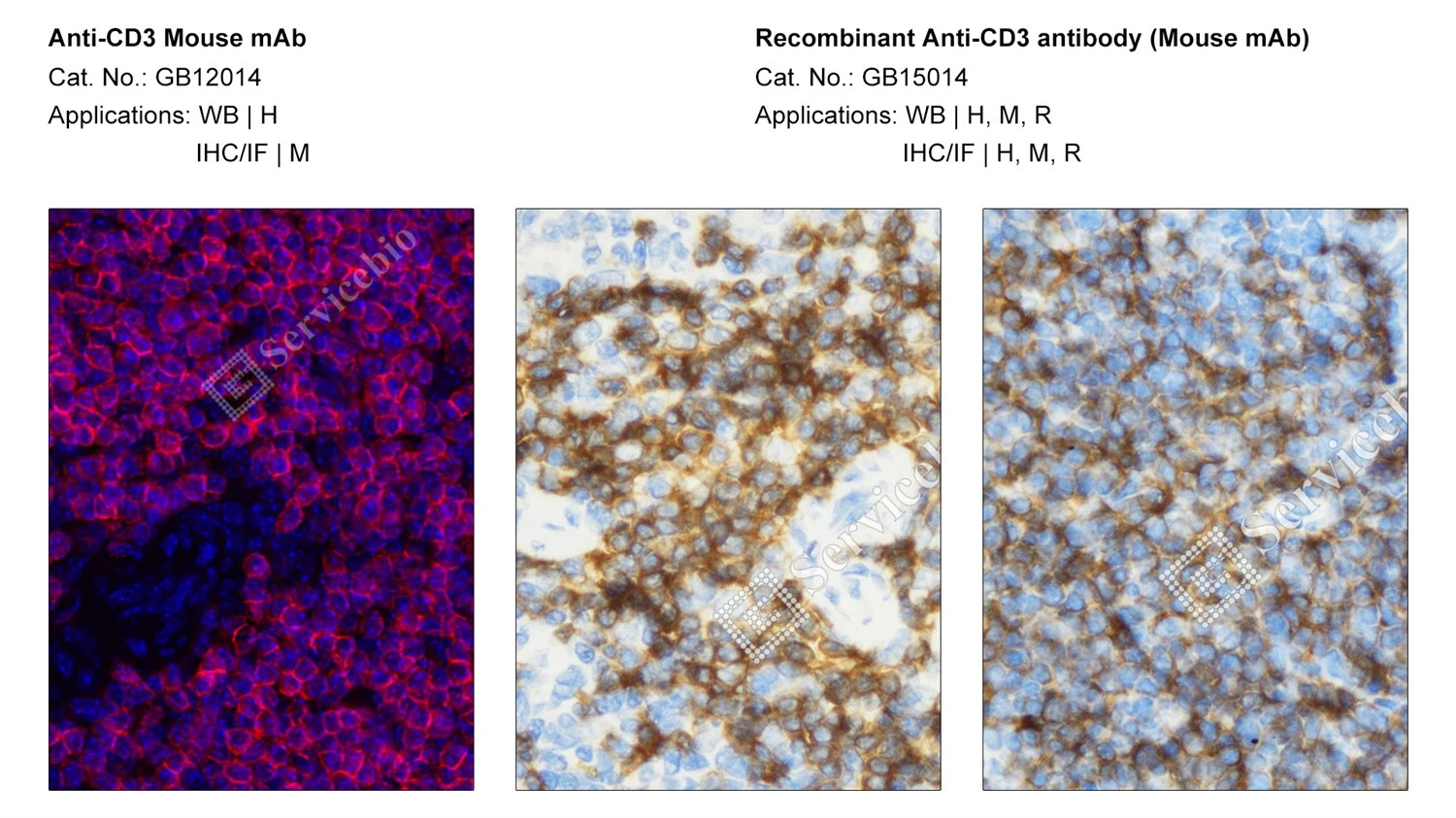
CD3: GB12014, GB15014
2. Helper T Cells
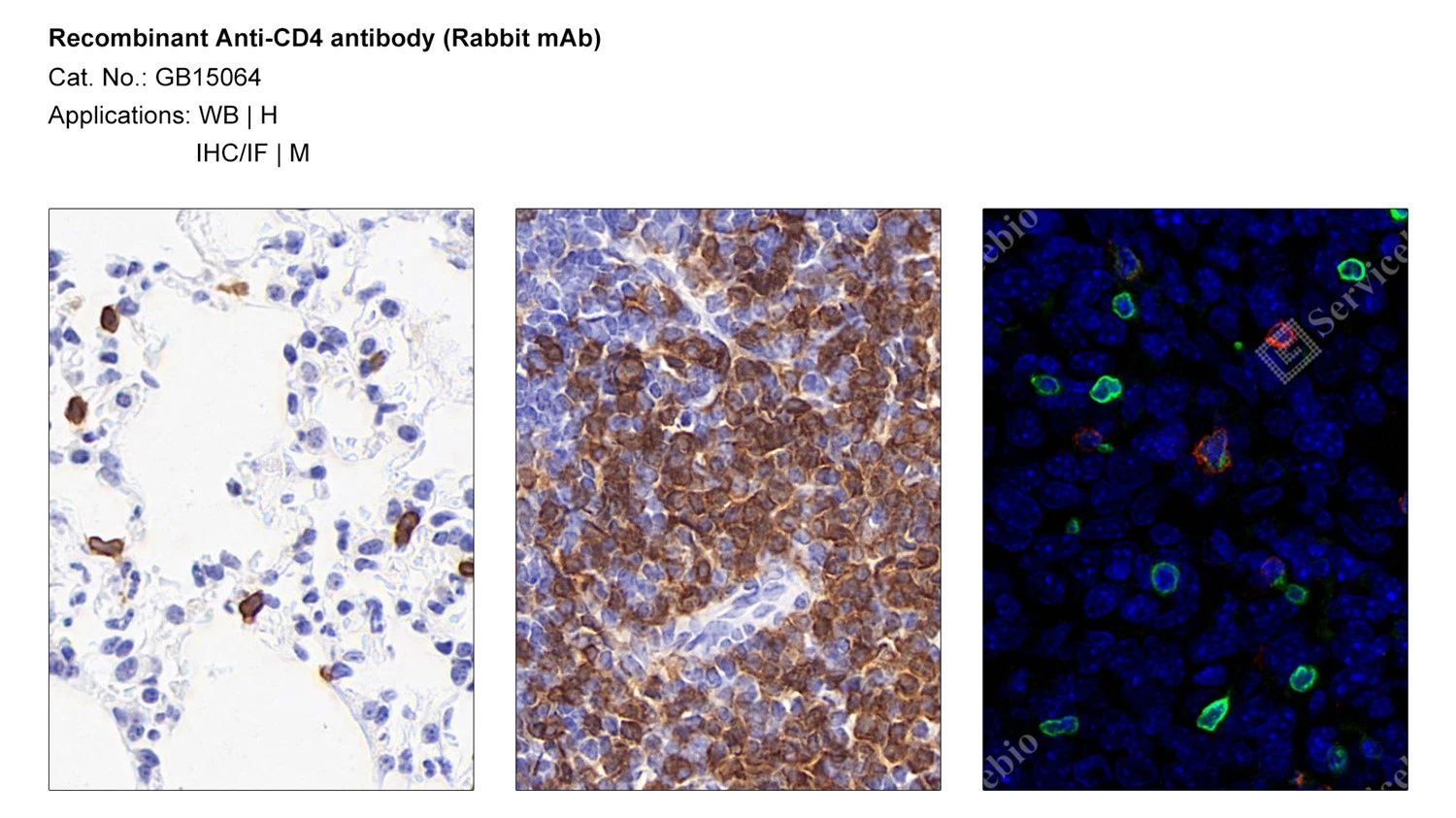
CD4: GB15064
Th1 Cells:
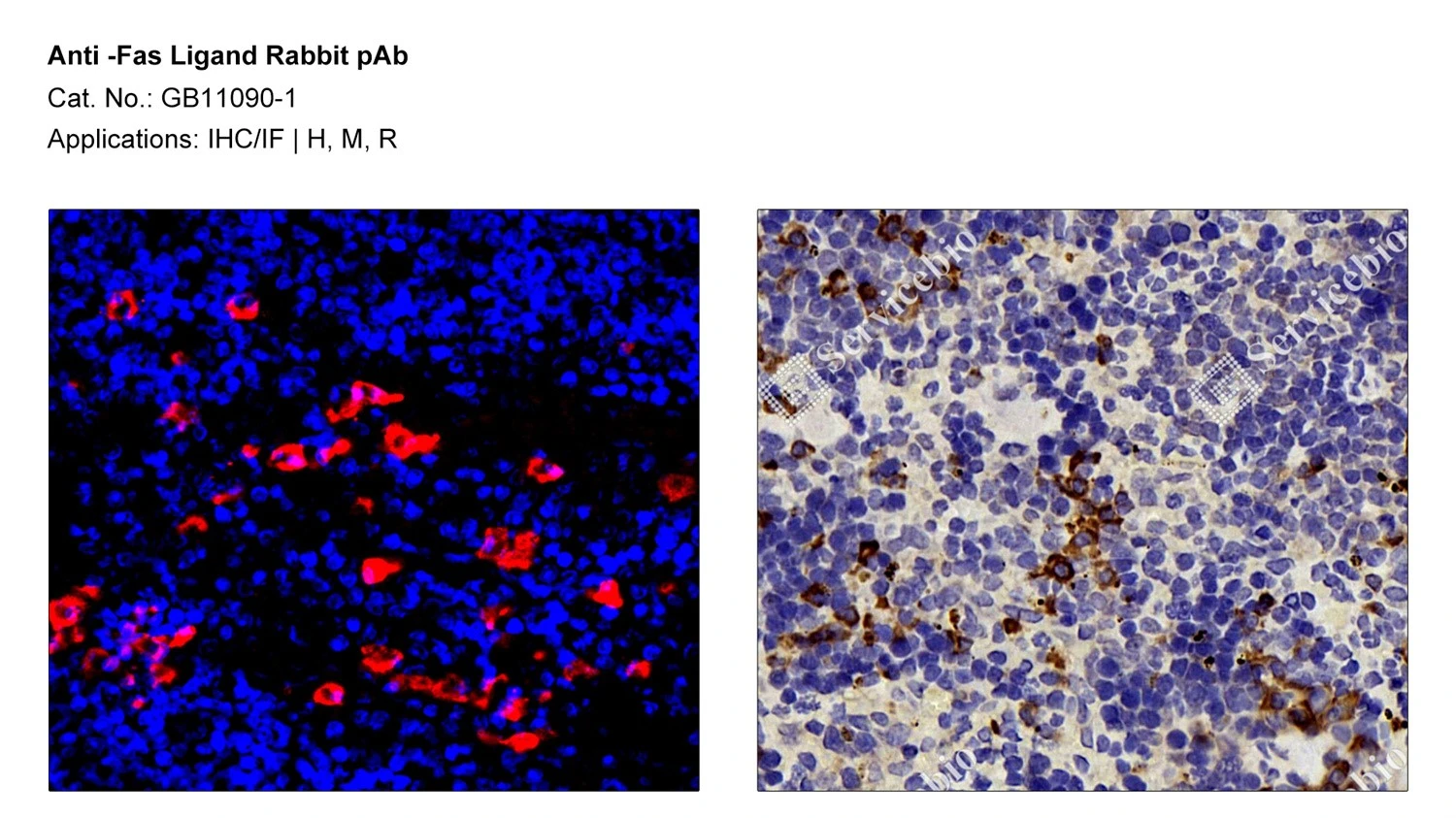
FasL: GB11090-1;
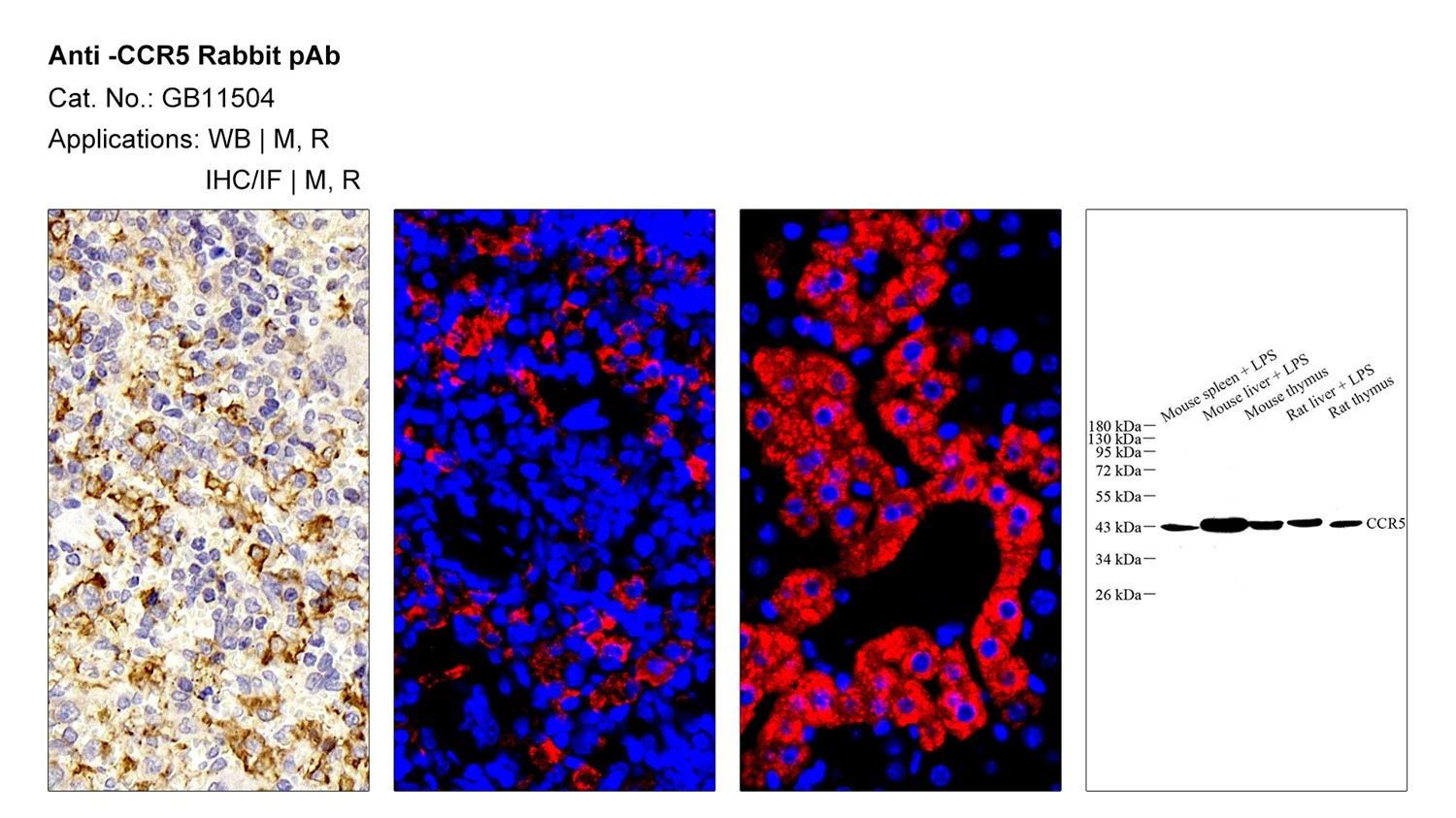
CCR5: GB11504
Th2 Cells:
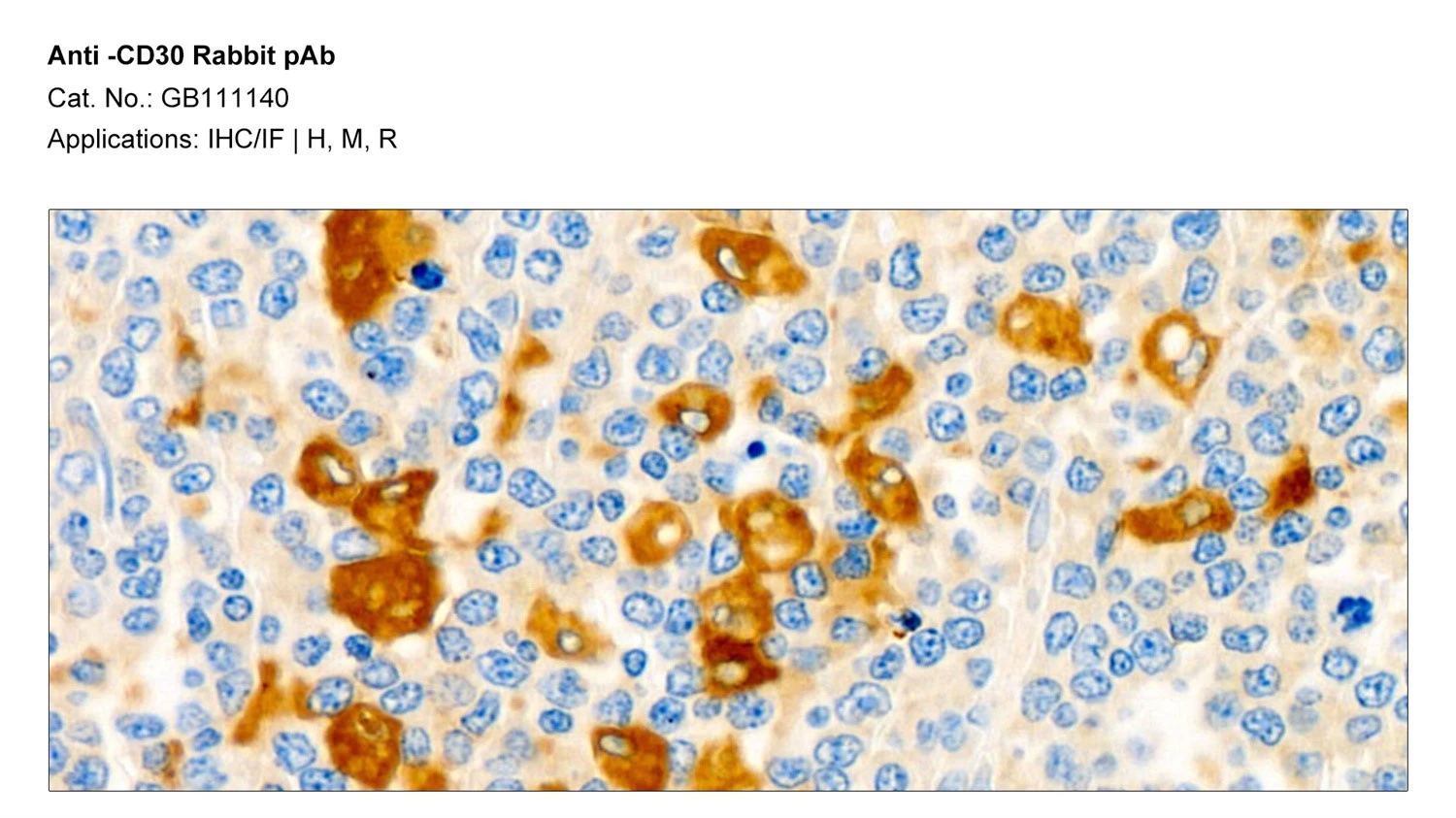
cd30: gb111140.
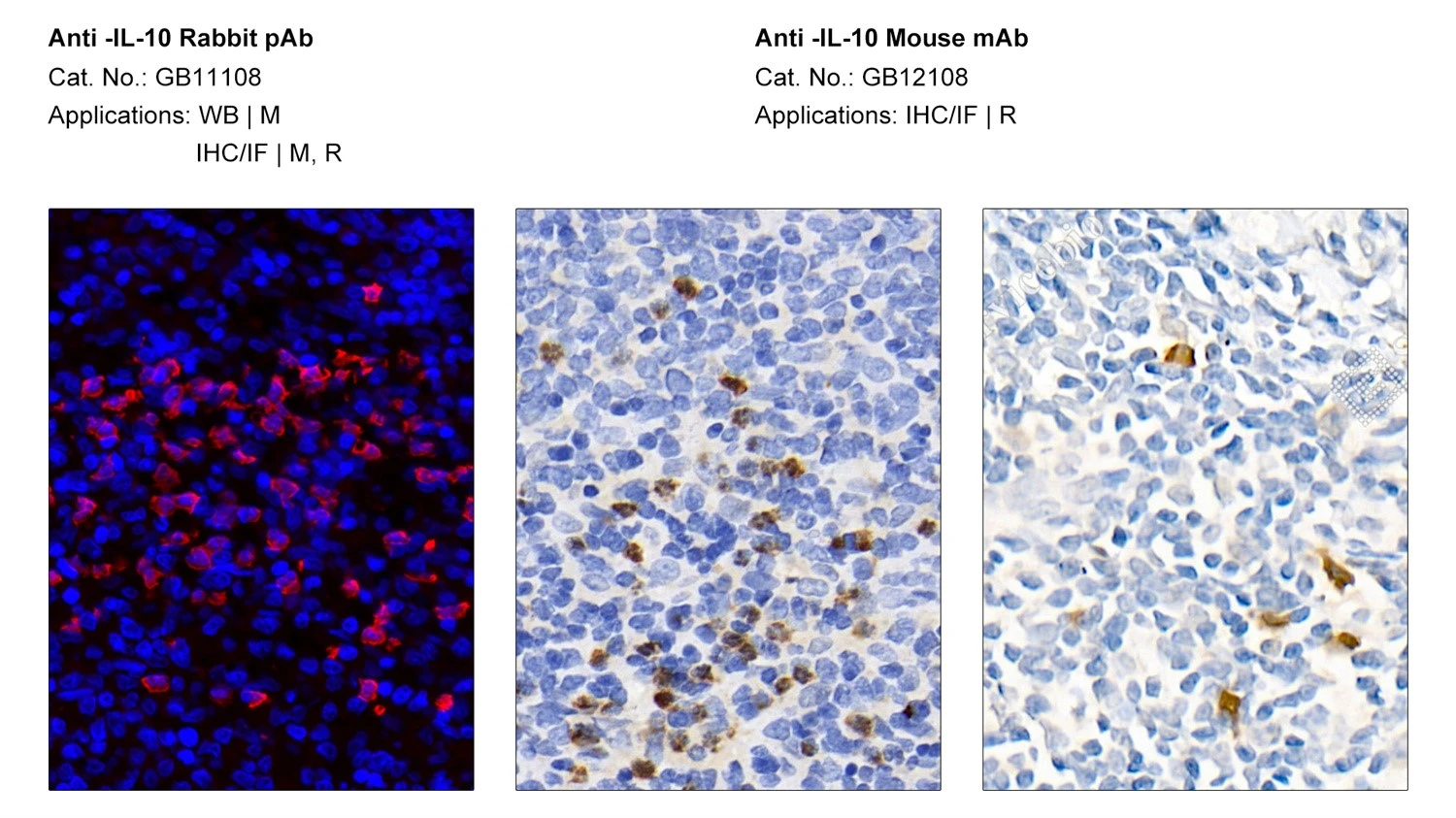
IL-10: GB11108, GB12108
Th17 Cells:
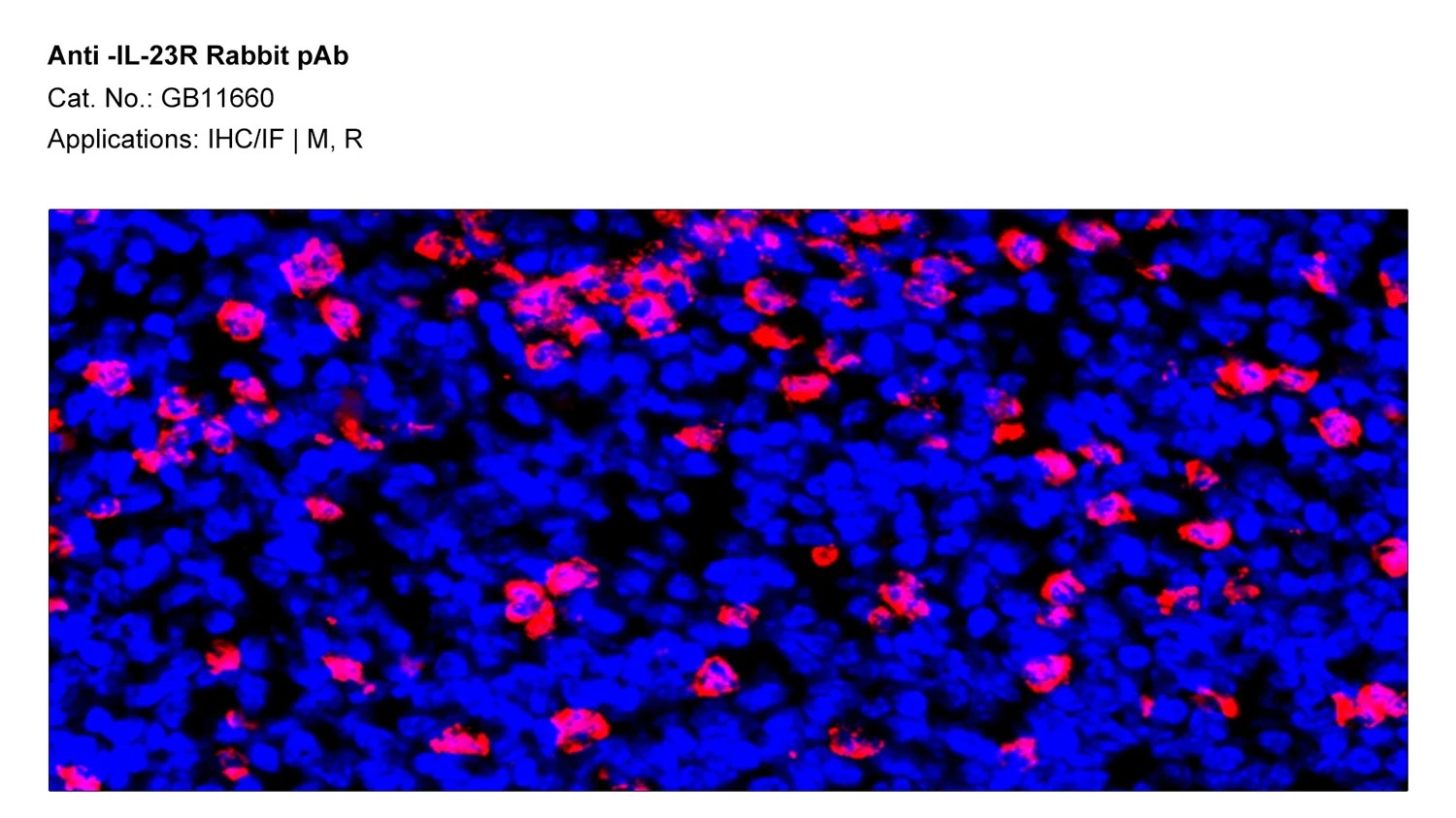
IL-23R: GB11660;
IL-22: GB11259;
IL-17: GB11110-1
3. Cytotoxic T cells
CD8: GB12068, GB15068
Granzyme B: GB15092
4. Regulatory T cells
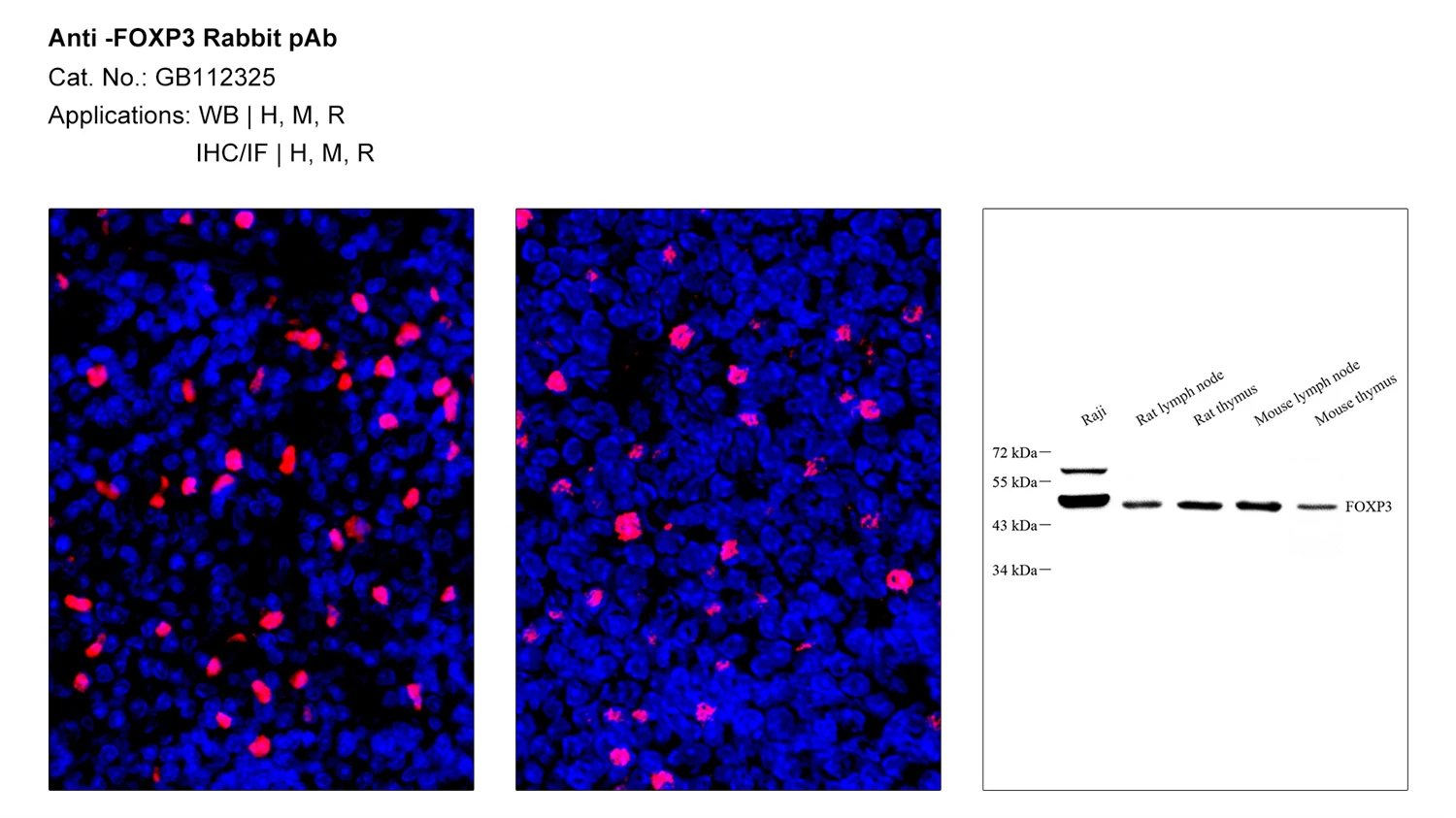
Foxp3: GB112325
Note: Servicebio's antibodies may only be used in scientific research.
▇ 1. T Cell Markers
1) CD3
Cat. No.: GB12014, GB15014
CD3 cells, or mature T-lymphocytes, indicate the level of total T-cells in the body and reflect the state of immune function.
▇ 2. Helper T Cells
1) CD4
Cat. No.: GB15064
CD4 cells, also known as inducer/helper T cells, are the most important hub cells of the human immune system.
 ▍ Th1 Cells
1) FasL
Cat. No.: GB11090-1
FasL is a cytokine capable of binding to the death receptor TNFRSF6/FAS and mediates its apoptosis due to cytotoxicity in T-cell development.
 2) CCR5
Cat. No.: GB11504
Trend Factor Receptor 5 (CCR5), also known as CD195, is a cell surface protein with functions in regulating migration, proliferation and immunity of T cells and monocyte/macrophage cell lineages, and is mainly expressed on the cell membranes of memory quiescent T lymphocytes, monocytes, and immature dendritic cells.
 ▍ Th2 Cells
1) CD30
Cat. No.: GB111140
Among T cells, CD30 is predominantly expressed in Th2-like cytokine-secreting T cells and CD4+/CD8+ thymocytes coexpressing CD45RO with the IL-4 receptor.
2) IL-10
Cat. No.: GB11108, GB12108
Interleukin-10 (IL-10), also known as human cytokine synthesis inhibitory factor (CSIF), is secreted primarily by antigen-presenting cells such as activated T cells, monocytes, B cells, and macrophages.
 ▍ Th17 Cells
1) IL-23R
Cat. No.: GB11660
IL-23 is a heterodimeric hematopoietic cytokine composed of two subunits, p40 and p19, which are linked by a disulfide bond. Binding of IL-23 to IL-23R regulates the release of downstream pro-inflammatory cytokines, and disruption of this signaling pathway triggers autoimmune disorders such as psoriasis.
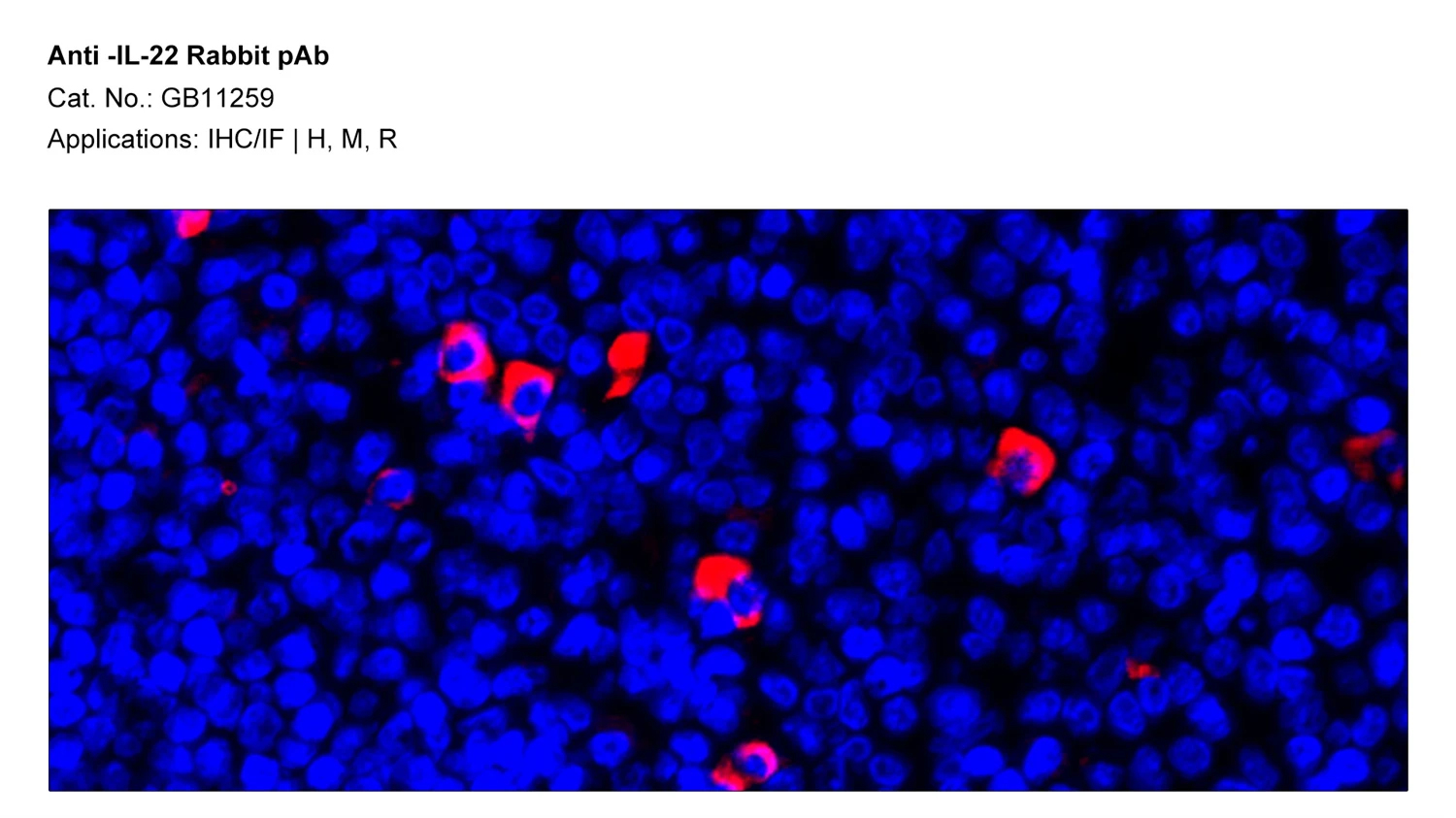
 2) IL-22
Cat. No.: GB11259
Interleukin 22 (IL-22) is a member of the IL-10 cytokine superfamily and, unlike most interleukins, does not directly regulate immune cell function, but rather acts on cells at the tissue barrier to induce their production of antimicrobial proteins and specific chemokines, which are important proteins for anti-infective immunity.
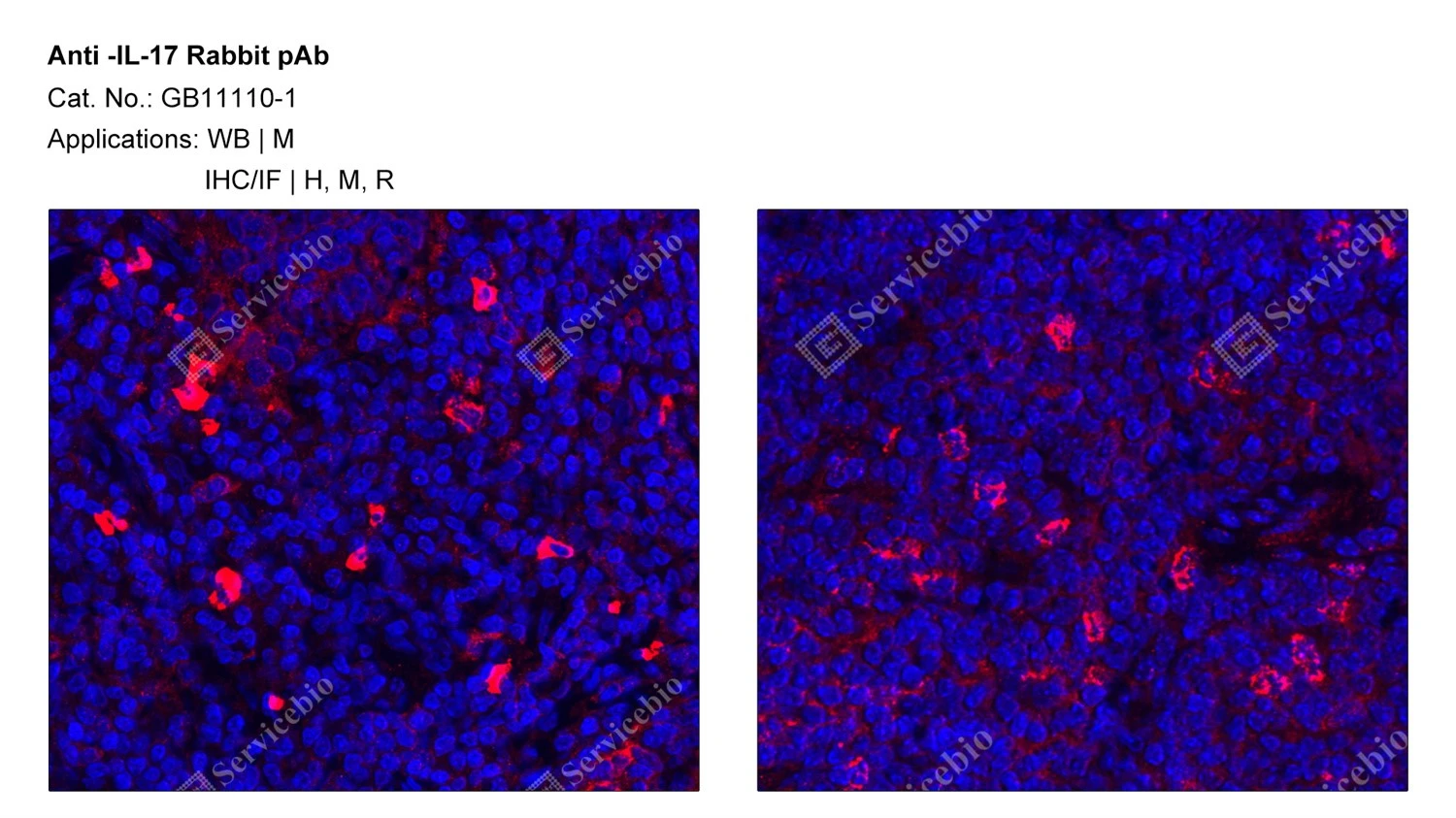
3) IL-17
Cat. No.: GB11110-1
The IL-17 cytokine family consists of six members, namely IL-17A, IL17B, IL-17C, IL-17D, IL17E, and IL-17F. IL-17A plays an important role in psoriasis.
 ▇ 3. Cytotoxic T cells
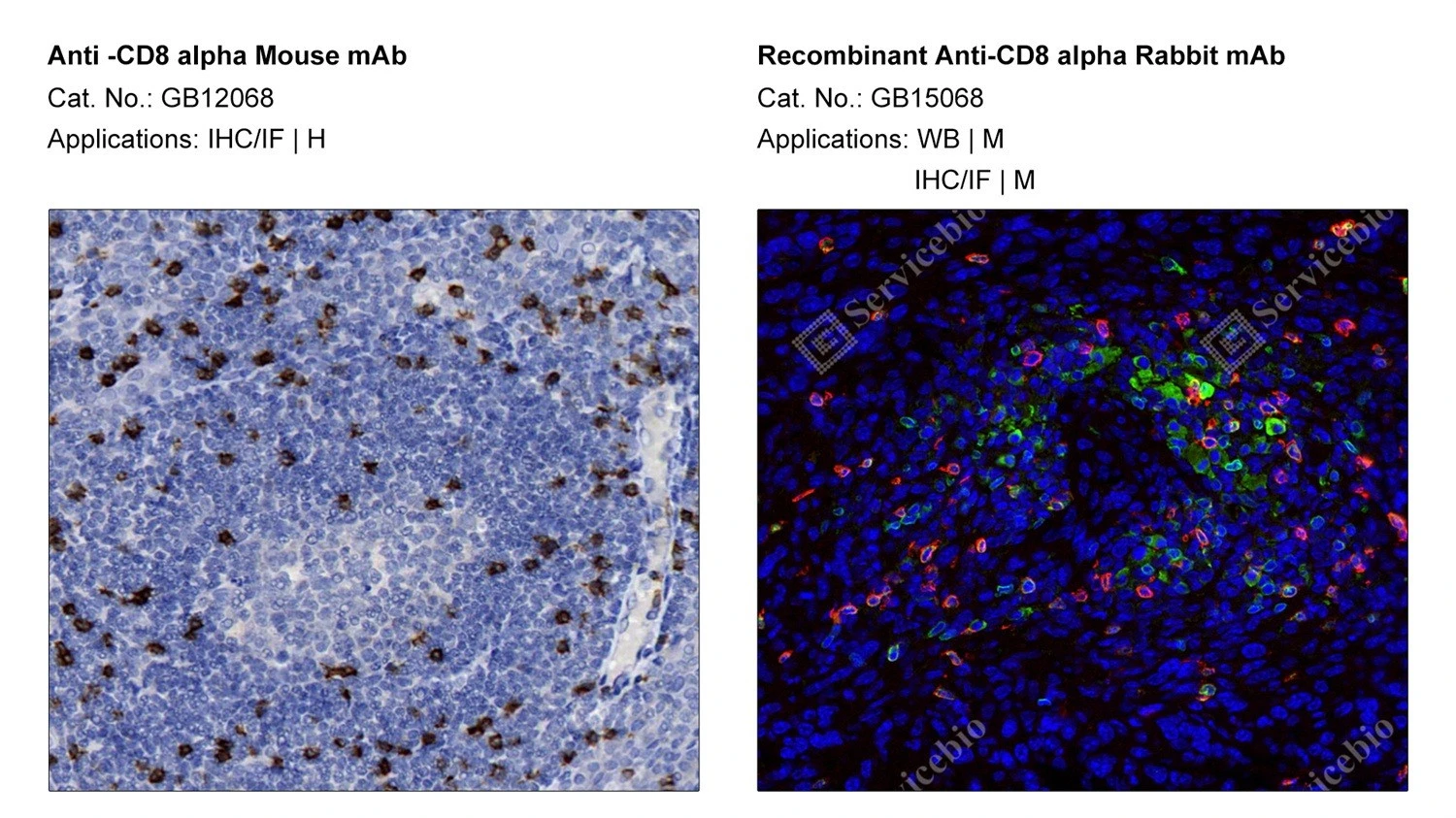
1) CD8
Cat. No.: GB12068, GB15068
CD8 cells, suppressor/cytotoxic T-lymphocytes, can directly recognize and kill disease-causing cells, while inhibiting the over-activation of CD4. Therefore, the CD4/CD8 ratio is a sensitive indicator for clinical diagnosis of immune function, and if the ratio is abnormal, it can be quickly determined that the body's immune function is in disarray.
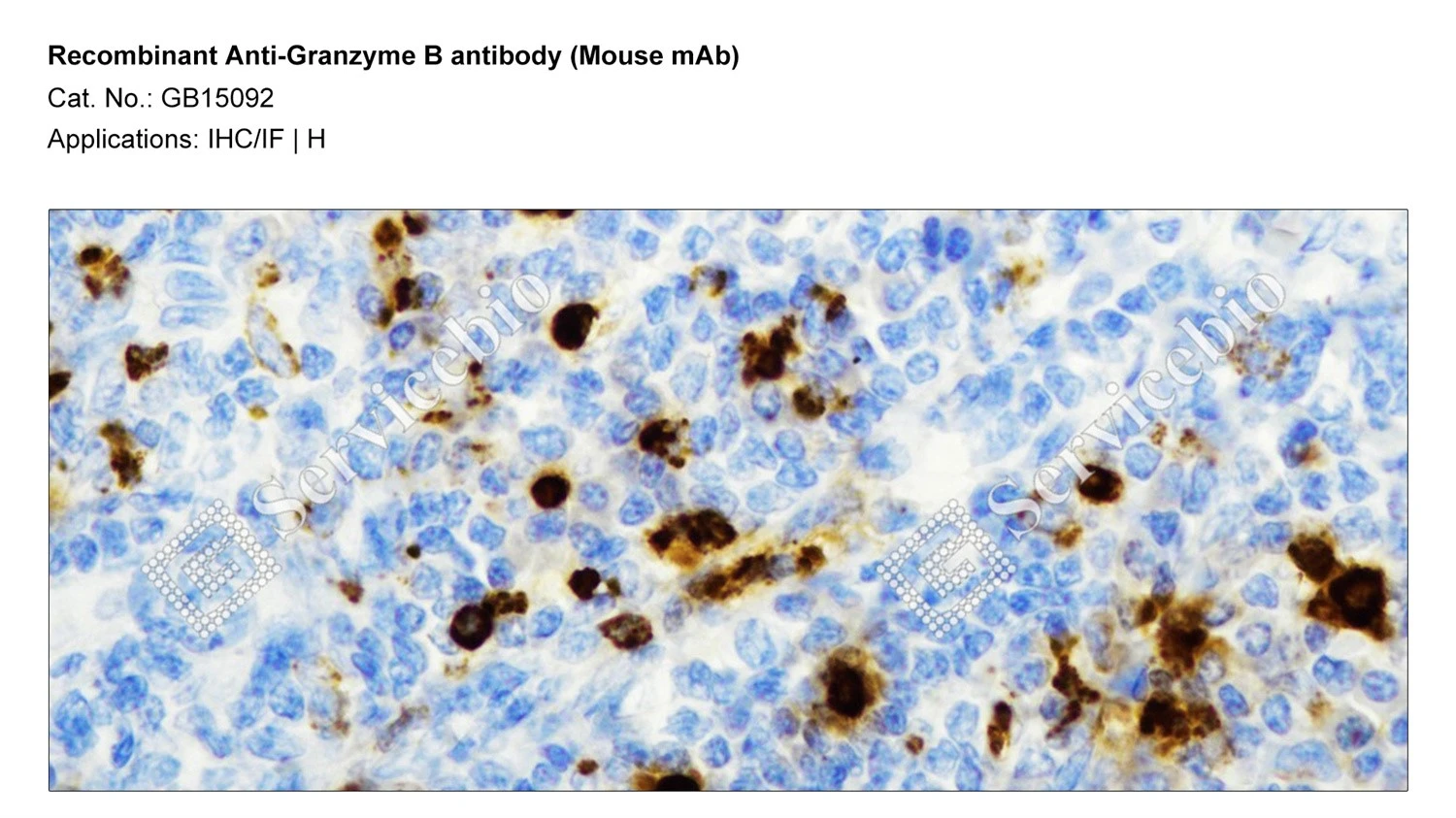
 2) Granzyme B
Cat. No.: GB15092
Granzyme B is a neutral serine protease found in specific cytotoxic T cells and natural killer cells.
▇ 4. Regulatory T Cells
1) Foxp3
Cat. No.: GB112325
Foxp3 is regarded as a signature molecule of regulatory cells (Treg), which plays an important role in Treg differentiation and development; and can directly affect tumor development, proliferation, apoptosis and invasive migration; as well as participate in the remodeling of the tumor immune microenvironment, tumor immune escape, and immunosuppressive state.