The digestive system consists of the alimentary canal and the digestive glands, the alimentary canal consists of the oral cavity, pharynx, esophagus, stomach, intestines and anus, and the digestive glands consist of the salivary glands, liver, pancreas and the mucosal glands of the alimentary canal. The digestive system has the functions of digestion, absorption, excretion, detoxification and endocrinology.
In this issue, we will introduce the antibody indicators related to the digestive system to help scientific research!
Digestive System Related Antibody Indicators
1. Fibrosis-related proteins
Collagen I / Collagen III / α-SMA / Fibronectin
2. Tight junctions
ZO-1 / Occludin / Claudin 1 / E-Cadherin
3. Intestinal focus cell markers
c-kit / Mast cell tryptase / MUC2 / Lysozyme
4. Digestive tract tumor-related proteins
Liver cancer: AFP / ARG1
Gastrointestinal tumor: CDX2
Gastrointestinal mesenchymal tumor: c-kit
Gastrointestinal epithelial tumor: EpCAM
Note: Servicebio's antibodies may only be used in scientific research.
▇ A. Fibrosis-Related Protein
1. Collagen I
Cat. No.: GB11022 / GB11022-3
Collagen I, as a fibrous collagen, is one of the most abundant and important proteins in the human body, and is particularly important for skin, bone and connective tissues. Collagen I expression level has also been associated with the formation of tumors such as gastric cancer.
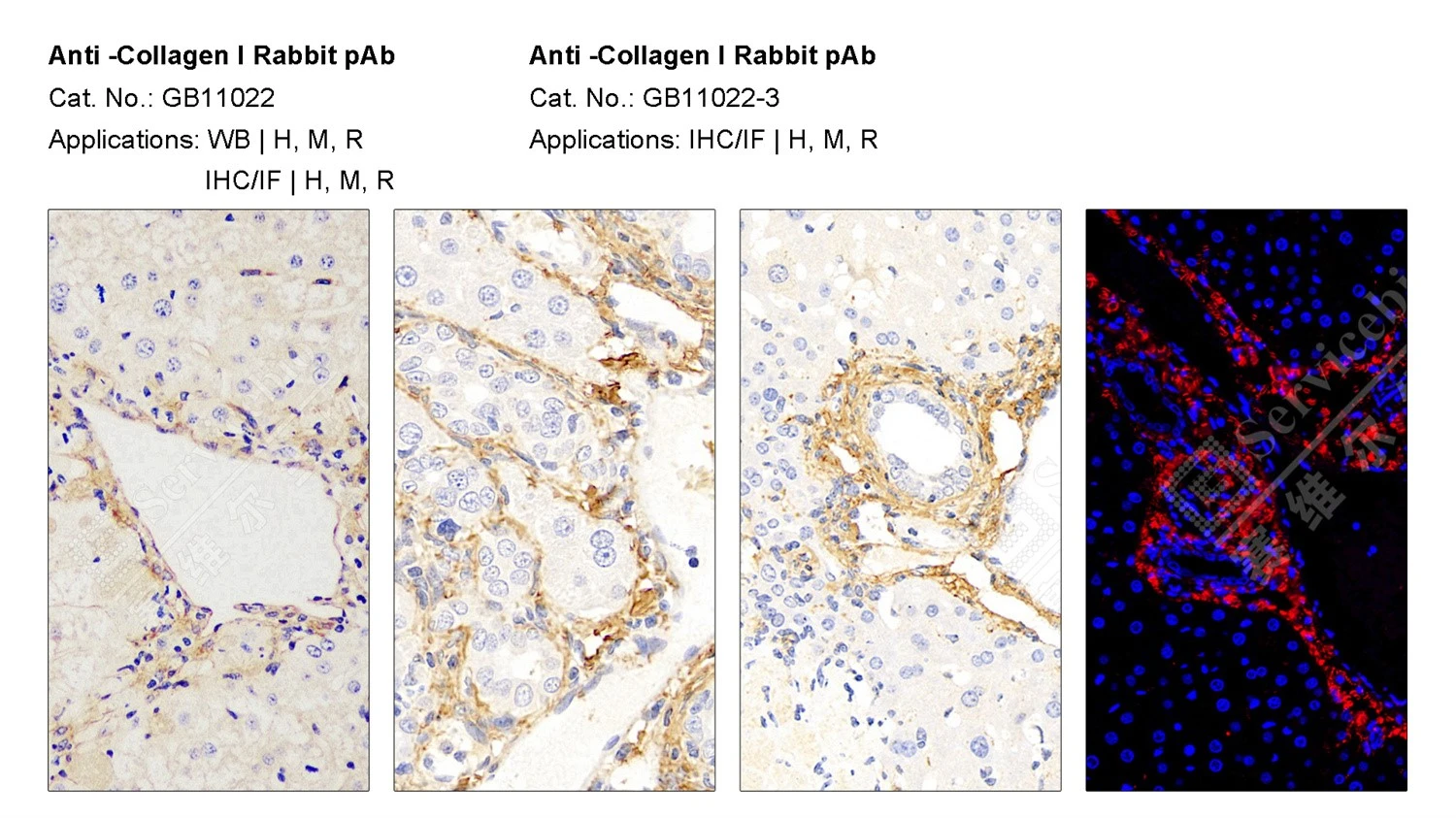
Figure 1 Sample is a mouse cirrhosis model
Figure 2 Sample is a rat fibrotic liver model
Figure 3 Sample is a mouse fibrotic liver model
2. Collagen III
Cat. No.: GB111629
Collagen III consists of 3 α1 chains. It is an extracellular matrix protein that is synthesized by cells as precollagen. It is an extracellular matrix protein, which is synthesized by cells as pre-collagen. Collagen III is a major structural component of hollow organs such as large blood vessels, the uterus and the intestines.
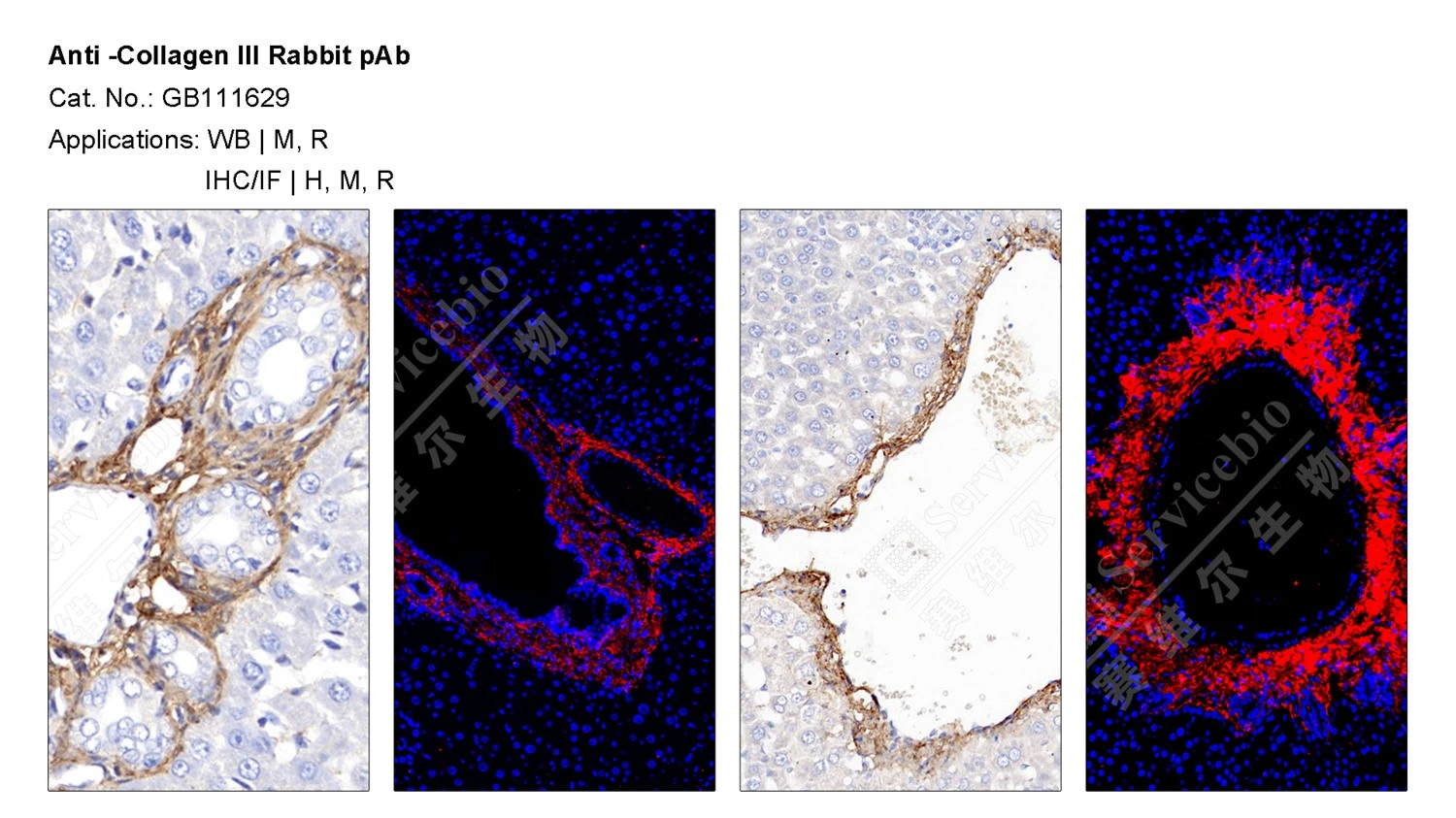
Figure 1 Sample is a rat fibrotic liver model
Figure 2 Sample is a mouse fibrotic liver model
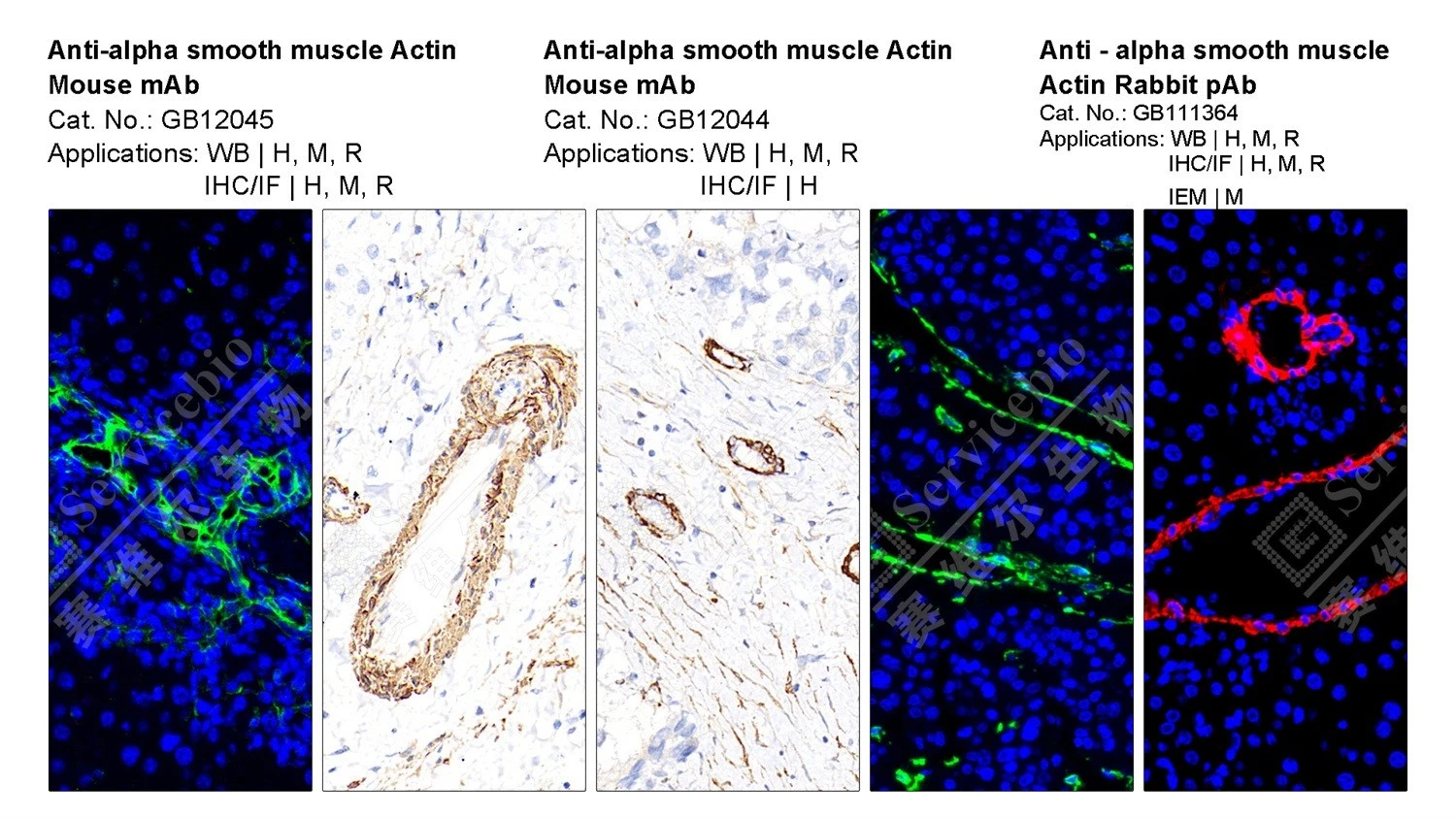
3. α-SMA
Cat. No.: GB111364/GB12045/GB12044
Smooth muscle actin, a protein belonging to the actin family, is a highly conserved protein that plays a role in cellular motility, structure, and integrity. α, β, and γ actin isoforms have been characterized, with α actin (α-SMA) being a major component of the contractile apparatus.
Figure 1 Sample is a mouse fibrotic liver model
4. Fibronectin
Cat. No.: GB114491 / GB114057
Fibronectin (soluble dimer form) in plasma is secreted by hepatocytes.
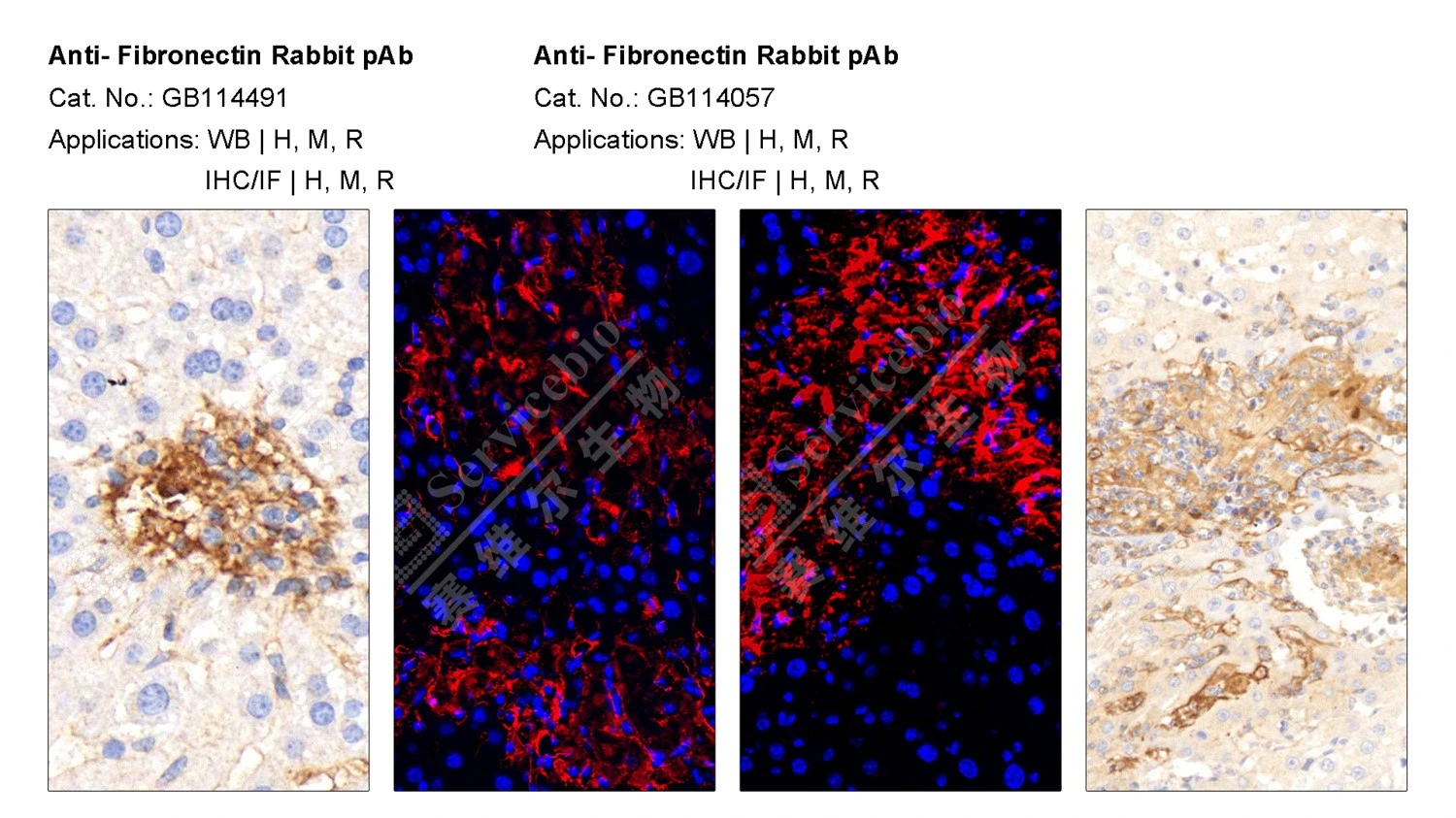
Figures 1-3 samples are mouse fibrotic liver model
Figure 4 sample is rat fibrotic liver model
▇ B. Close Connection
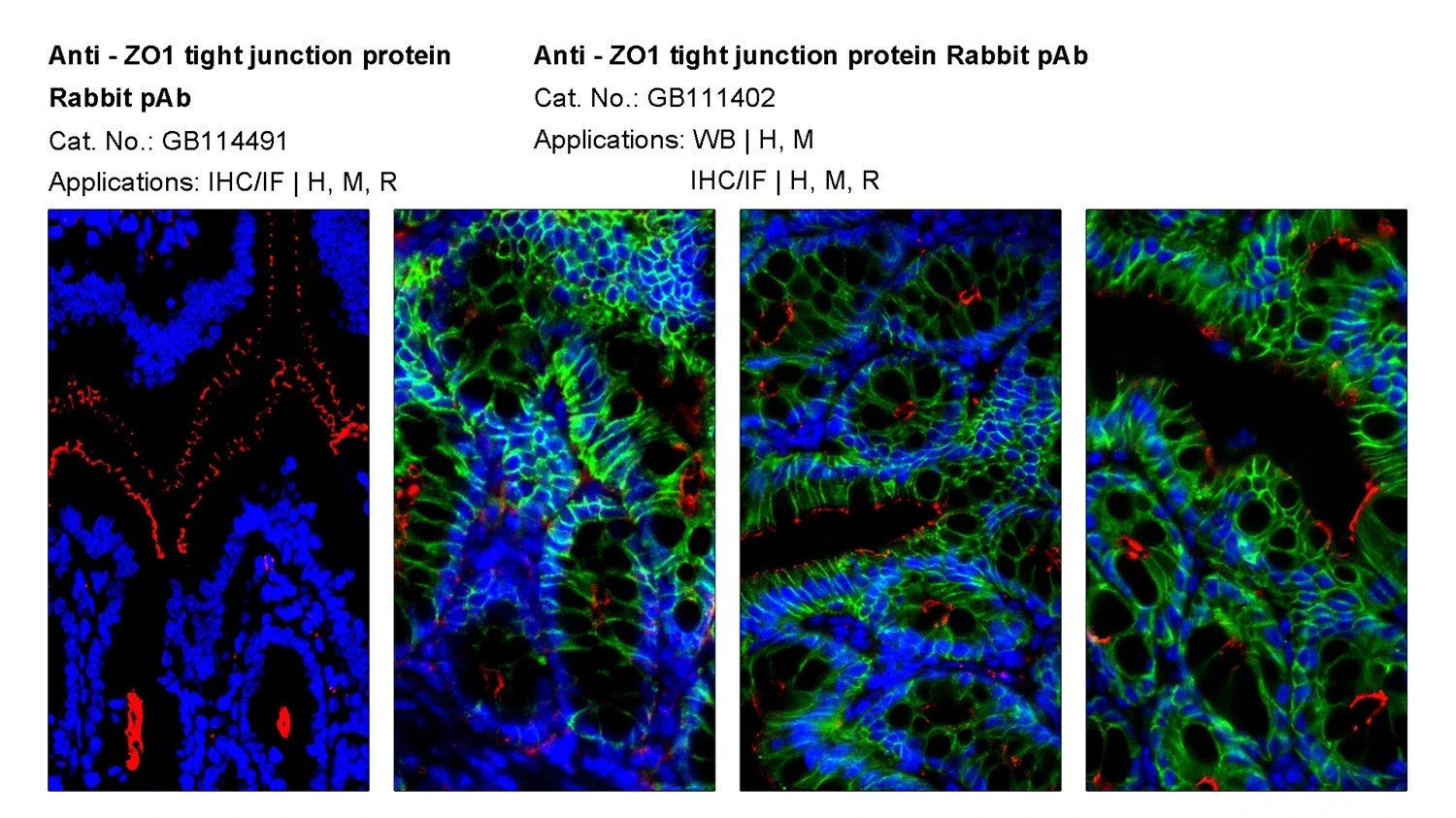
1. ZO-1
Cat. No.: GB111981 / GB111402
In epithelial cells, one end of ZO-1 binds to actin cytoskeletal components and stabilizes the cytoplasmic proteins to the cytoskeletal system. Decreased ZO-1 protein expression and increased epithelial permeability precede marked colonic inflammation, suggesting that abnormalities in tight junction function may be an initiator in the pathogenesis of inflammatory bowel disease.
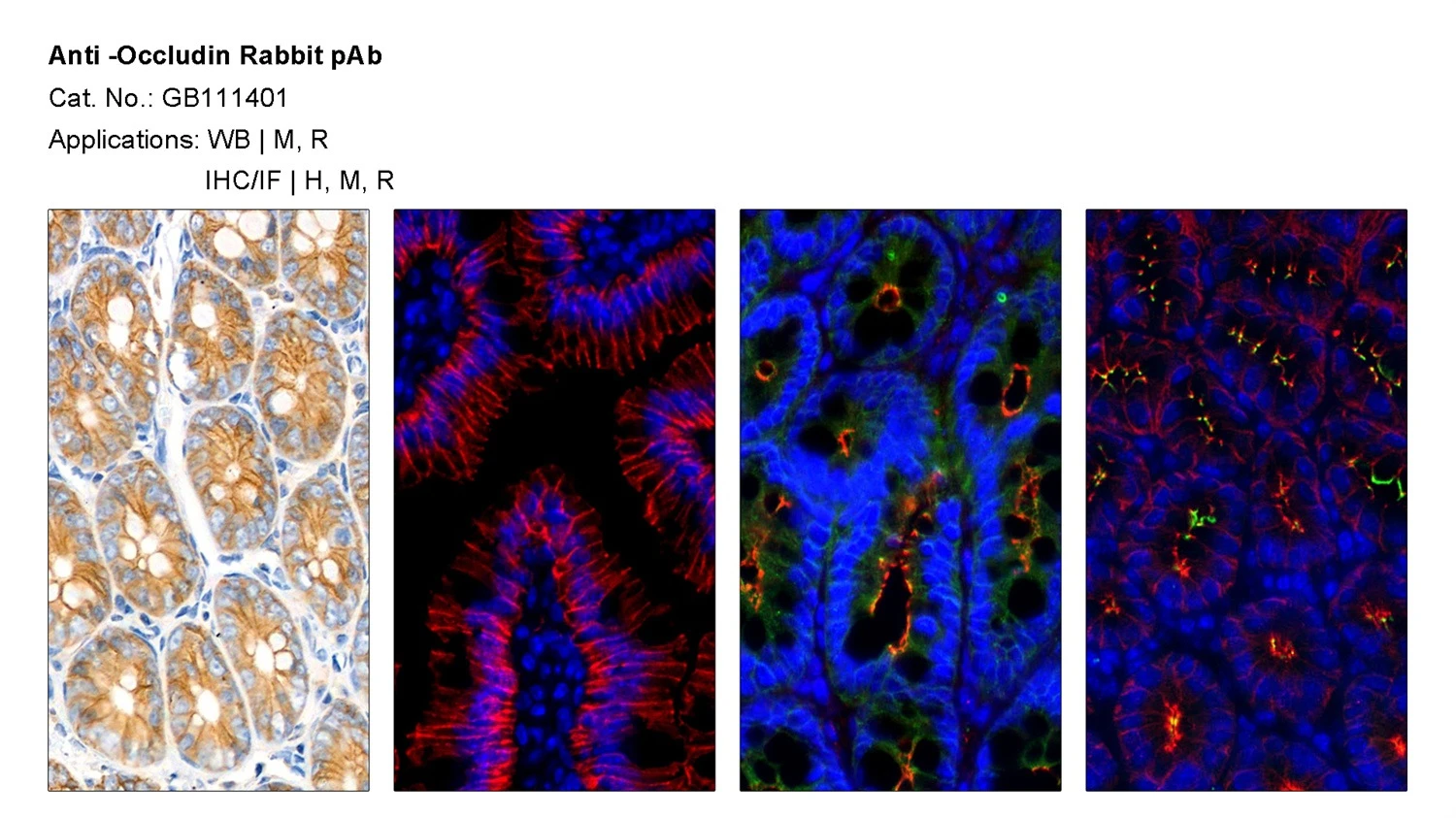
2. Occludin
Cat. No.: GB111401
Occludin is a major member of the transmembrane proteins, responsible for regulating the permeability of tight junctions and maintaining cell polarity. It is normally expressed on the surface and cytoplasm of intestinal epithelial cells, glandular cells, and occasionally in the nucleus.
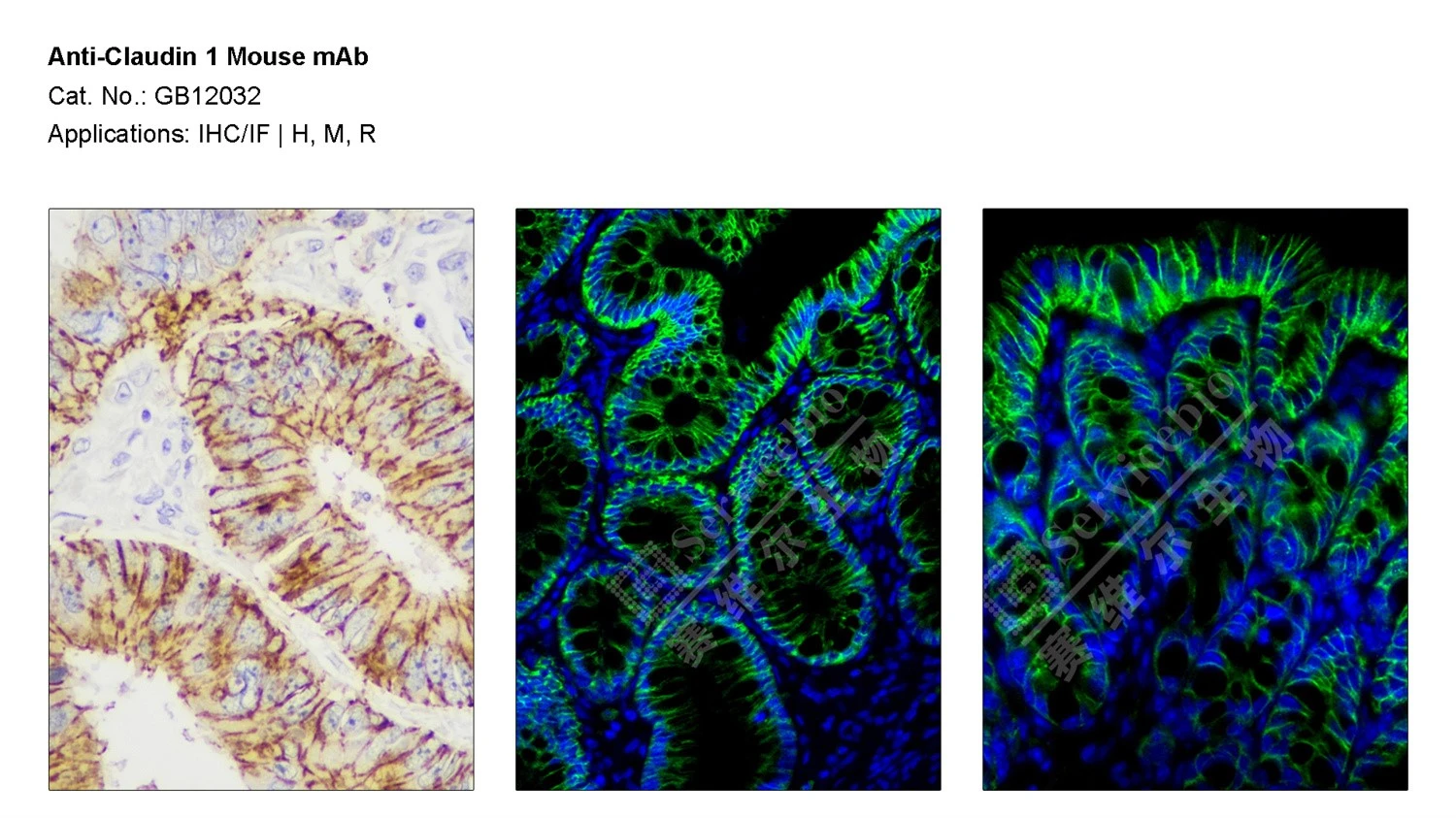
3. Claudin 1
Cat. No.: GB12032
Claudins are a family of proteins that are the most important components of the tight junction, Claudins are abundant in the luminal epithelium and maintain epithelial cell polarity. Claudin-1 is expressed in most tissues, such as liver and pancreas.
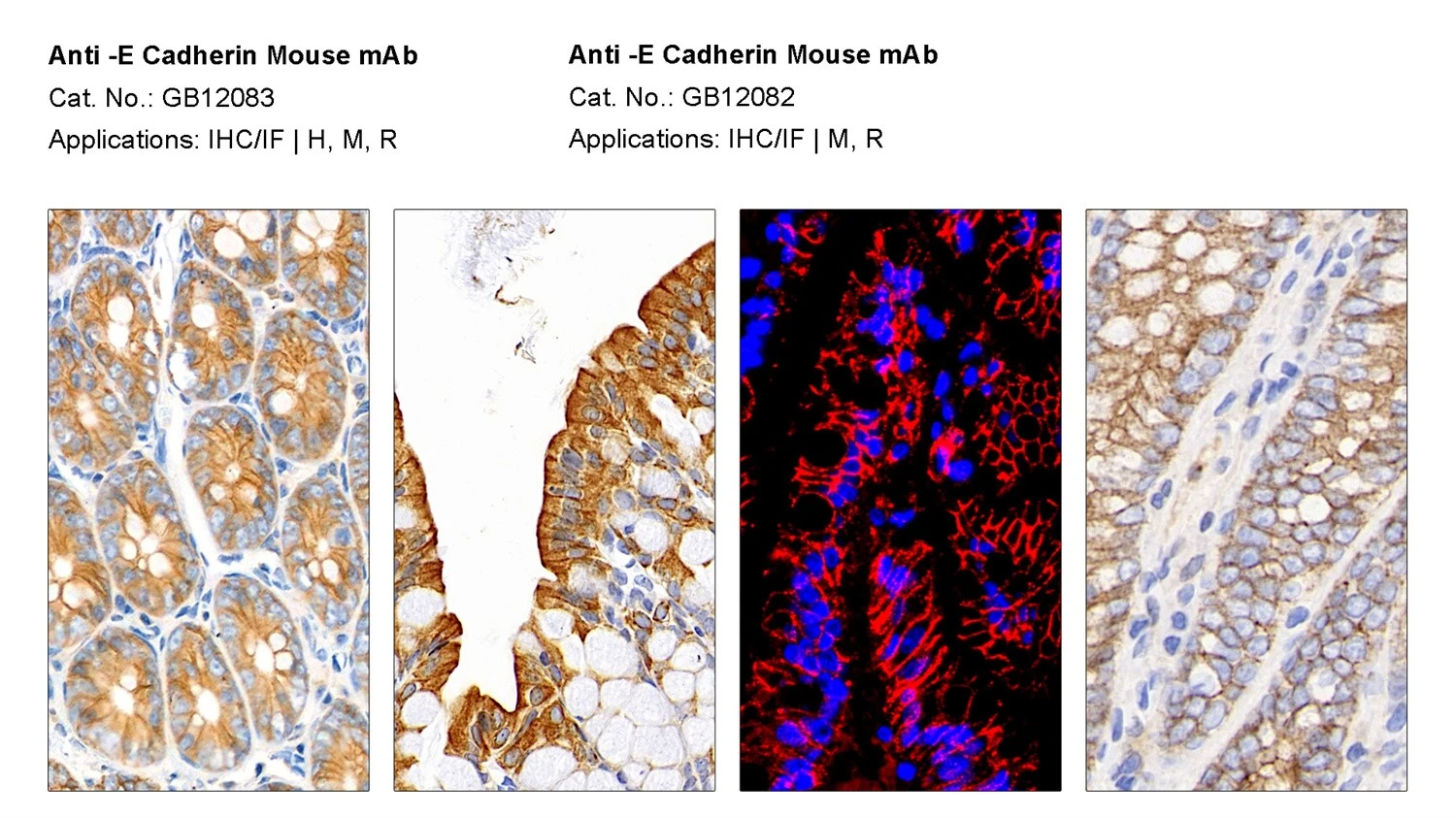
4. E-cadherin
Cat. No.: GB12082 / GB12083
Cadherins are calcium-dependent cell adhesion proteins. Mutations in this gene are associated with gastric and colorectal cancer.
▇ C. Intestinal Key Cell Markers
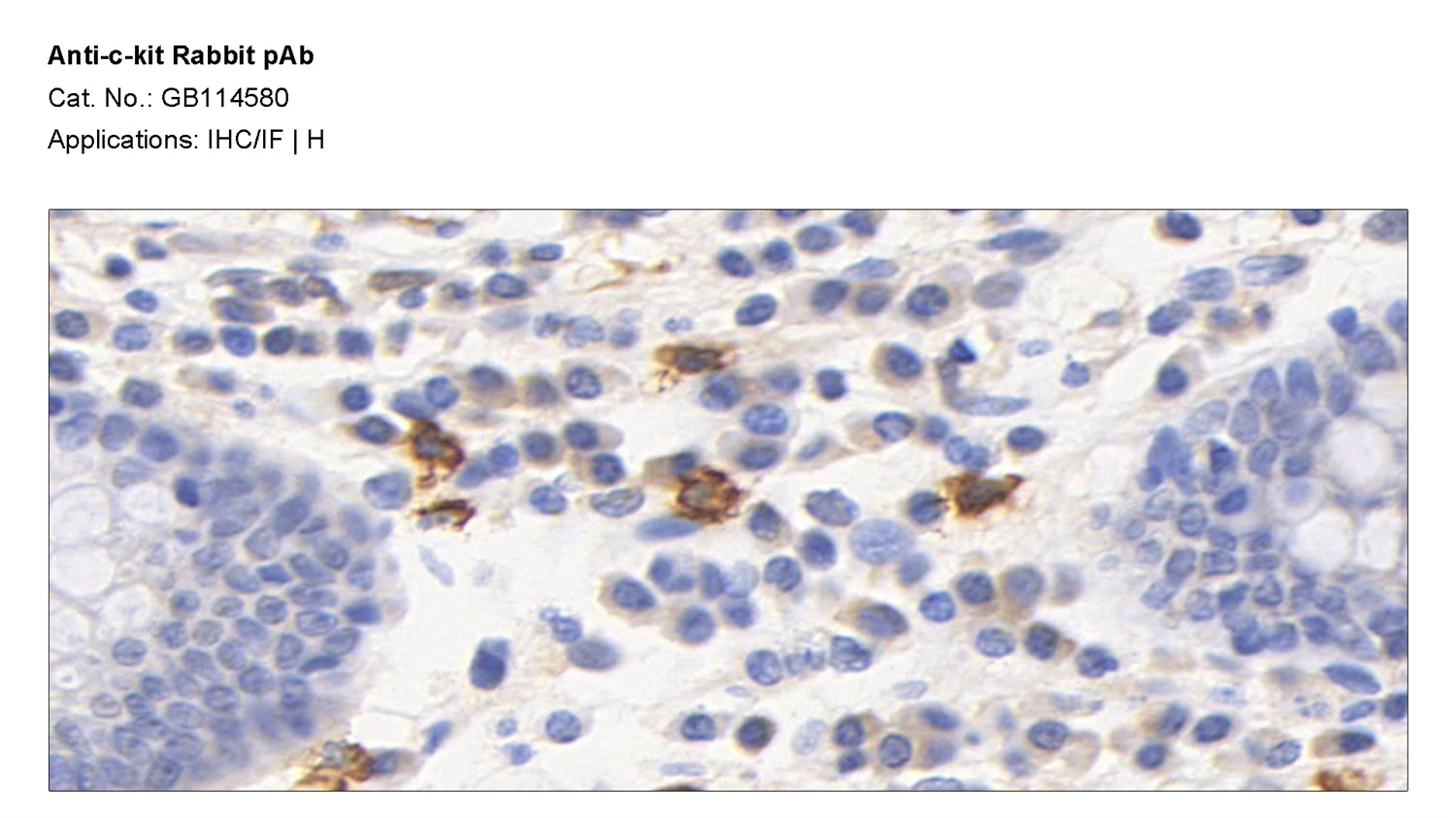
1. c-kit
Cat. No.: GB114580
Gastrointestinal mesenchymal tumors mutated by the c-kit gene can be found in the stomach, small intestine, rectum, and other parts of the body.
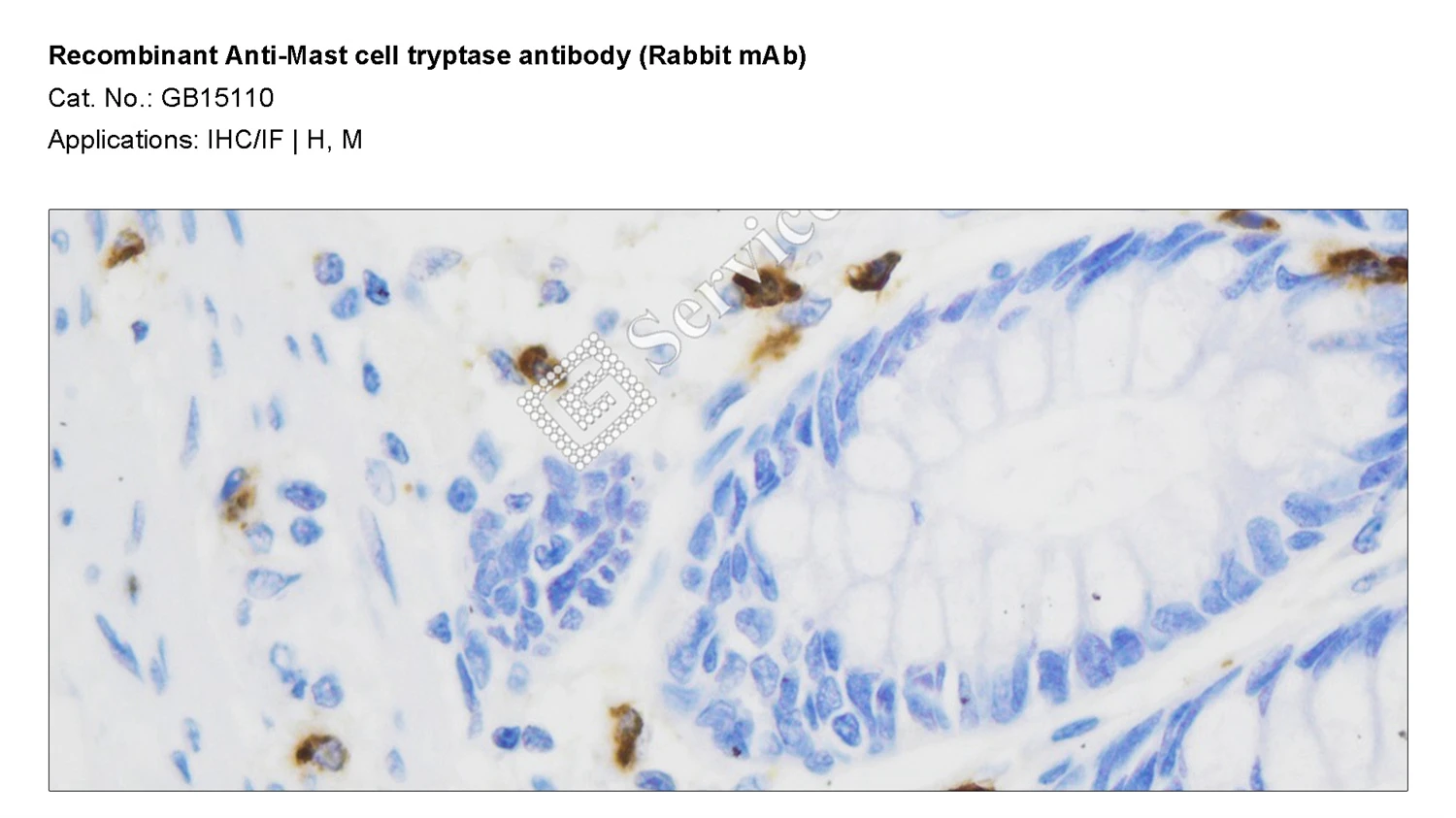
2. Mast Cell Tryptase
Cat. No.: GB15110
Mast cell tryptase is widely distributed in the respiratory and gastrointestinal tracts, skin and other tissues, and possesses a variety of biological activities, which can promote the recovery of the airway, regulate the tone and responsiveness of the airway smooth muscle cells, increase the permeability of the capillaries, and stimulate the generation of neovascularization, which can then initiate and accelerate the process of a variety of diseases.
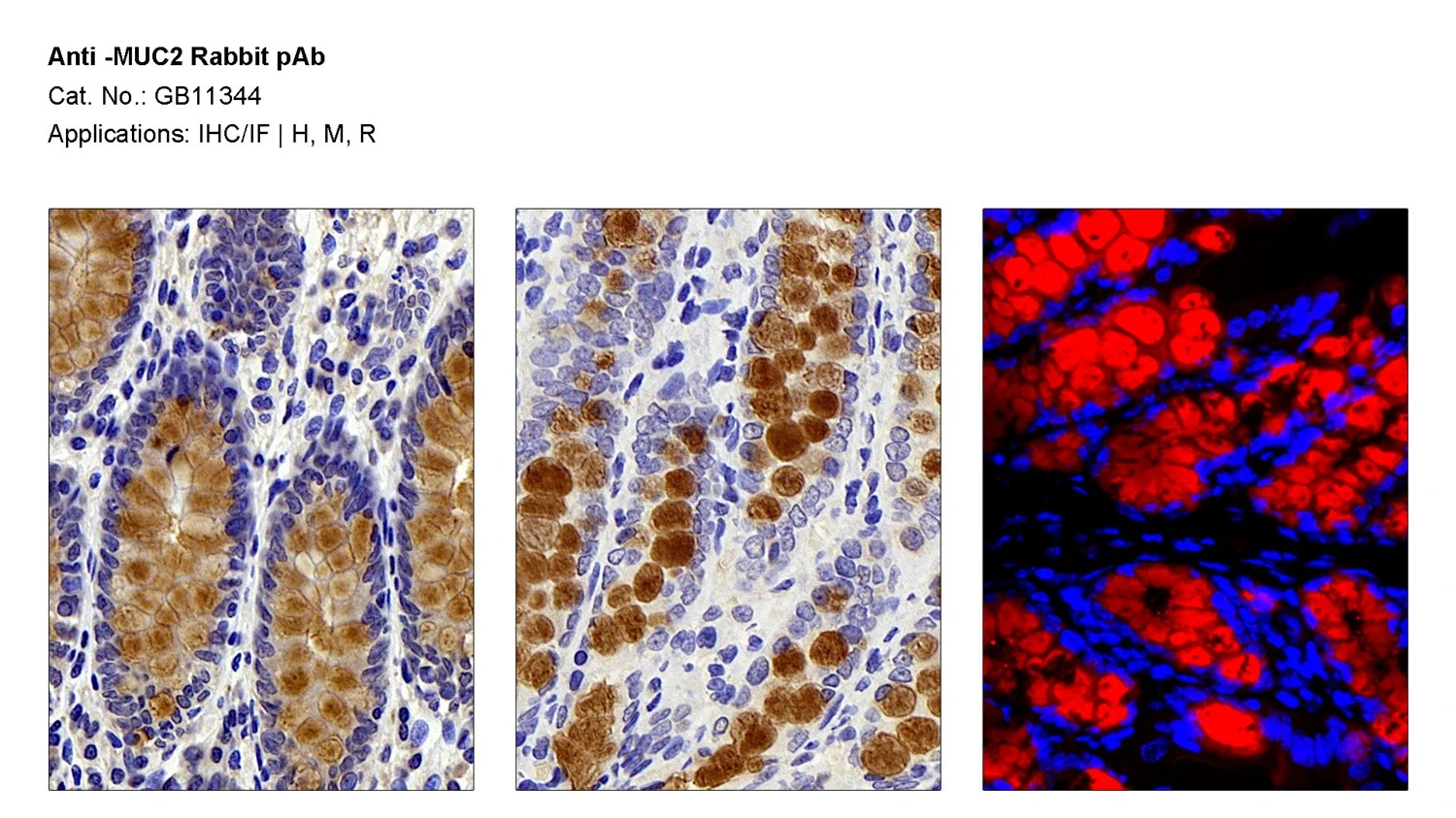
3. MUC2
Cat. No.: GB11344
MUC2, also known as intestinal-type mucus, is a secreted glycoprotein with a molecular weight of 520kDa. In normal tissues, it is mainly distributed in the glandular epithelium of the small intestine, salivary gland epithelium and mammary gland epithelium, and is not expressed in the epithelium of other parts of the body, and it is mainly used in the study of colon cancer and gastric cancer.
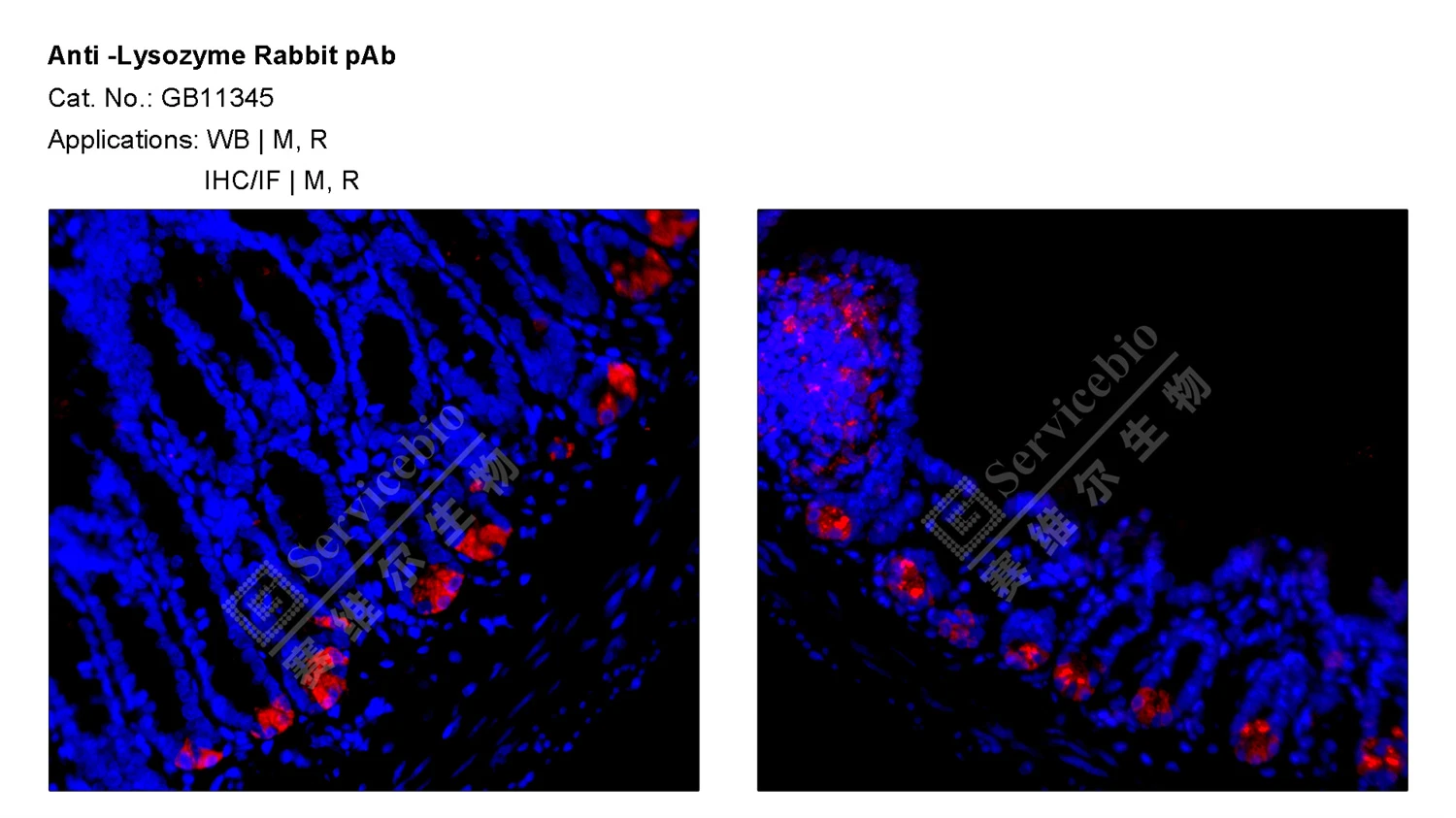
4. Lysozyme
Cat. No.: GB11345
Lysozyme is an alkaline enzyme that hydrolyzes the mucopolysaccharides in bacteria. The enzyme also kills intestinal enterococci, increasing intestinal resistance to infection, and promotes the proliferation of bifidobacteria in the infant's intestinal tract, which promotes cheese protein curd for digestion.
▇ C. Digestive Tract Tumor Related Protein
▉ Liver Cancer
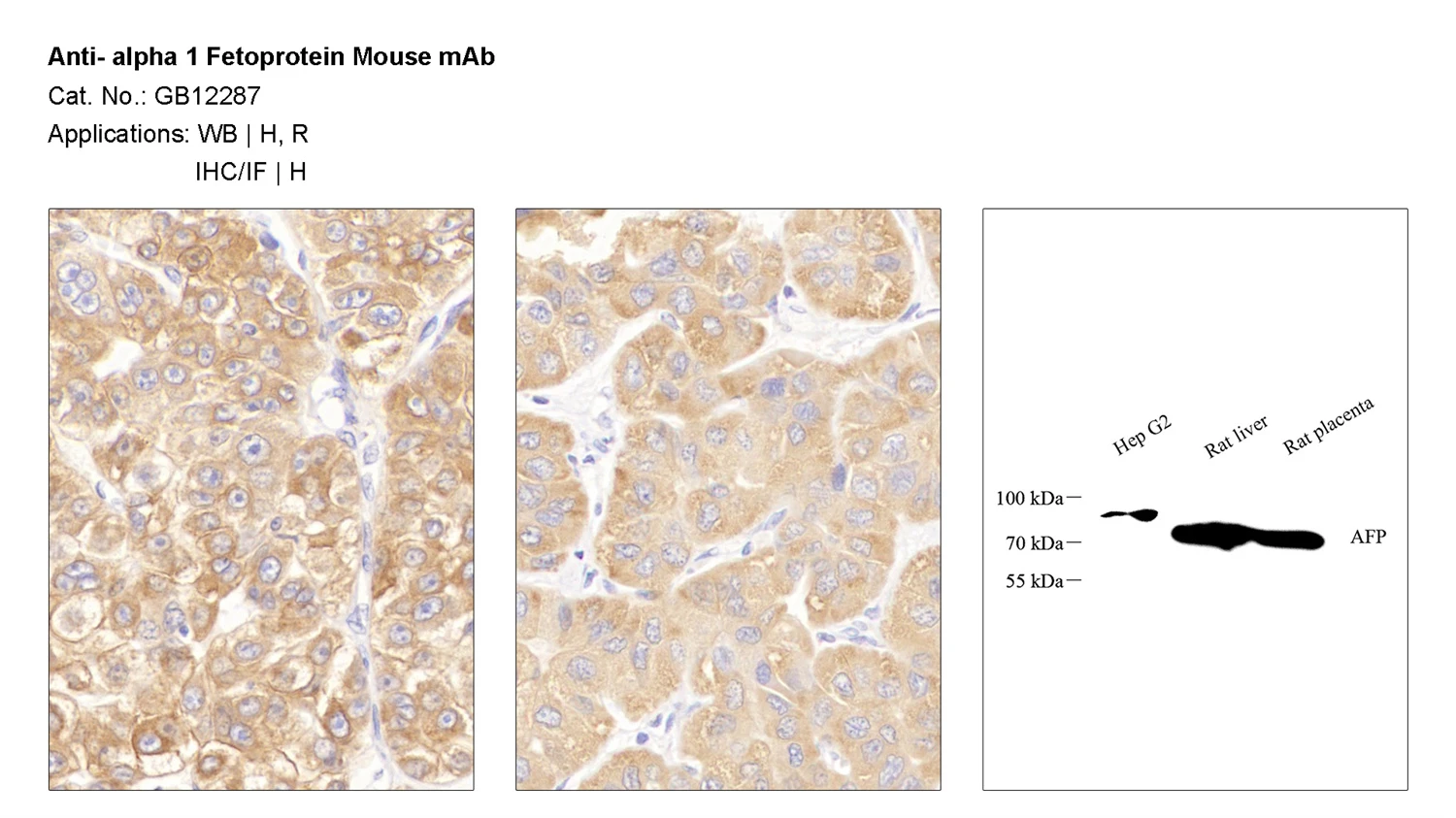
1. AFP
Cat. No.: GB12287
Alpha-fetoprotein (AFP) is a glycoprotein composed of 591 amino acids synthesized by the liver and yolk sac during early fetal development. Serum AFP is the most commonly used tumor marker to assist in the clinical diagnosis of primary liver cancer (referred to as hepatocellular carcinoma). Elevated serum AFP can also be seen in gastric cancer and colorectal cancer.
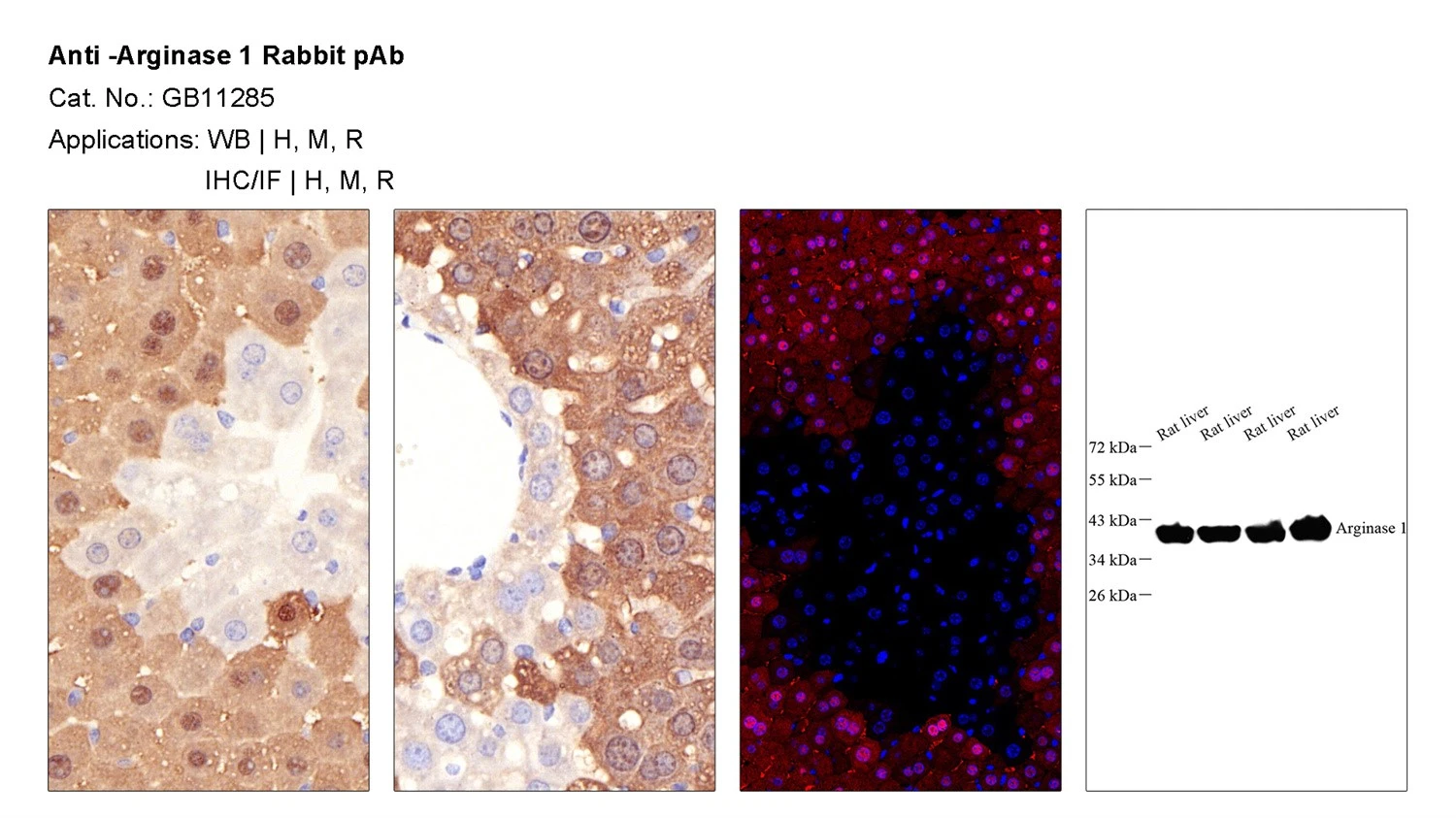
2. ARG1
Cat. No.: GB11285
Studies have shown that Arginase 1 distinguishes primary hepatocellular carcinoma (HCC) from metastatic tumors in the liver.
▉ Gastrointestinal Tumors
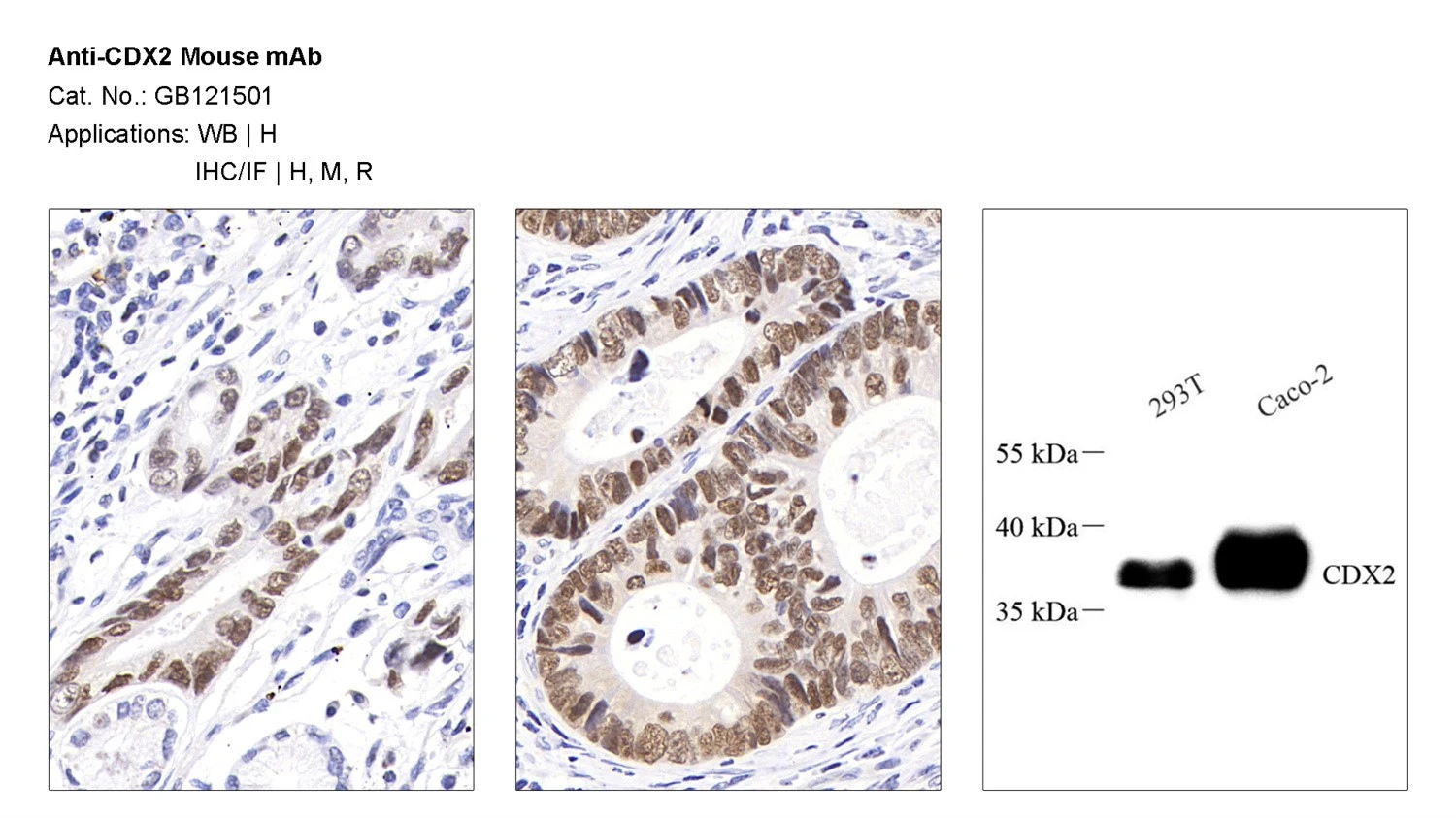
1. CDX2
Cat. No.: GB121501
CDX2 is an intestine-specific nuclear transcription factor. Human CDX2 protein is mainly expressed in the small intestine and colon, and is a key regulatory protein for intestinal epithelial formation and differentiation, and has been associated with the expression of a variety of genes, including cell proliferation, adhesion, metastasis, and tumorigenesis.
▉ Gastrointestinal Mesenchymal Tumors
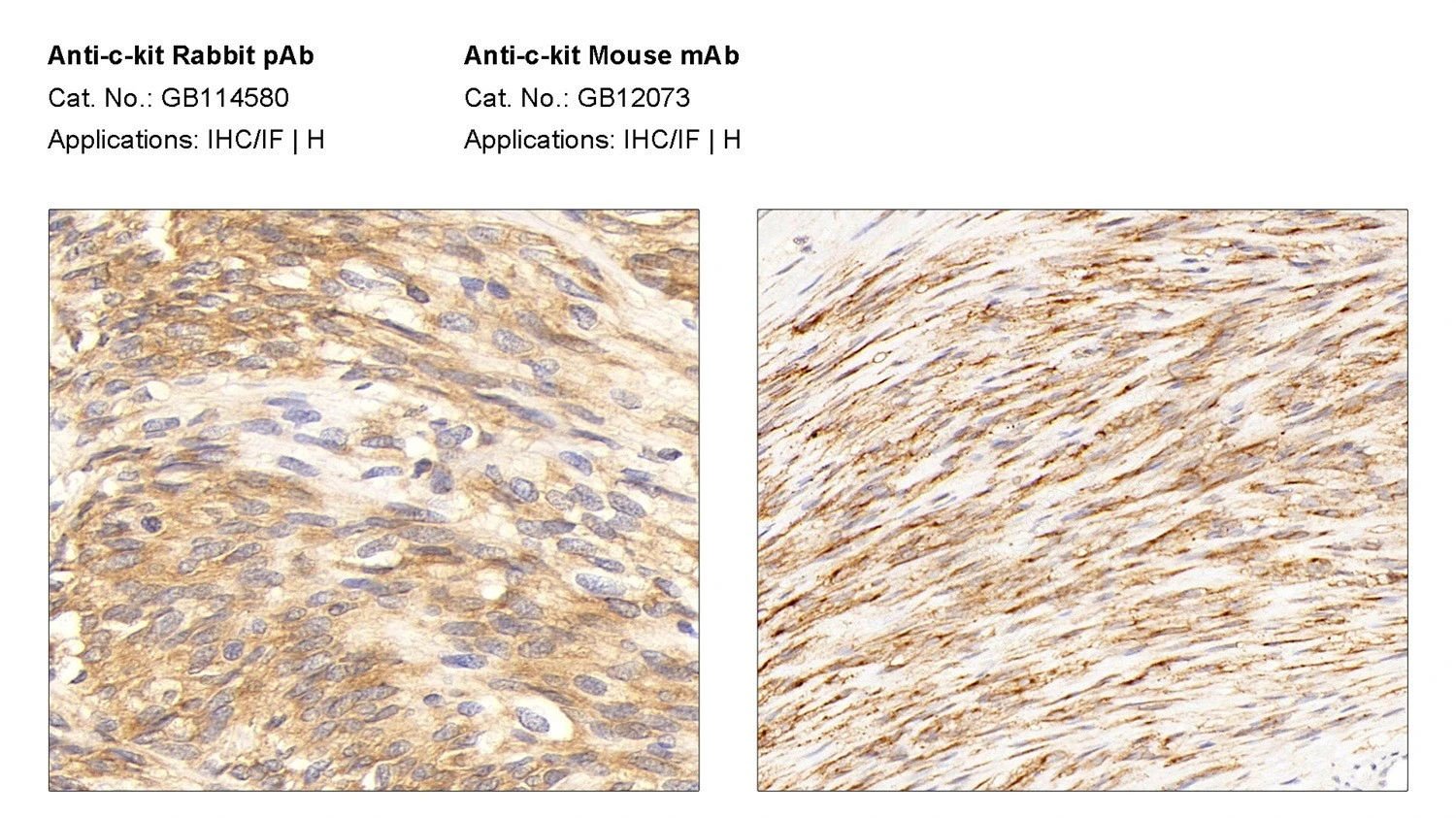
1. c-kit
Cat. No.: GB114580 / GB12073
c-kit overexpression most commonly includes gastrointestinal tumors, colorectal cancer, small cell lung cancer, neuroblastoma, and malignant mesothelioma. Therefore, c-kit is considered one of the key targets for the treatment of many types of cancer.
▉ Gastrointestinal Epithelial Tumors
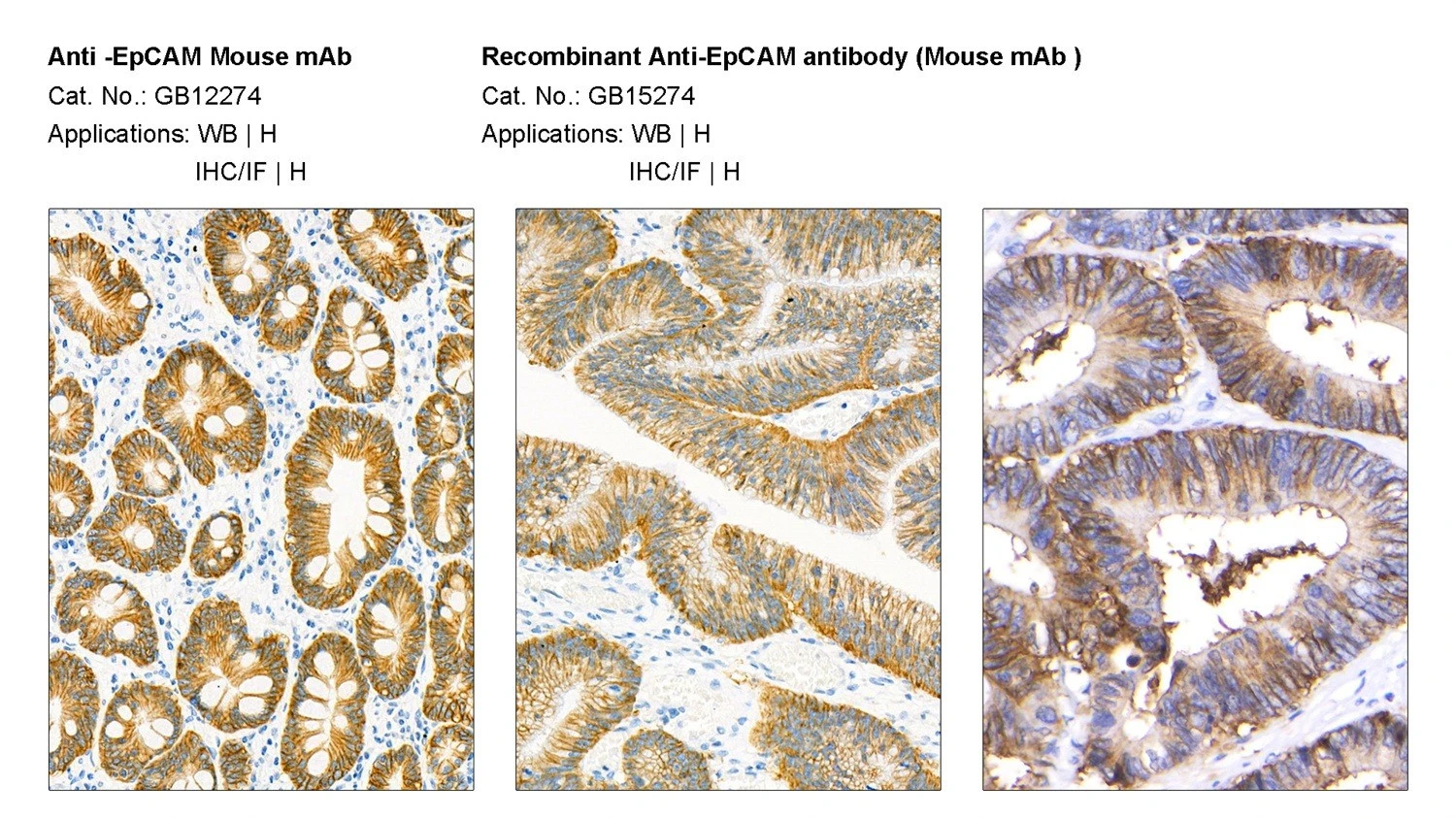
1. EpCAM
Cat. No.: GB12274 / GB15274
Pathologically, EpCAM is expressed in most tumors, especially adenocarcinomas, such as colorectal adenocarcinomas and gastric adenocarcinomas, and is highly expressed in epithelial tumors, weakly expressed or not expressed in non-epithelial tumors, and some mesenchymal tumors show only weak positivity.