The nervous system is a system that plays a leading role in the regulation of physiological functions and activities in the organism, and is mainly composed of nervous tissue, divided into two major parts: the central nervous system and the peripheral nervous system. The central nervous system includes the brain and spinal cord, while the peripheral nervous system includes the cerebral and spinal nerves.
In this issue, indicators of nervous system-related antibodies will be presented to aid scientific research!
Antibody Markers Commonly Done on The Nervous System
Neural Cell Markers - NeuN / GFAP / Iba-1(AIF-1) / Nestin / PSD95 / S100β / MAP2 / beta III Tubulin / MBP (Myelin Basic Protein)
Neurodegenerative diseases - Amyloid beta / Tau / Phospho-Tau / Alpha-synuclein
Nerve fibers and neurotransmitters - TH (Tyrosine Hydroxylase) / NSE / GAP43 / SYP (Synaptophysin) / GABA / AchE (Acetylcholinesterase)
Note: Servicebio's antibodies may only be used in scientific research.
Neural Cell Markers
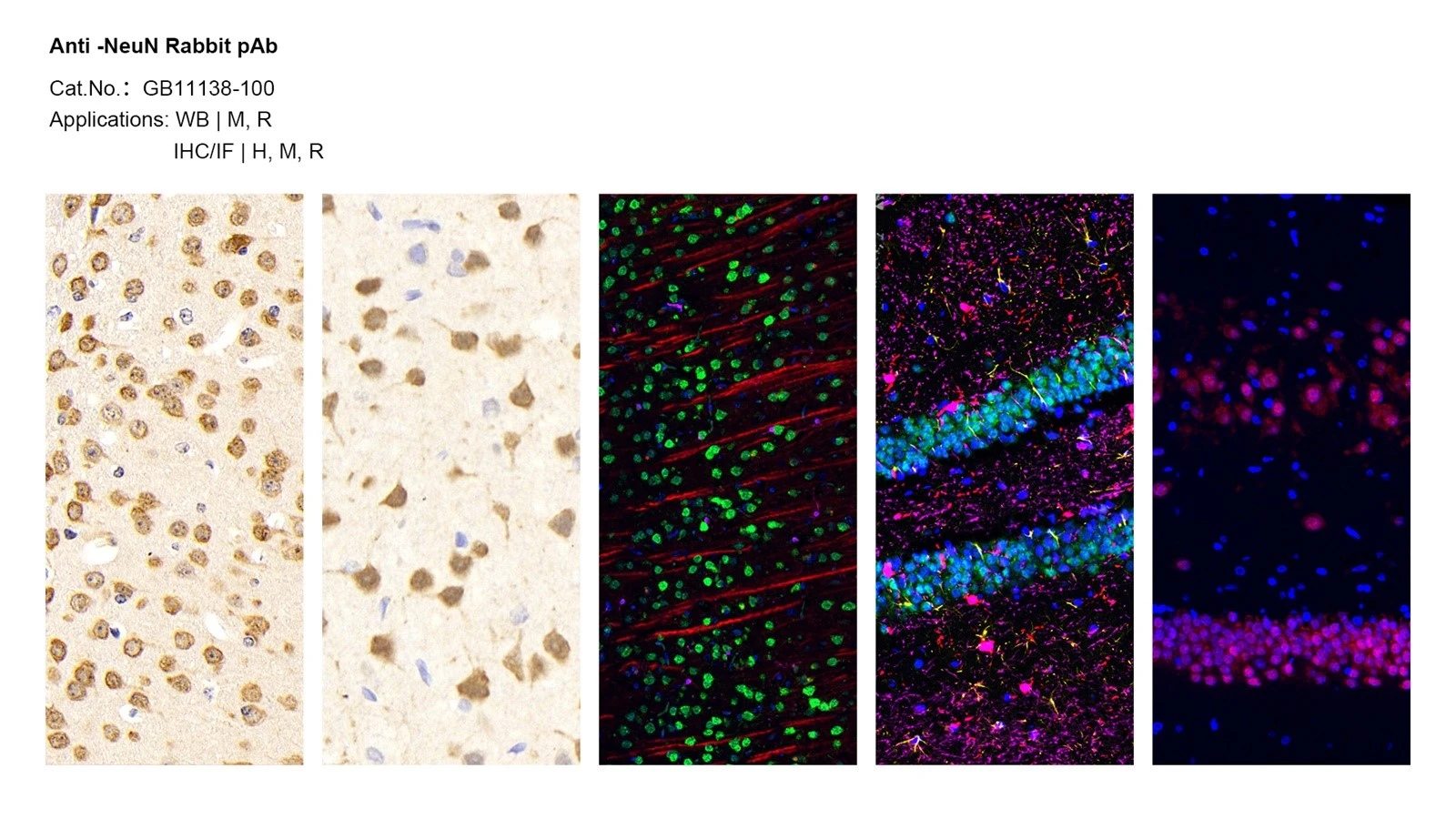
1. NeuN
Neuronal Nuclear Antigen (NeuN), also known as FOX-3 protein, is located in the nucleus and cytoplasm of most neuronal cells of the central nervous system, peripheral nervous system, and tumors of these cellular origins. NeuN can be used as a marker for central neurocytoma and ganglionic glioblastoma.
2. GFAP
Glial Fibrillary Acidic Protein (GFAP), a type III intermediate filamentous protein, is mainly expressed in mature astrocytes in gray and white matter, cerebellum, subventricular and subgranular regions, and Mueller cells in the retina. GFAP has a role in regulating cellular metabolism, forming and maintaining the blood-brain barrier, and producing and releasing neurotrophic factors. It has an important role in maintaining astrocyte morphology and function.
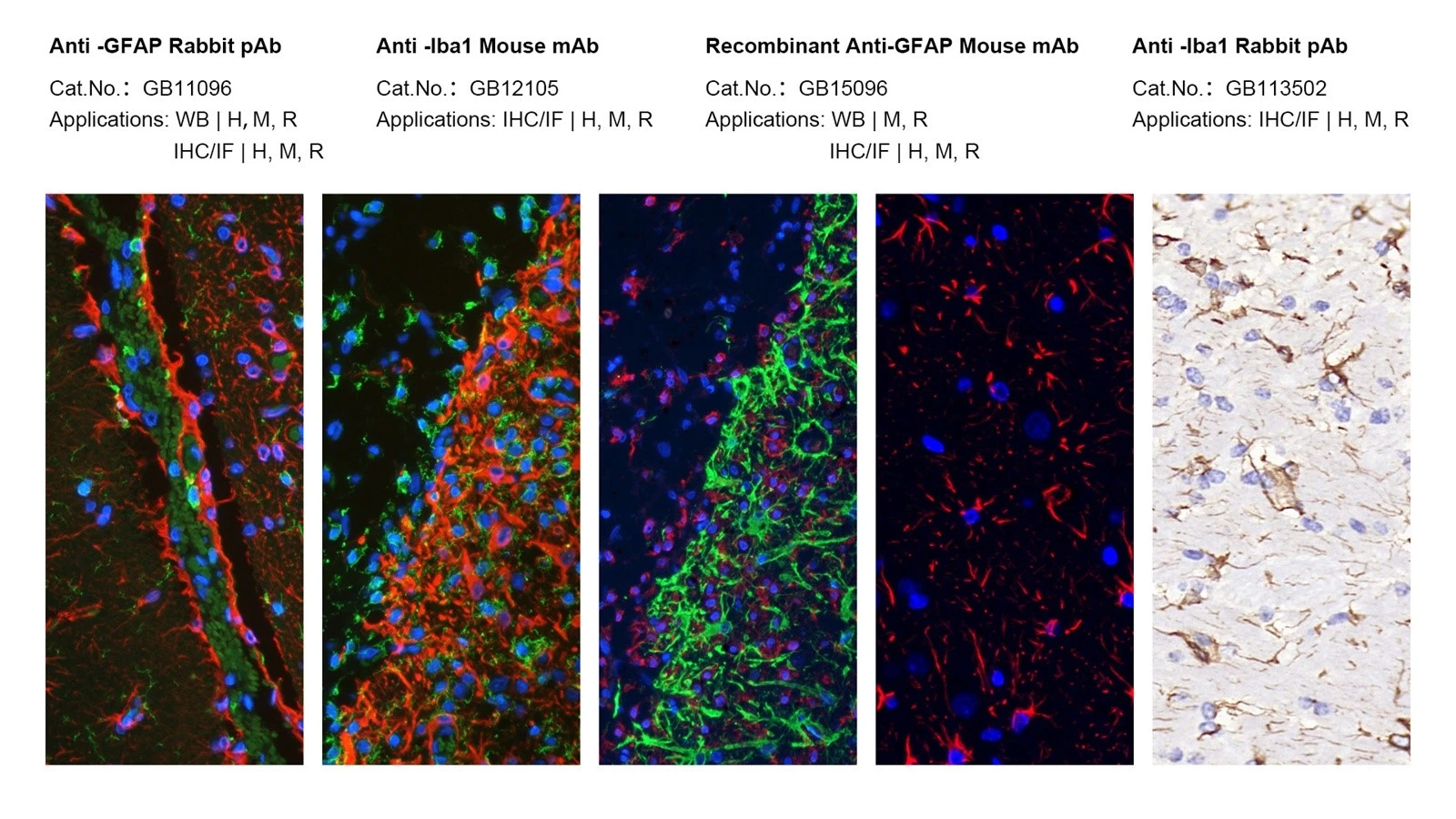
Note: The samples in Figures 1-3 are Servicebio's MCAO model of rat cerebral infarction.
Servicebio can provide tumor and non-tumor animal modeling services.
3. Iba1 (AIF-1)
Ionic calcium-binding adapter molecule 1 (Iba1), also known as allograft inflammatory factor 1 (AIF-1), is an evolutionarily conserved cytoplasmic calcium-binding protein containing a pair of EF-HAND calcium-binding motifs. Iba1/AIF-1 was originally cloned from activated macrophages in human atherosclerotic allogeneic heart grafts undergoing chronic transplant rejection, as well as from rat monocytes.
Iba1/AIF-1 is also uniquely expressed in cells of the monocyte lineage and is therefore widely used as a marker for microglia/macrophages in the brain and other tissues.
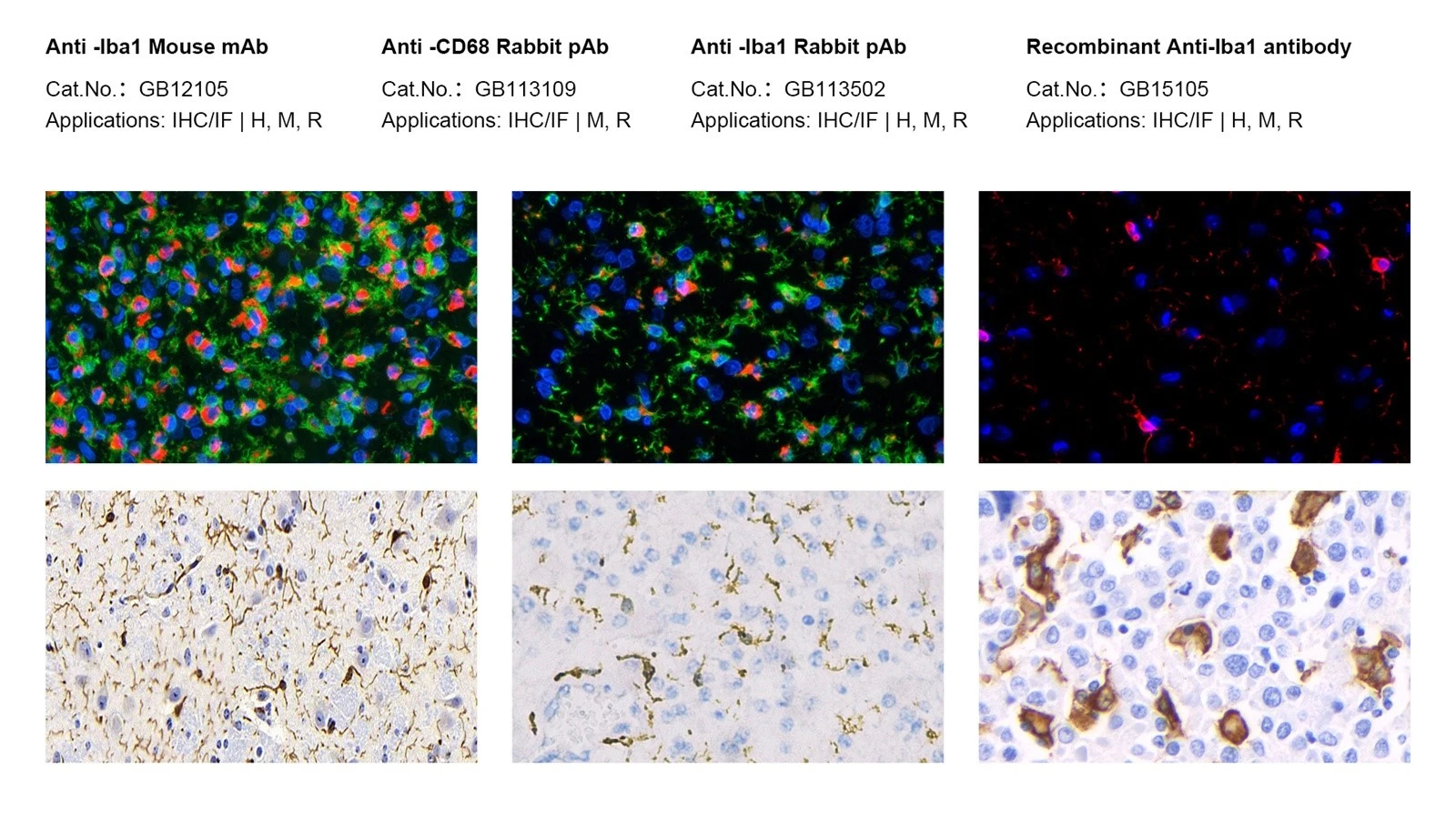
Note: The samples in Figure 1-2 are Servicebio rat cerebral infarction MCAO models
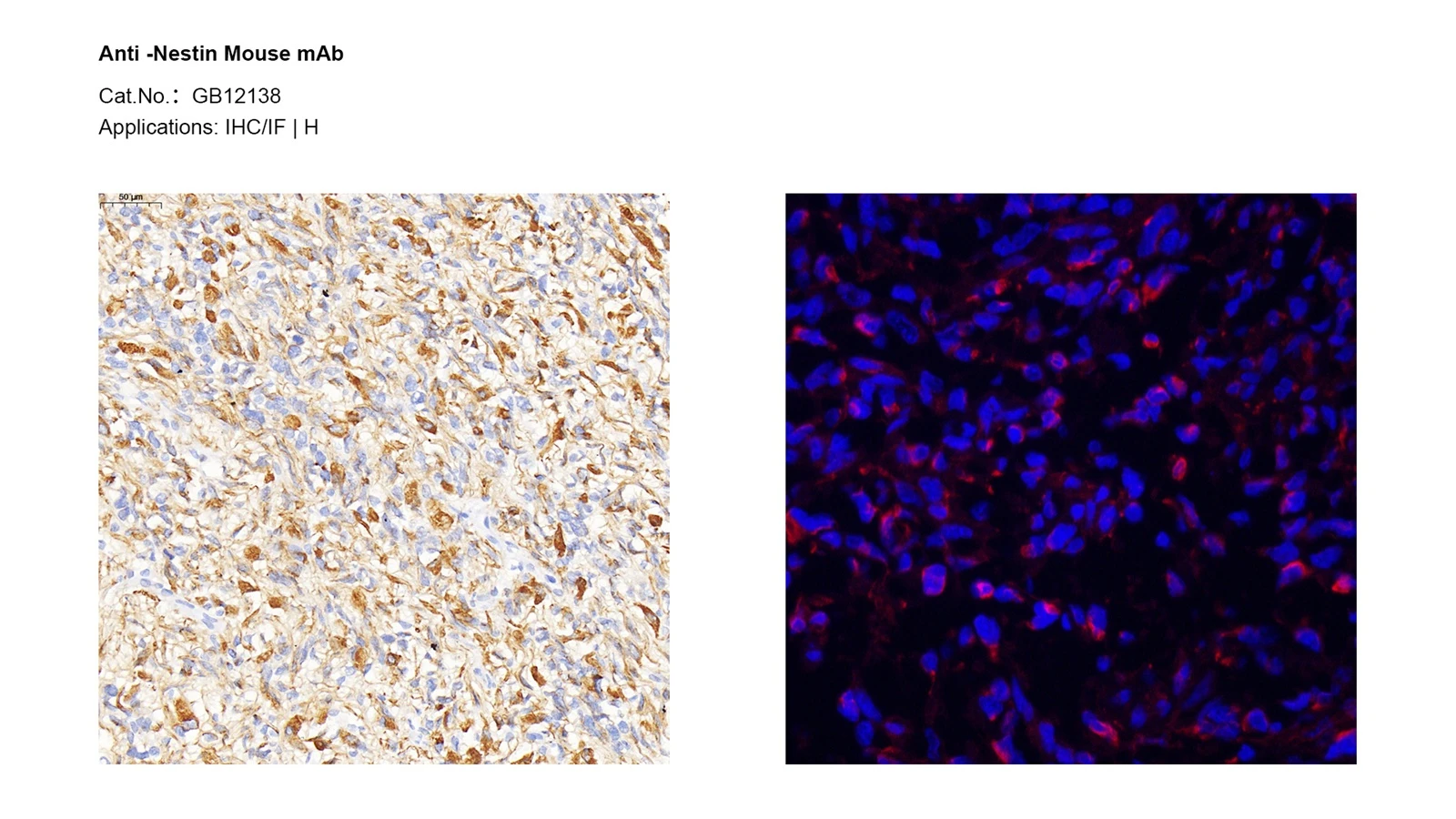
4. Nestin
Nestin, an intermediate filament type protein, serves as a specific marker for neural stem cells. May have a role in neuronal differentiation. Nestin is expressed only in the neuroepithelium during early embryonic development and expression ceases after birth.
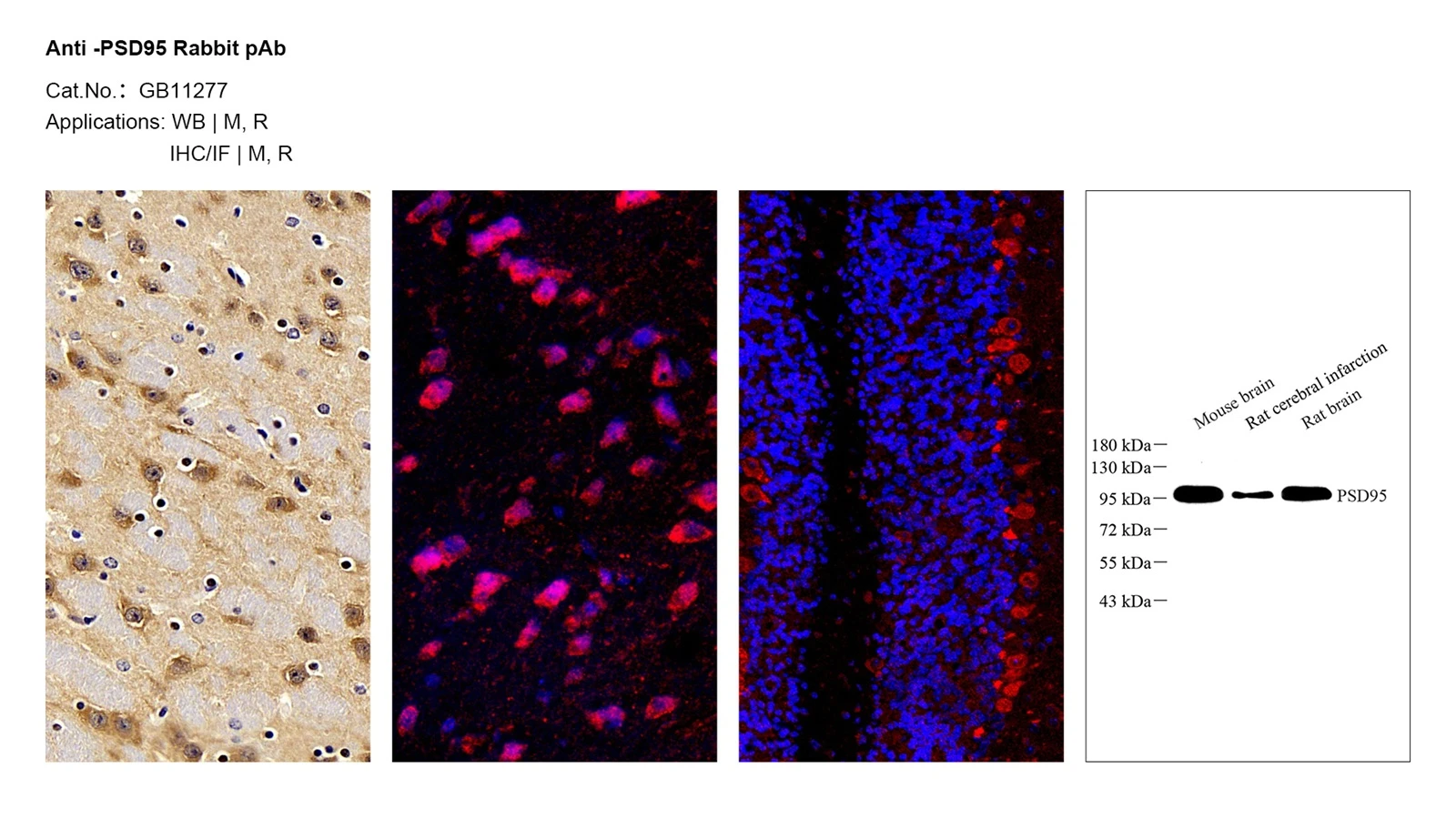
5. PSD95
PSD refers to postsynaptic density, a specialized structure located in the postsynaptic membrane of the central nervous system, which is a key substance for postsynaptic signaling and integration. While PSD95 (also known as SAP90) is a key component of the glutamatergic PSD, PSD95 and PSD93 can form a multimeric scaffold containing hundreds of copies, aggregating neurotransmitter receptors, ion channels, and other accompanying signaling proteins. PSD95 can be used for specific immunolabeling of postsynaptic terminals in the nervous system.
6. S100β
S100 is a soluble acidic protein that is a dimer of α and β chains. S100 proteins mediate the immune response in various tissue types and are also implicated in neuronal development.
S100β is highly expressed in astrocytes and is abundantly present in the central nervous system as a dimeric active form through the formation of disulfide bonds at cysteine residues.
Physiological concentration of S100β protein is a neurotrophic factor with mitogenic effect, which can regulate the growth, proliferation and differentiation of glial cells, maintain calcium homeostasis, promote brain development, and play a role in learning and memory. When glial cells over-express S100β protein, it will produce neurotoxicity, accelerate the deterioration of neurological inflammation, and lead to neurological dysfunction.
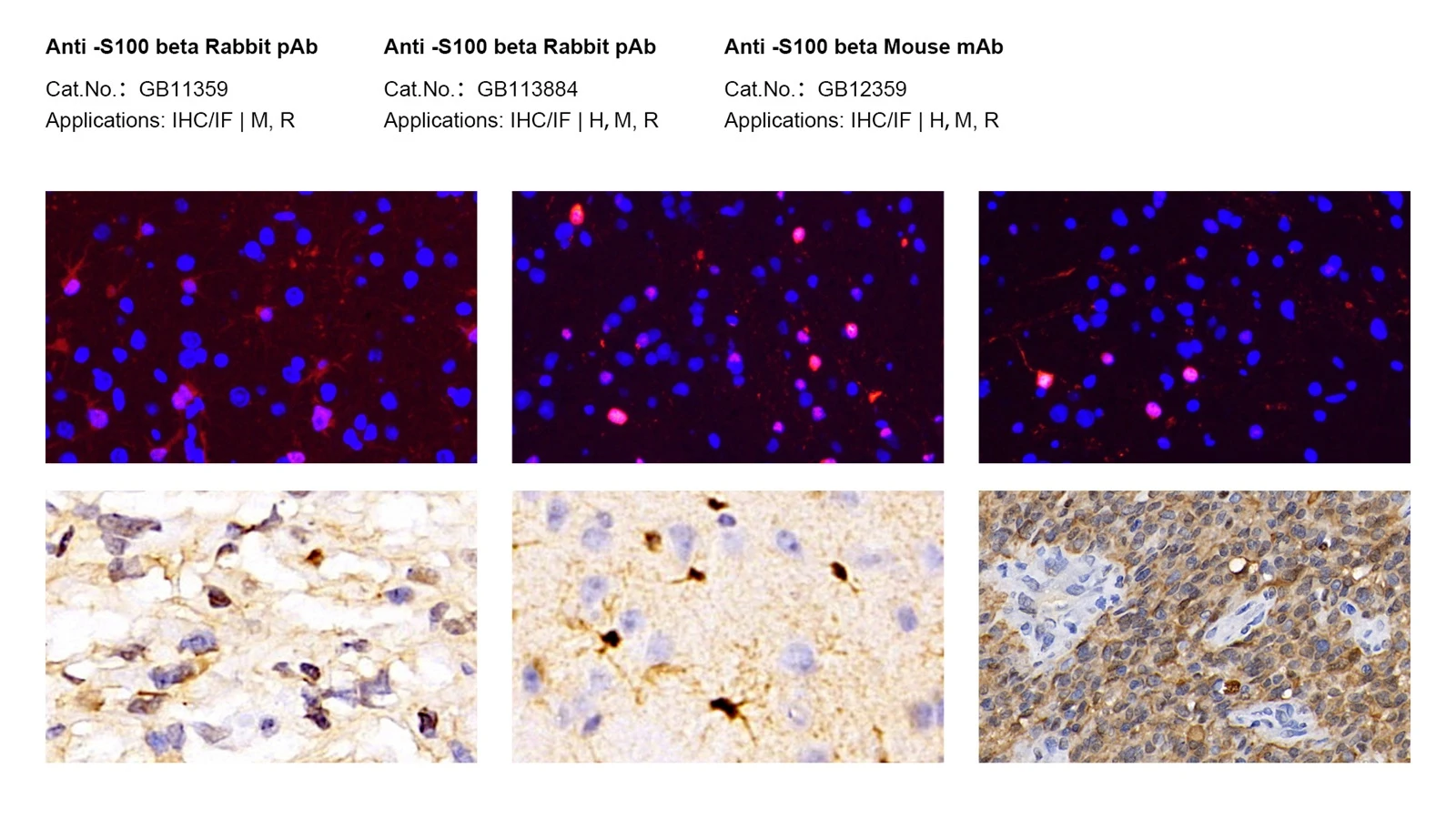
Note: Figure 1 samples are Servicebio rat epilepsy model, Figure 2-3 samples are Servicebio mouse MTPT-induced Parkinson's disease model
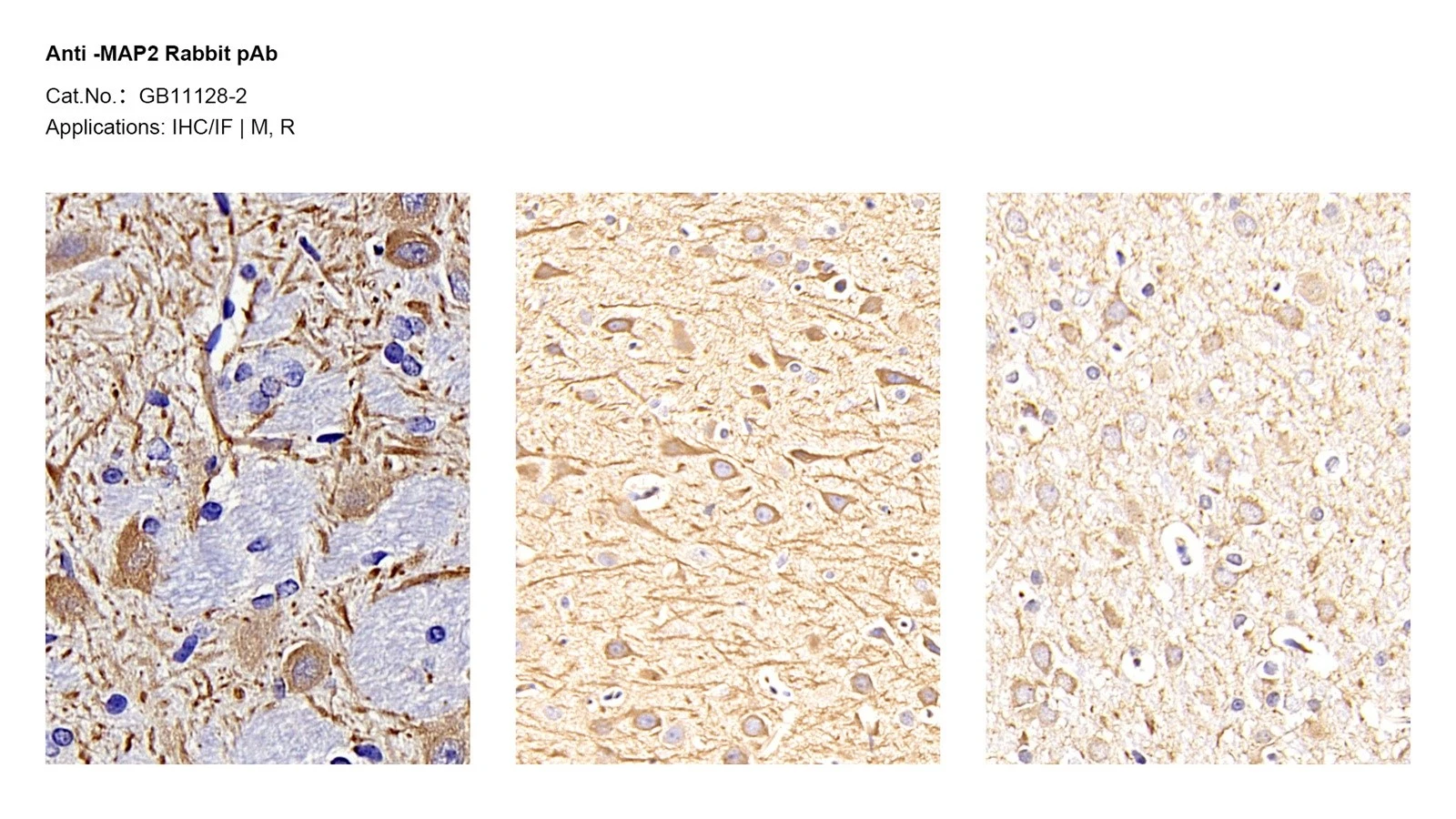
7. MAP2
Microtubule-associated protein 2 (MAP2) belongs to the microtubule-associated protein family. This protein is associated with microtubules and mediates their interaction with actin filaments, thus playing a key role in organizing the microtubule-actin network. MAP2 is expressed in neurons and reactive astrocytes, and labels the cytoplasmic components of the cytosol of neuronal cells as well as the dendrites at the basal level, which is considered to be an early marker of neuronal differentiation.
8. beta III Tubulin
beta III Tubulin (TUBB3) is one of six beta-Tubulin isoforms that are highly expressed during embryonic and postnatal development and play a key role in axon guidance, maturation and maintenance. Studies have shown that mutations in the beta III Tubulin gene, TUBB3, result in eye movement defects and other neurological disorders.
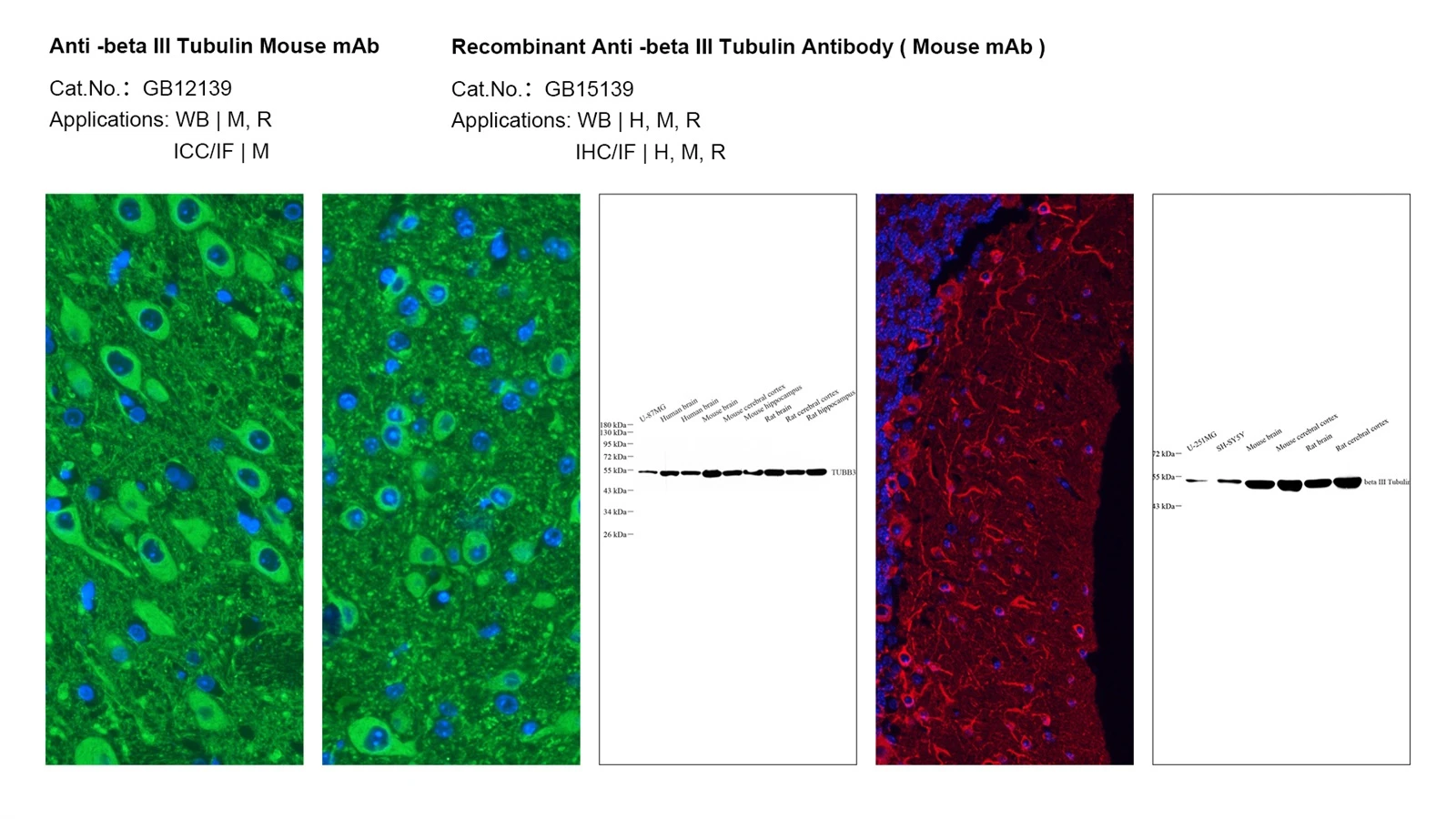
Note: Figure 1 sample is Servicebio rat epilepsy model, Figure 2 sample is Servicebio mouse epilepsy model
9. MBP (Myelin Basic Protein)
Myelin Basic Protein (MBP) is located in the plasma membrane surface of myelin lipids, and is tightly bound to myelin lipids, which can maintain the stability of the structure and function of myelin in the central nervous system, and play the role of insulation and rapid conduction in nerve fibers. Changes in its level can reflect the severity of myelin damage to oligodendrocytes in the white matter of the brain, and MBP can be used as a sensitive indicator and specific marker of traumatic brain injury. When the central nervous system suffers damage, the function of the blood-brain barrier is damaged and its permeability is altered, resulting in elevated serum MBP levels.
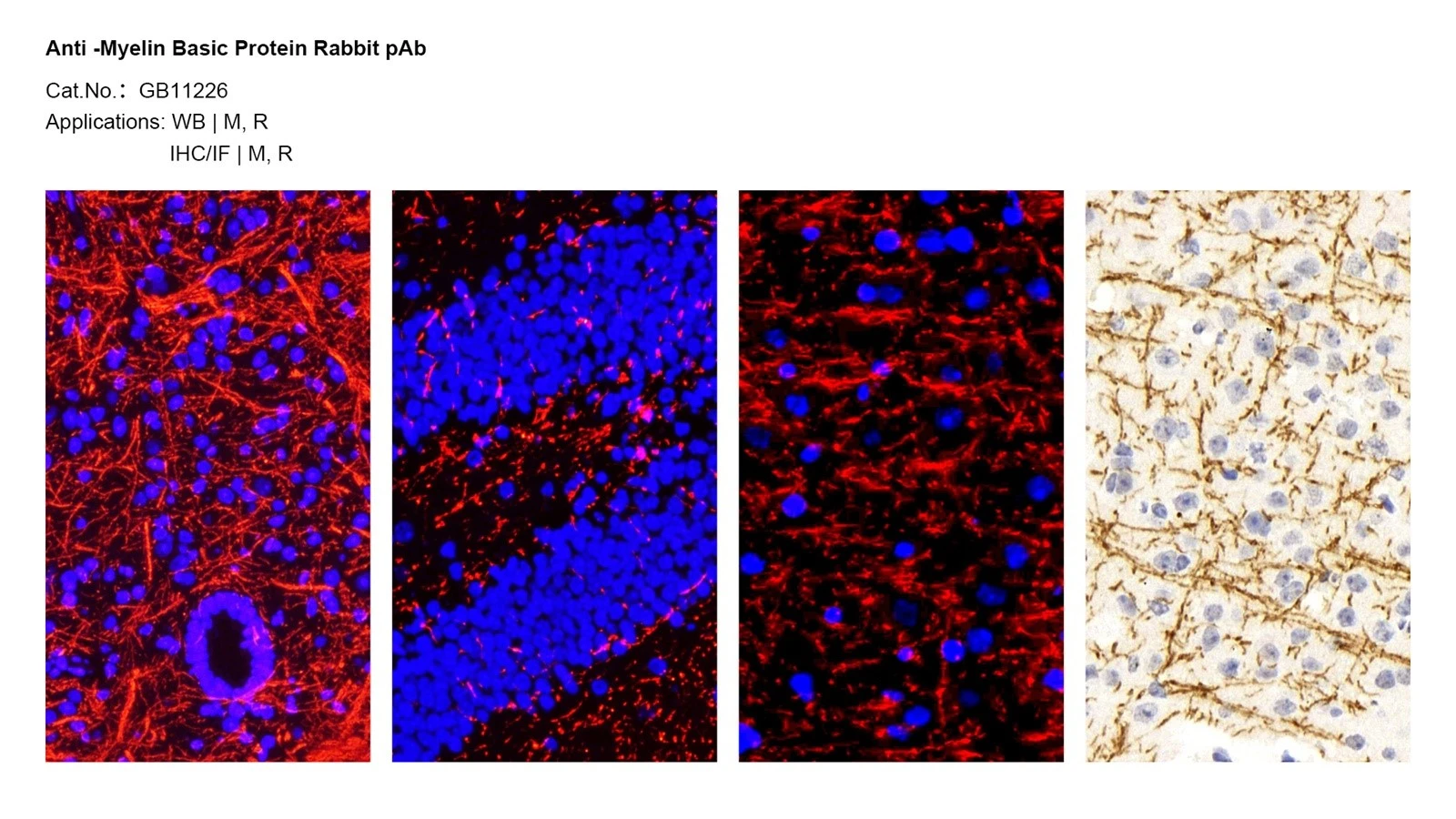
Note: Figure 1 sample is Servicebio mouse spinal cord injury model, Figure 2 sample is Servicebio mouse epilepsy model
Neurodegenerative Disease
1. Amyloid beta
Amyloid beta (Aβ) is a 39-43 amino acid peptide produced by hydrolytic cleavage of Amyloid precursor protein (APP) by β-secretase and γ-secretase, and it is one of the major pathological hallmark proteins in the Alzheimer's disease brain.
Aβ40 and Aβ42 are the most common isoforms of Aβ in humans. In human cerebrospinal fluid and blood, Aβ40 is 10-20 times more abundant than Aβ42. Aβ40 is secreted extracellularly by cells and is mainly found in cerebrovascular plaques, a pathology known as cerebral amyloid angiopathy (CAA), whereas Aβ42 is more aggregative and neurotoxic, and is mainly located in parenchymal plaques.
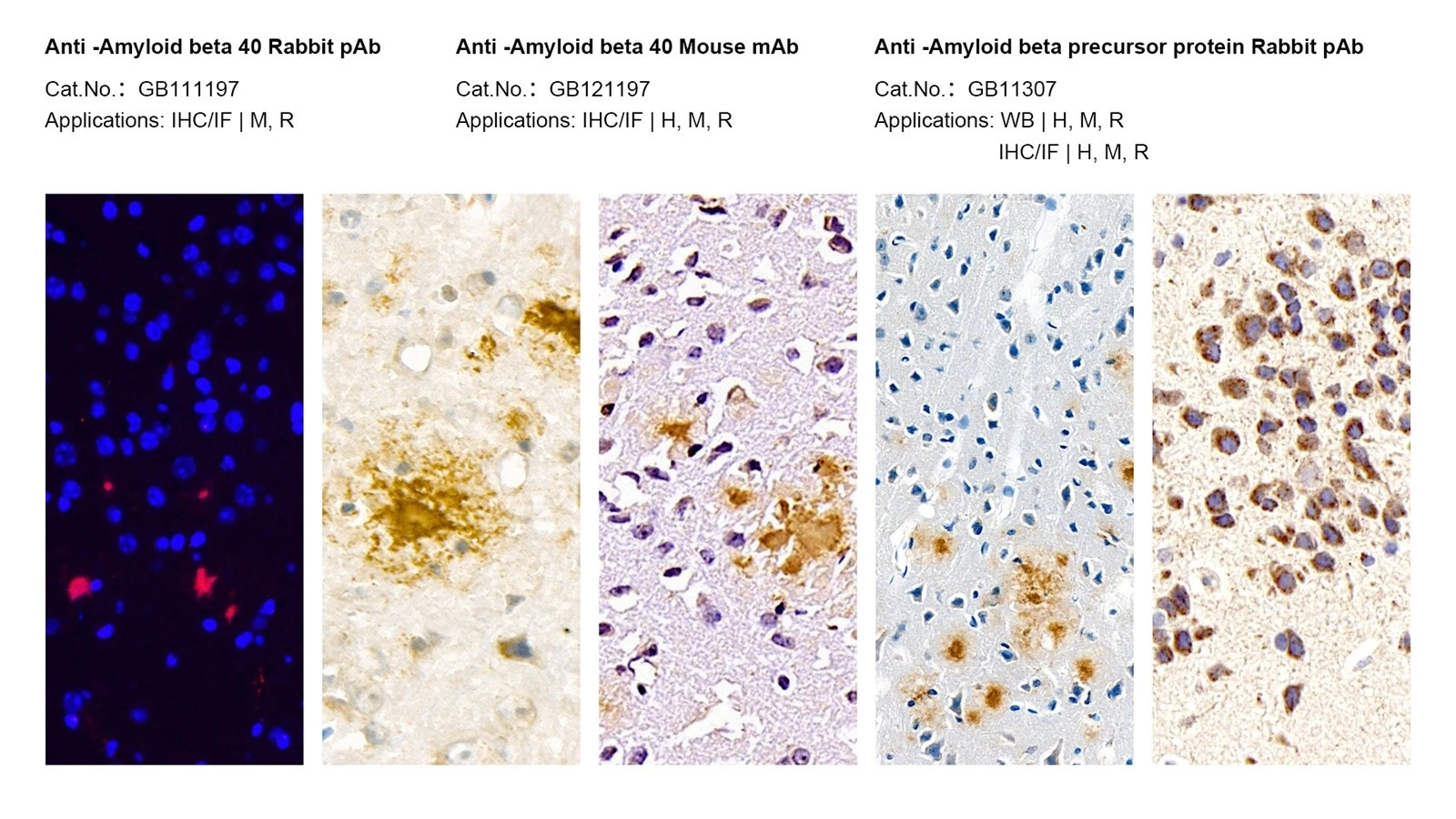
Note: Samples in Figures 1-4 are Servicebio mouse models of Alzheimer's disease
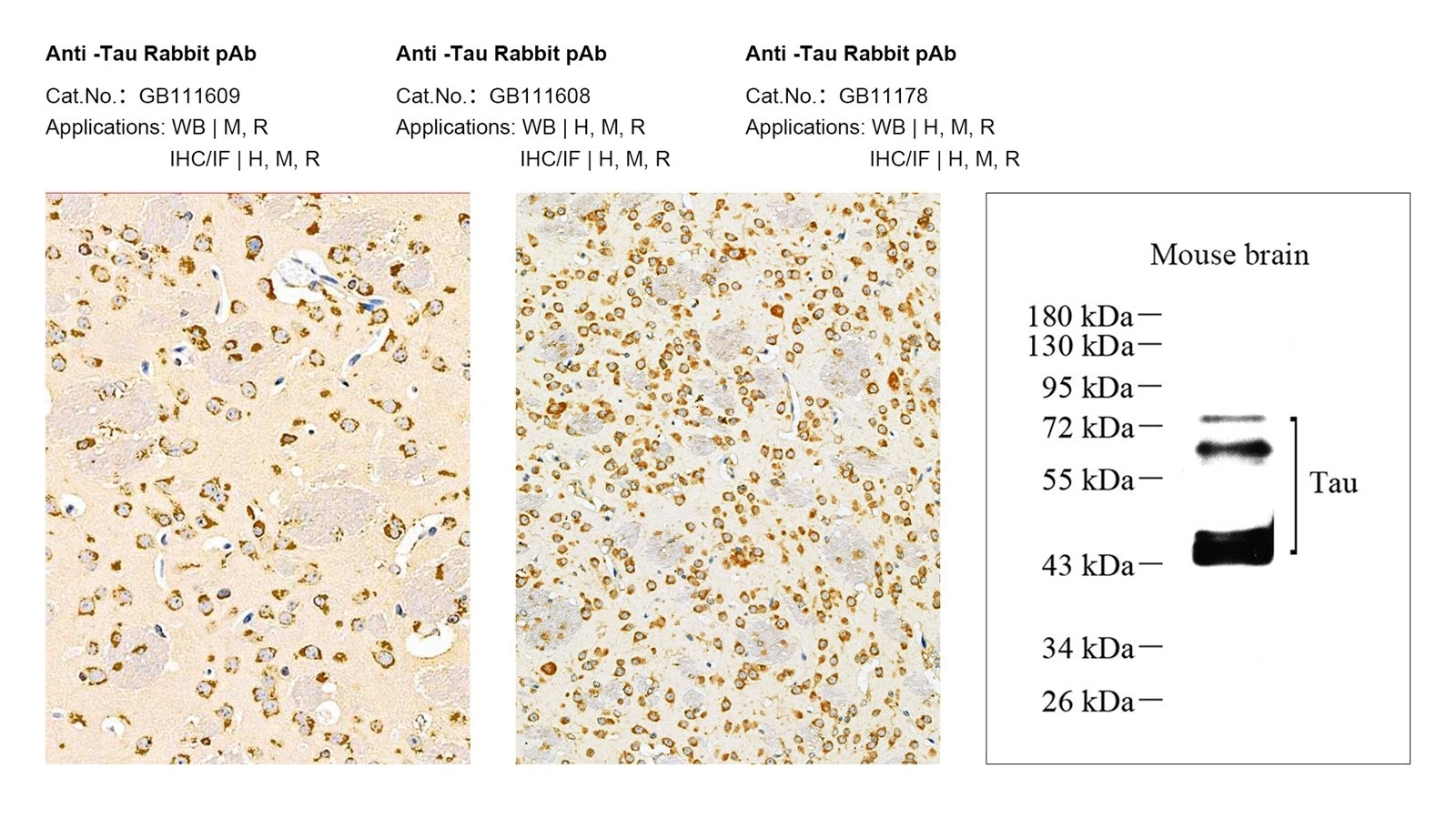
2. Tau
Tau protein is a scaffolding protein in the microtubule-binding protein family. In normal neurons, Tau proteins are mainly enriched around neuronal axons, and their functions include regulation, maintenance of microtubule stability, and assisting neuronal axonal transport.
3. Phospho-Tau
The presence of Tau protein phosphorylation sites in many pathological states has been confirmed in brain tissue from Alzheimer's patients. The more recognized phosphorylation sites include p-Tau(Thr181), p-Tau(Ser202), p-Tau(Thr231), and p-Tau(Ser404), etc.
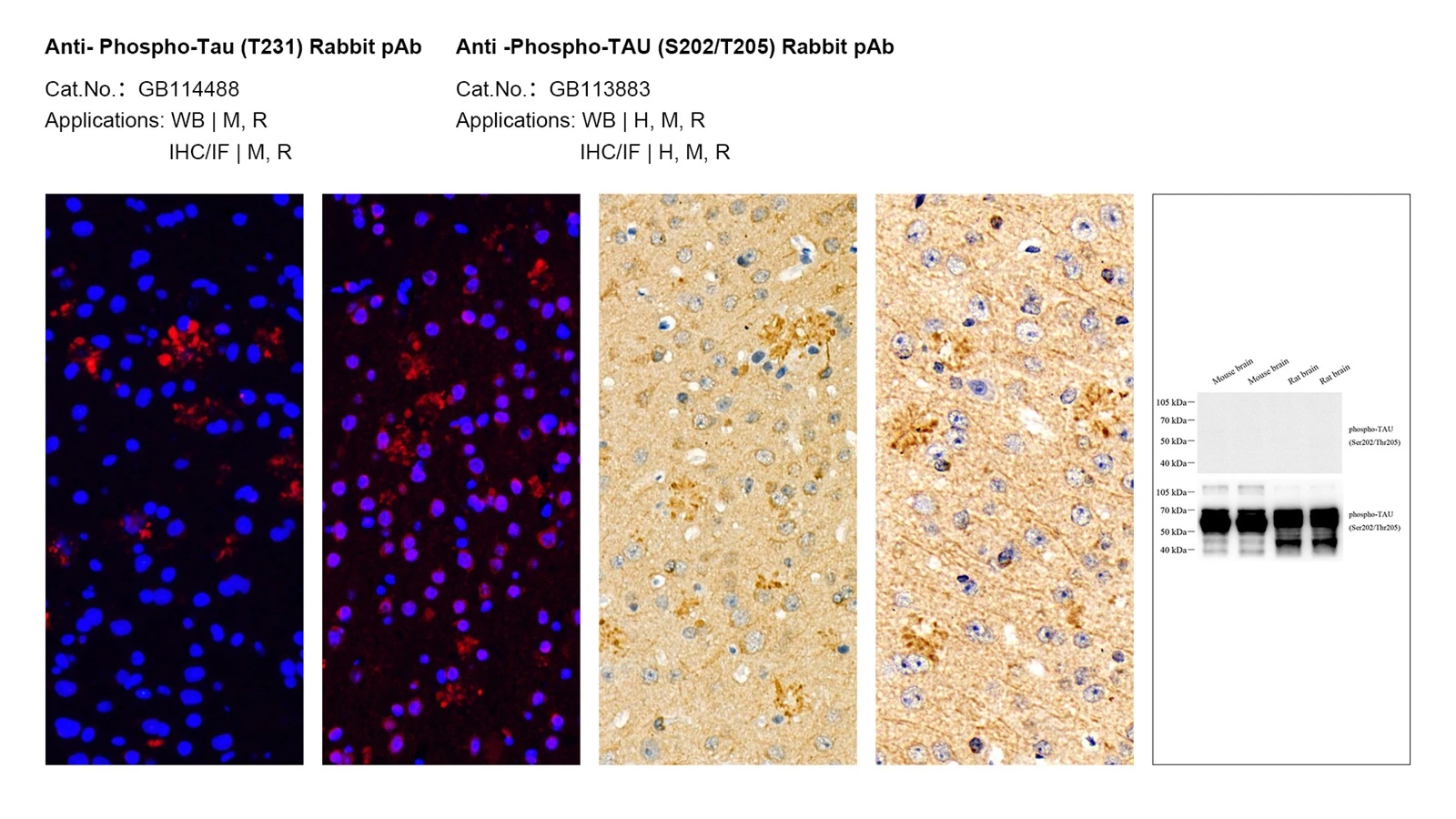
Note: Samples in Figures 1-4 are Servicebio mouse models of Alzheimer's disease
4. Alpha-synuclein
Alpha-synuclein is expressed primarily in the brain and is a major component of pathogenic Lewy bodies and Lewy neurons. Studies have shown that mutations in the Alpha-synuclein gene are associated with Parkinson's disease.
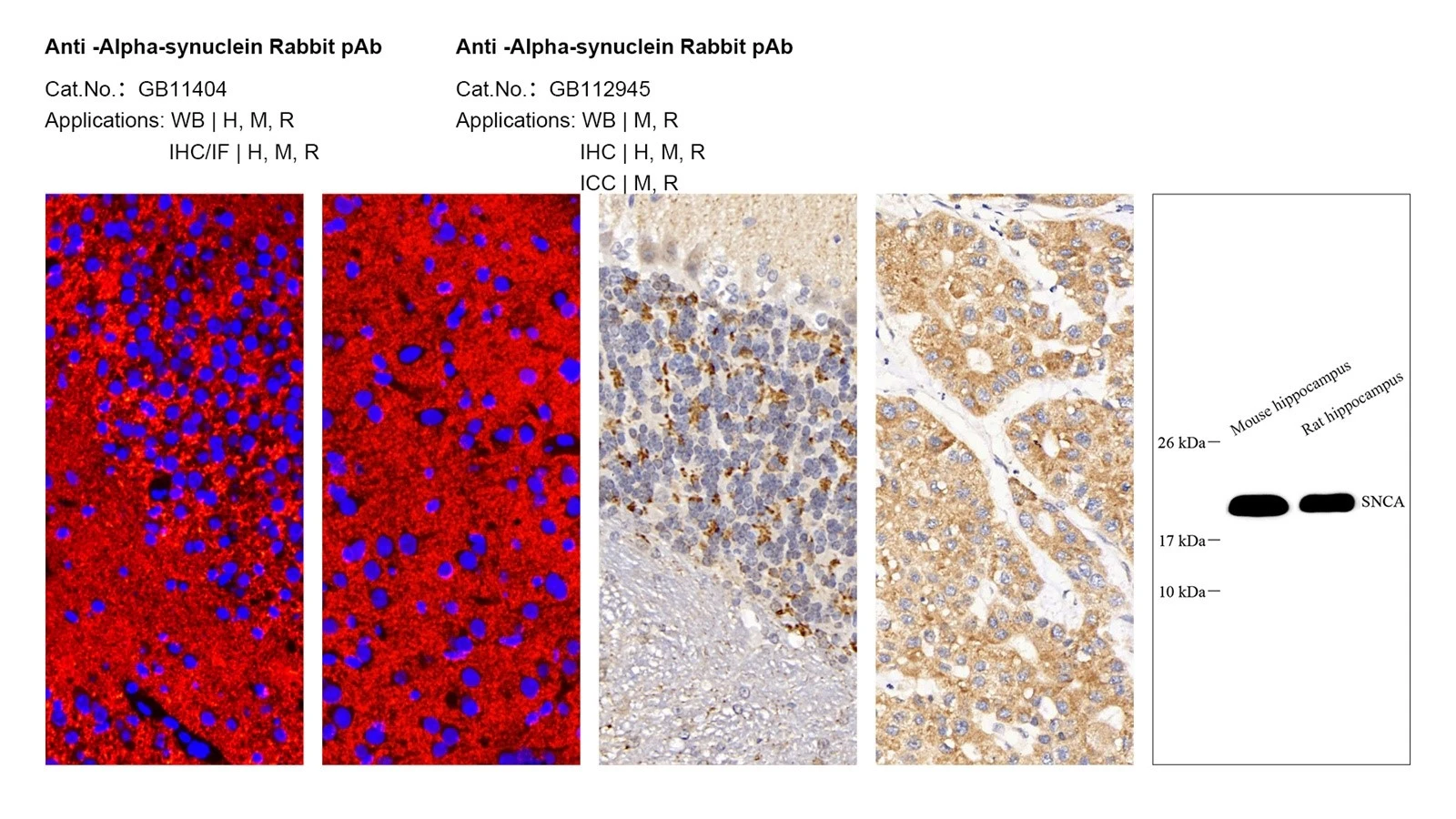
Note: Figure 1 sample is Servicebio mouse MTPT-induced Parkinson's disease model, Figure 2 sample is Servicebio mouse epilepsy model
5. Parkin
Parkin is a protein encoded by the PRKN gene. Parkin protein plays an important role in the ubiquitin-protein hydrolase complex pathway (UPP). Mutations in the Parkin gene have been found to cause autosomal recessive juvenile Parkinson's disease (AR-JP).
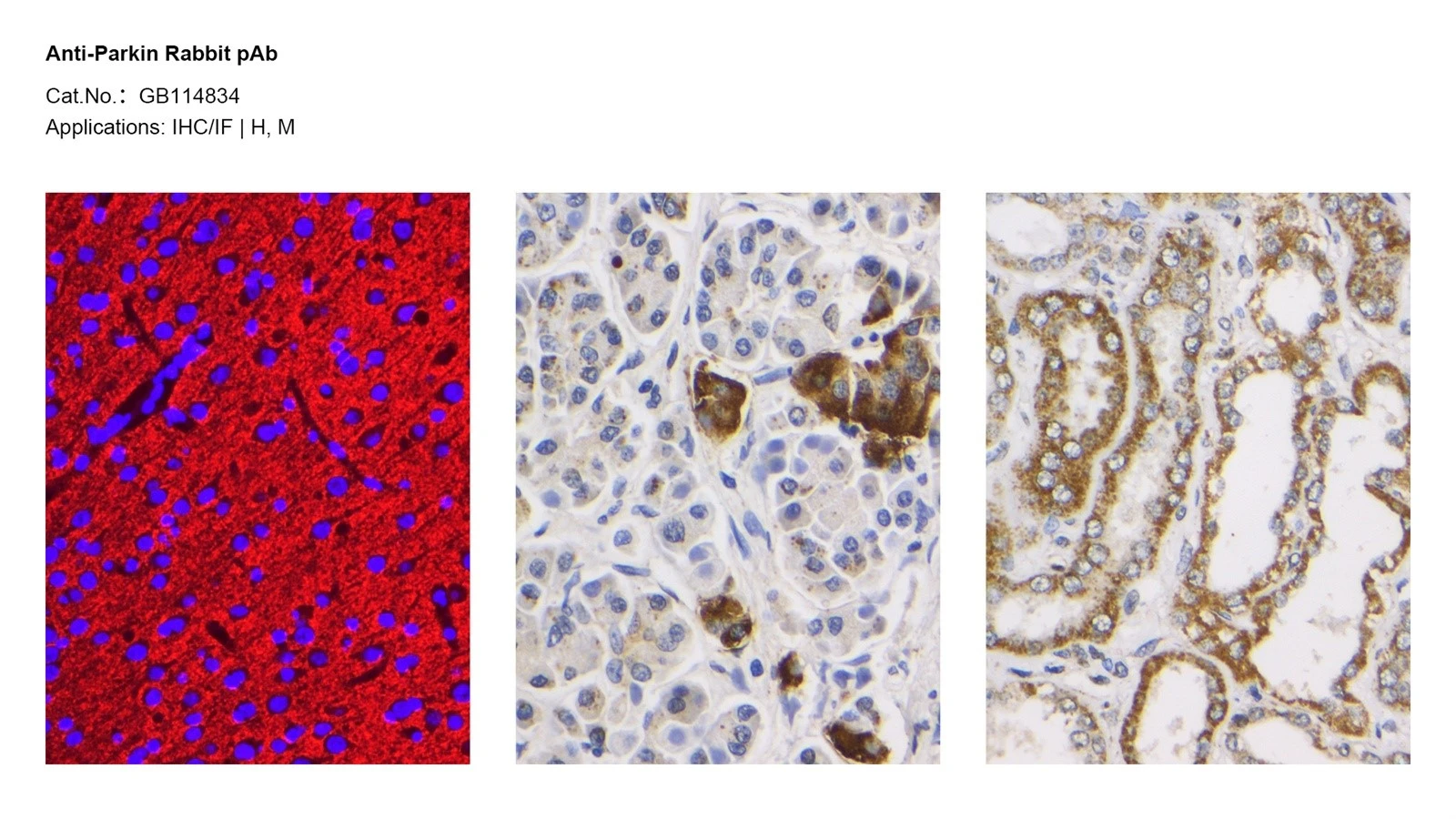
Note: Figure 1 sample is Servicebio mouse MTPT-induced Parkinson's disease model
Nerve Fibers and Neurotransmitters
1. TH (Tyrosine Hydroxylase)
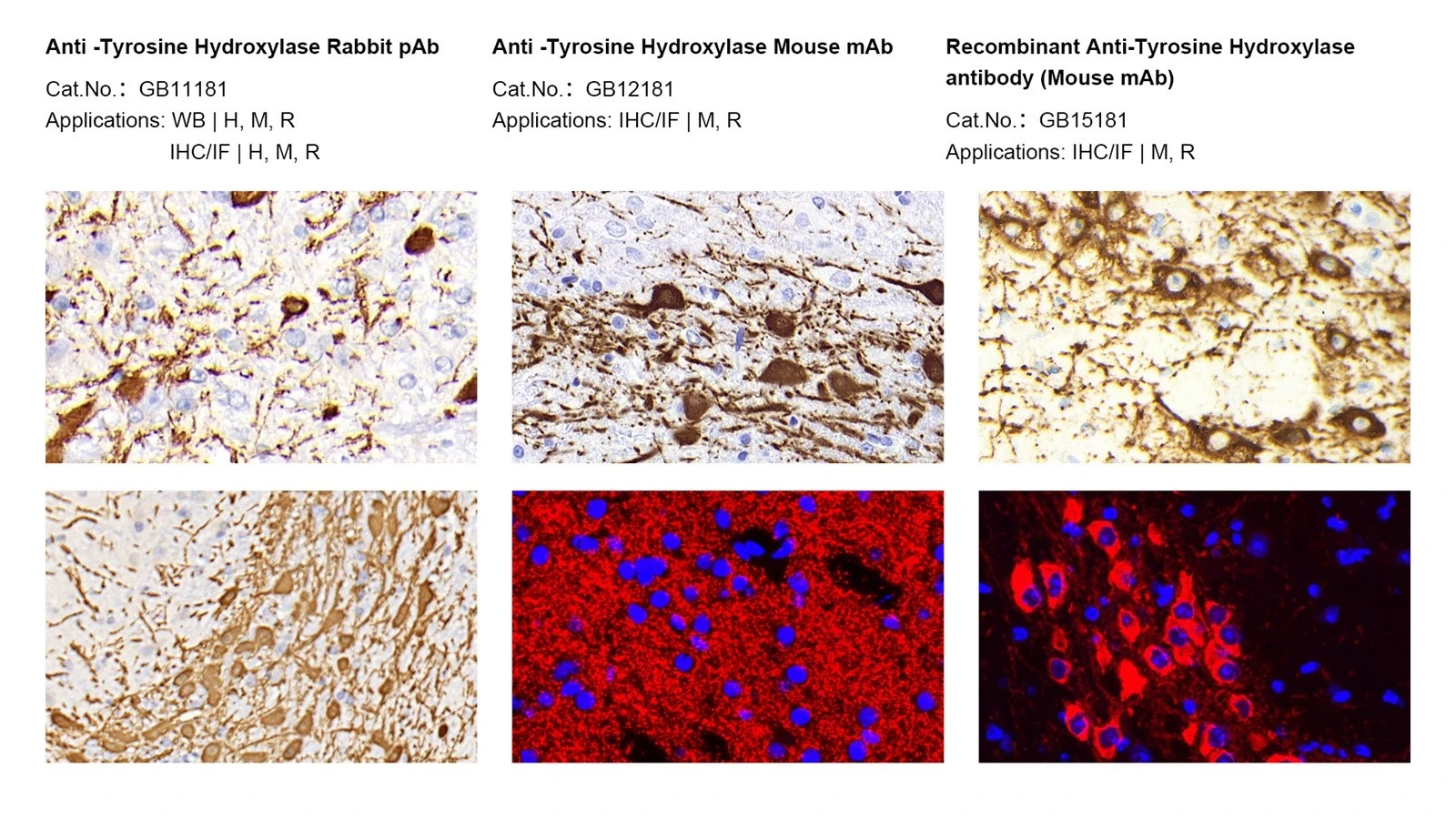
Tyrosine hydroxylase (TH) catalyzes the rate-limiting step in the synthesis of the neurotransmitter dopamine and other catecholamines. TH can be used as a sympathetic marker.
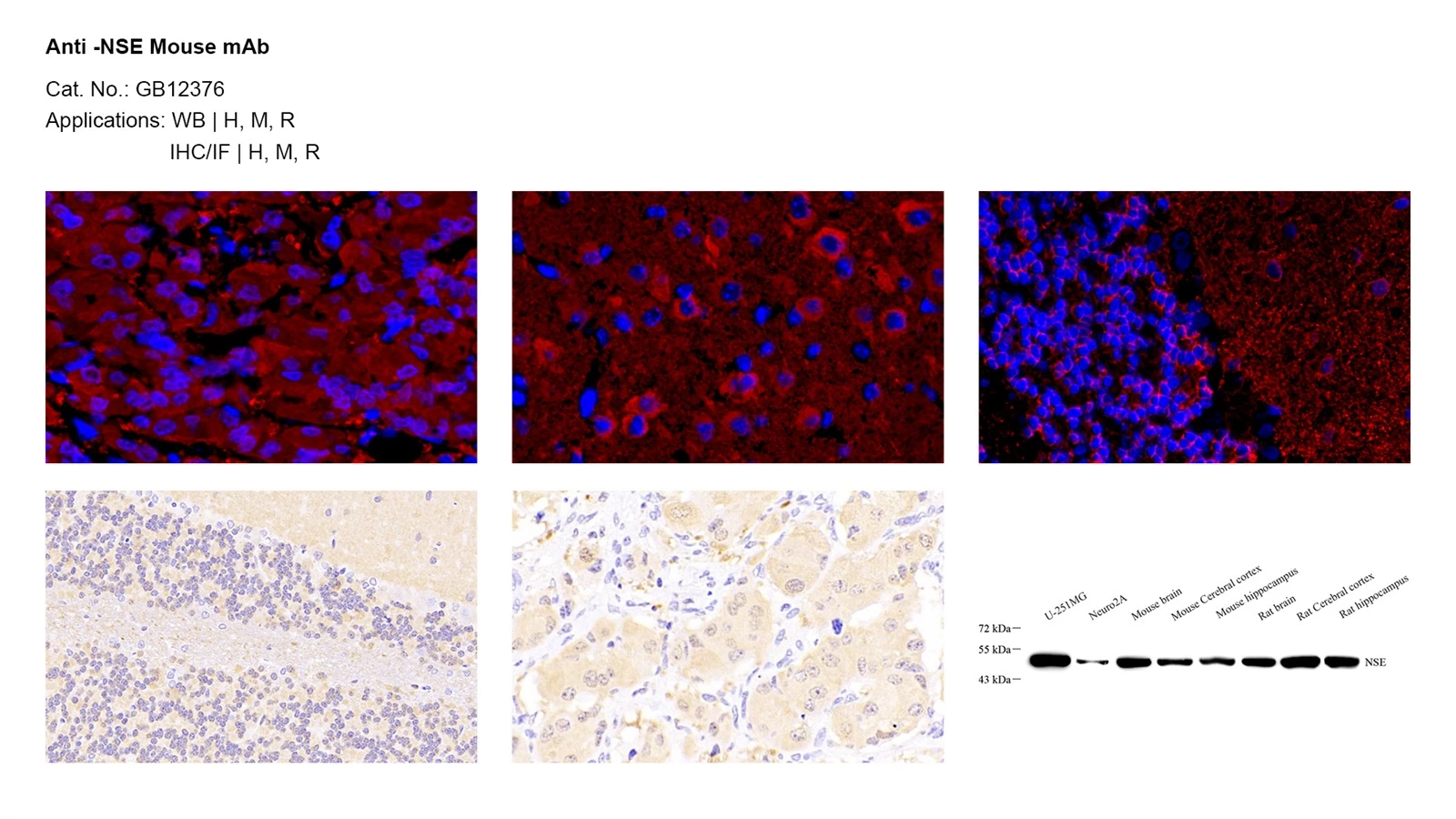
2. NSE
Neuron-specific enolase (NSE) is an enzyme specific to neurons and neuroendocrine cells. It has neurotrophic and neuroprotective properties for a wide range of central nervous system (CNS) neurons. As a sensitive indicator for evaluating the severity of nerve cell injury and judging the prognosis, NSE is widely used in various nerve injuries, such as cerebral hemorrhage, ischemia, hypoxia, infection, poisoning, and malnutrition. Meanwhile, the content of NSE in neuroendocrine cells is high.
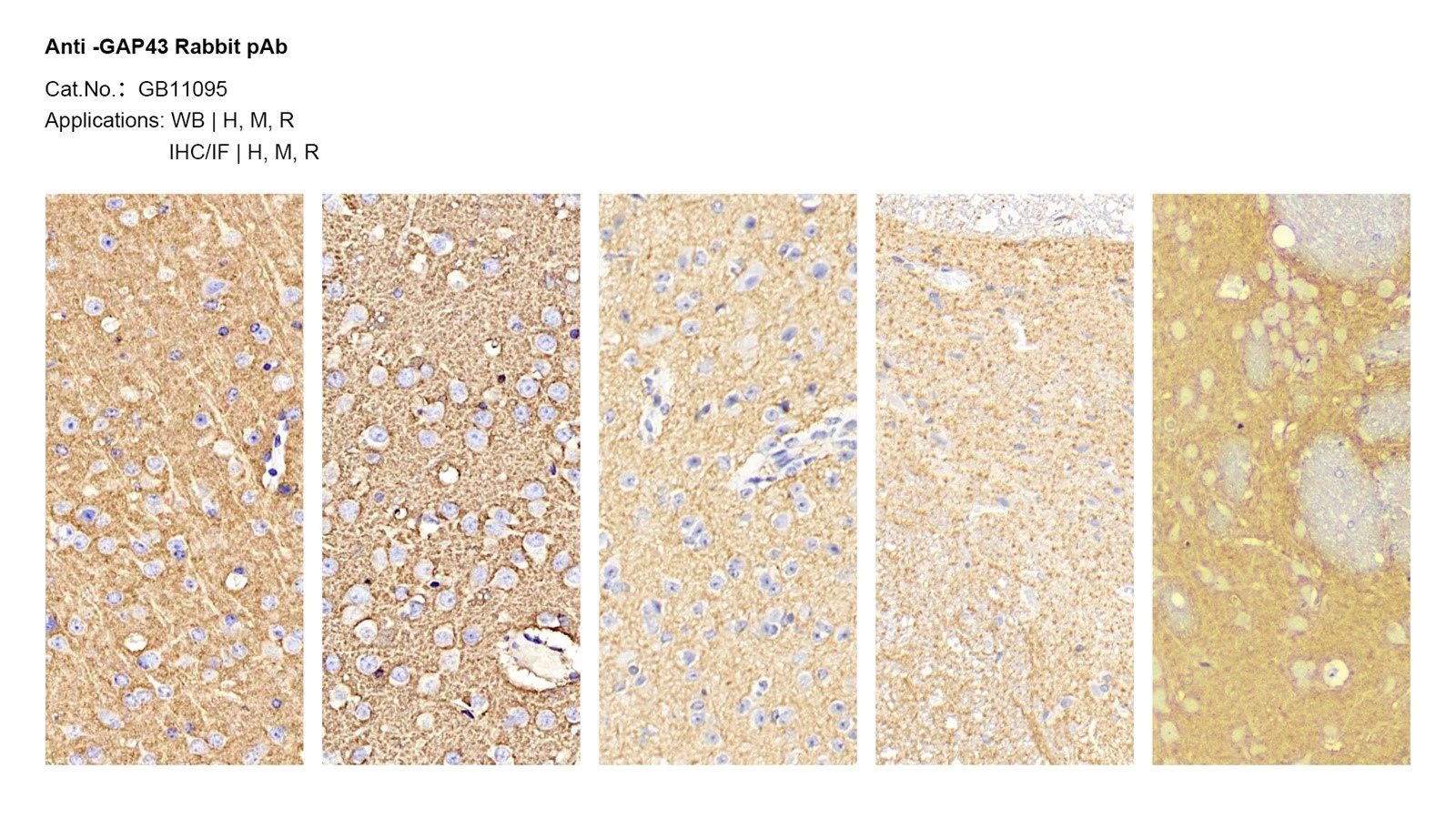
3. GAP43
Growth-associated protein 43 (GAP43) is a neuronal protein known for its important role in axon guidance and is a major structural protein of tumor microtubules (MTs). Abnormal expression of GAP43 has been seen in patients diagnosed with schizophrenia and Alzheimer's disease.
It has been shown that mitochondrial translocation of astrocytes is a mechanism that enhances glioblastoma (GBM) development, and that this translocation is dependent on the formation of intercellular junctions in the network between GBM cells and astrocytes, a process facilitated by GAP43.
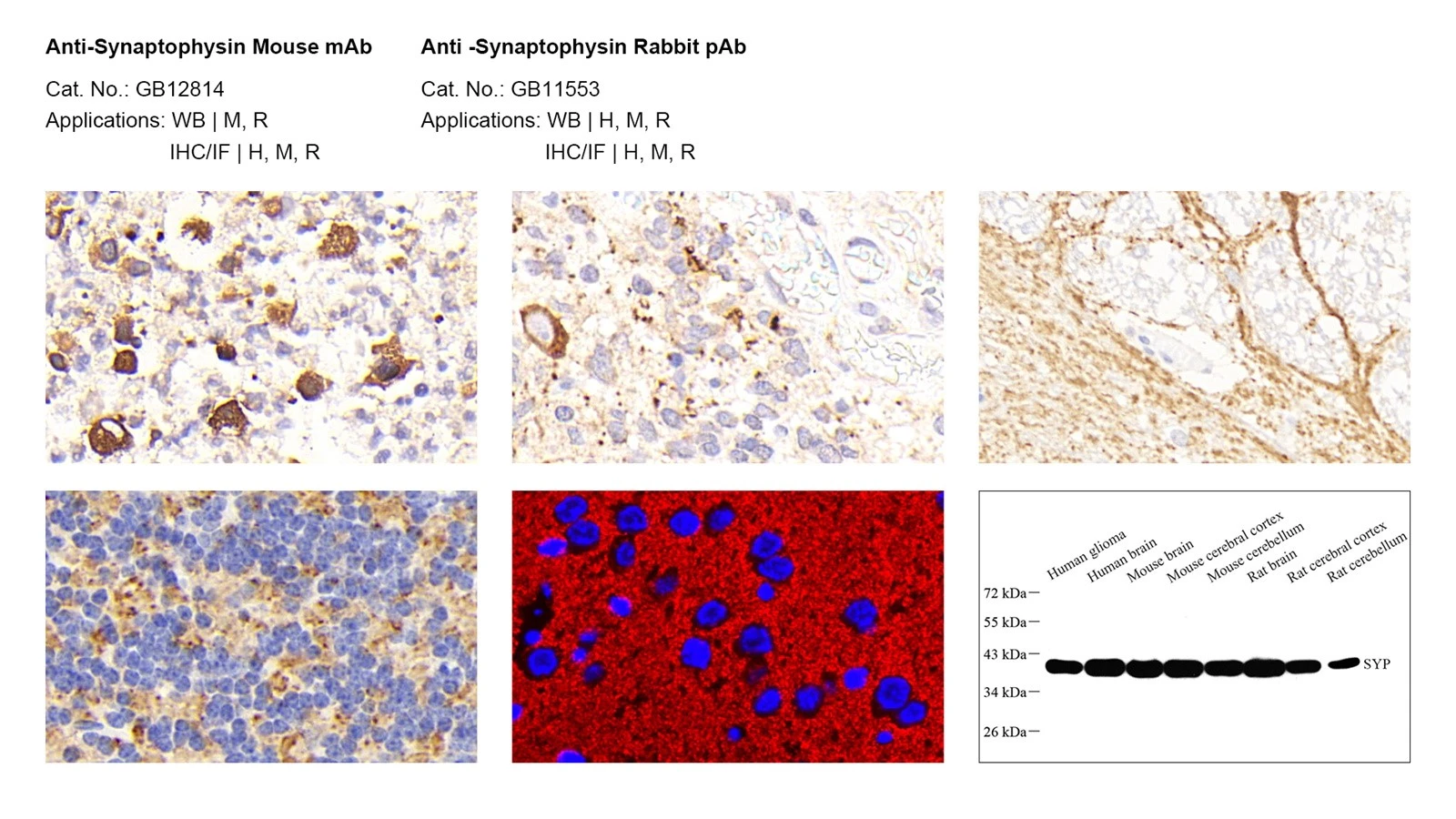
4. SYP (Synaptophysin)
Synaptophysin (SYP ), a membrane protein closely related to synaptic function, is positively expressed in almost all neuroblastomas, and is mostly used in the differentiation and diagnosis of neuroendocrine tumors.
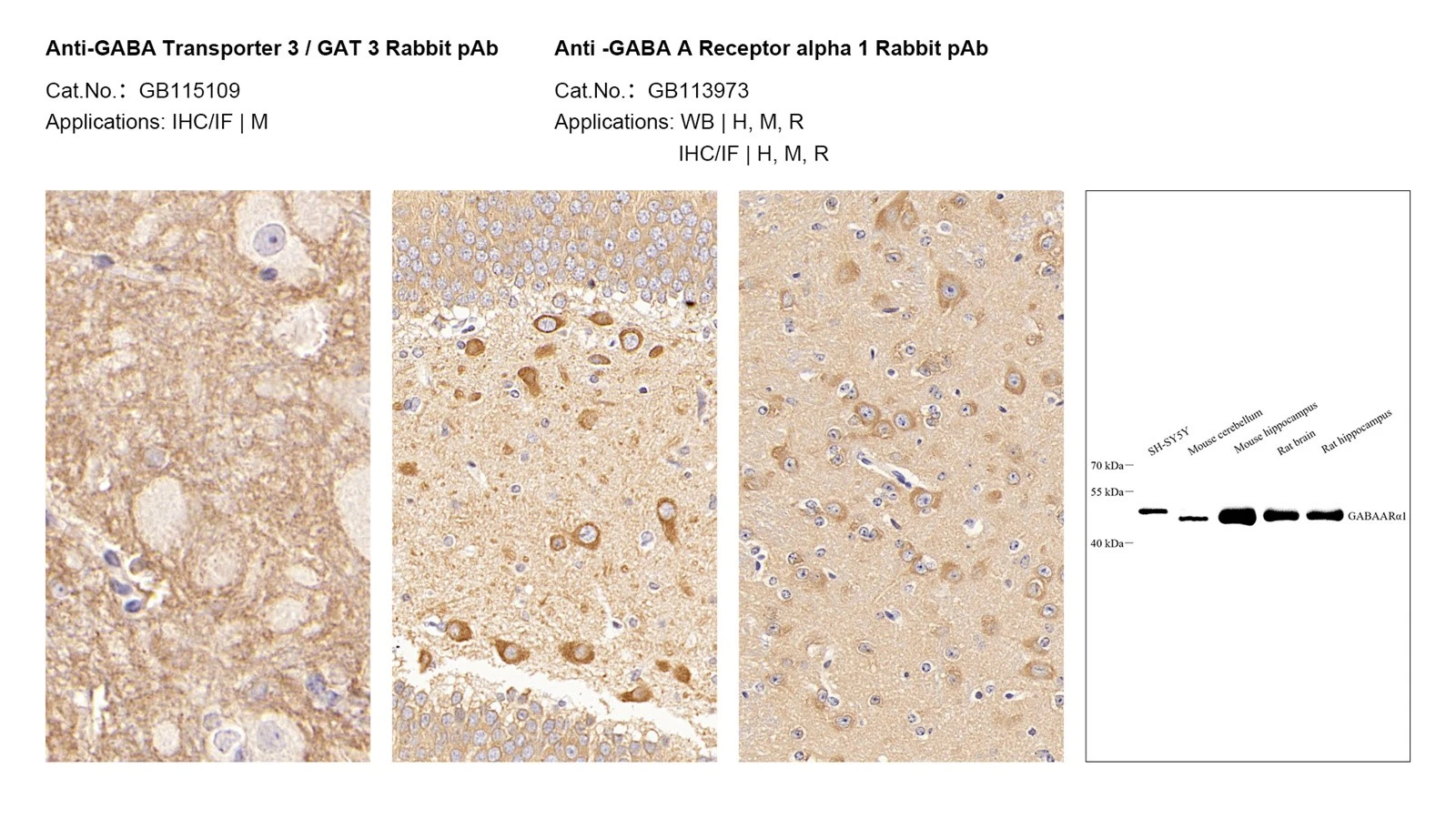
5. GABA
GABA, short for gamma-aminobutyric acid, is an important neurotransmitter in the central nervous system that regulates neuronal excitability and the secretion of other neurotransmitters through GABA receptors. GABA is an inhibitory neurotransmitter that has an effect on learning and memory as well as sleep.
GABA is produced from glutamate by the action of glutamic acid decarboxylase (GAD) and is catabolized and metabolized by GABA transcarbamylase (GABA-T), which, after its release from vesicles at the presynaptic terminus, activates GABA receptors, including activation of the GABAA receptor (type A GABA receptor) and the GABAB receptor (type B GABA receptor) . Finally, the released GABA is taken up by GABA transporter proteins (GAT-1 and GAT-3) back into the presynaptic compartment of the neuron or into the astrocyte.
The most abundant and important of the GABA receptors are GABAA receptors, and defects in the function of this class of receptors lead to corresponding neuropsychiatric dysfunctions, including epilepsy, anxiety, and insomnia.
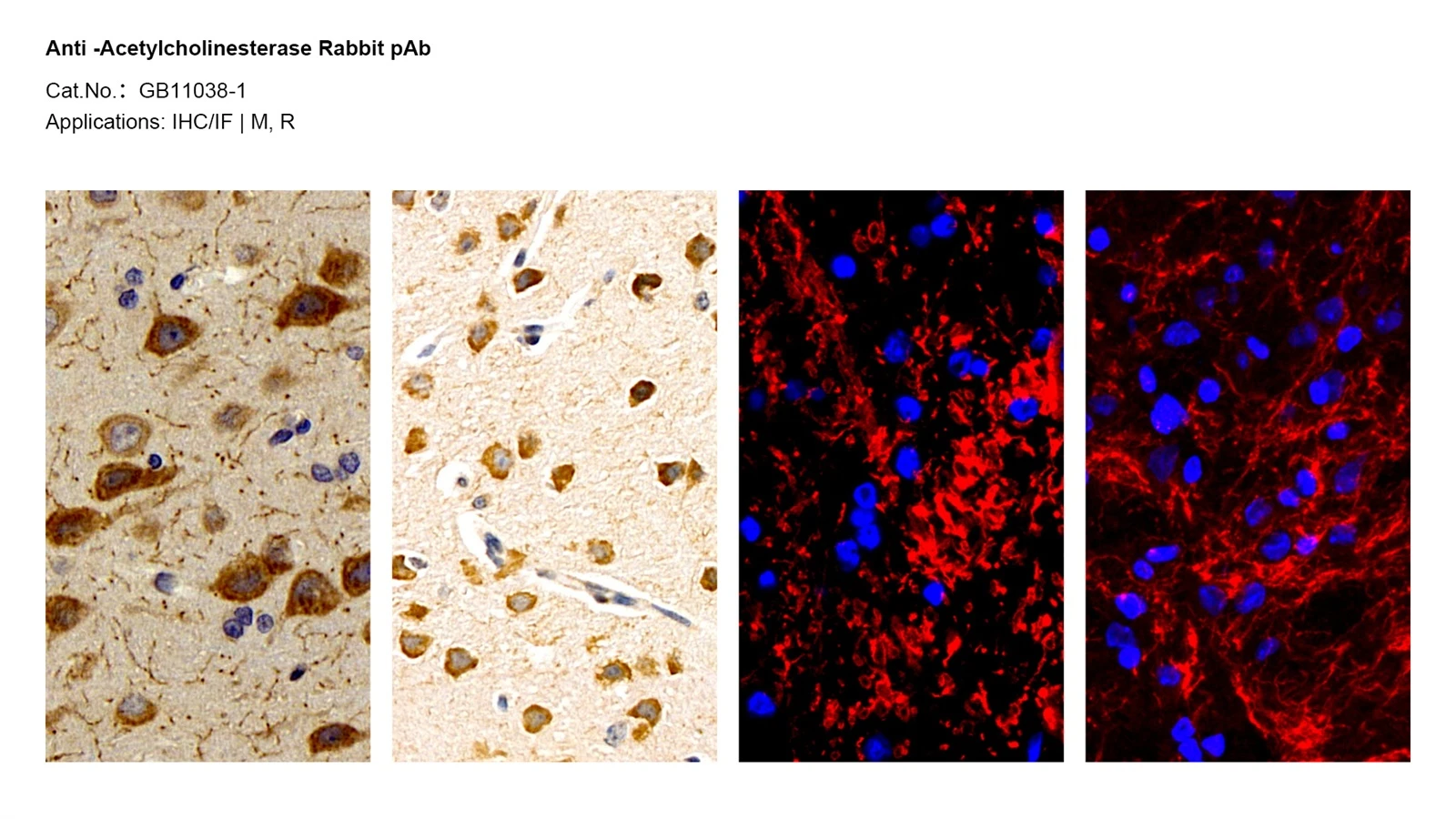
6. AchE (Acetylcholinesterase)
Acetylcholinesterase, also known as AchE, is an enzyme that degrades acetylcholine (ACh) between cholinergic synapses, terminating the excitatory effects of neurotransmitters on the postsynaptic membrane and ensuring the normal transmission of nerve signals in the organism. Acetylcholinesterase is involved in cell development and maturation, and can promote neuronal development and nerve regeneration.