
Cardiovascular diseases (CVD) is a major health problem that has long threatened the life and health of the population, and its death toll occupies the first place of diseases in China.
Cardiovascular disease biomarkers play an increasingly important role in the screening, differential diagnosis, risk stratification, treatment prognosis and follow-up evaluation of CVD.
In this issue, cardiovascular-related antibody indicators will be presented to aid scientific research!
Cardiovascular Related Antibody Indicators
1. Vascular Related Markers
CD31, CD105, α-SMA
2. Myocardium Related Markers
Myo, cTnT, cTnI, ACTN1, ACTC1, Desmin, CASQ2, NPPA, CX43, N Cadherin
3. Heart Disease Related Markers
Neutrophils: MPO, Ly6g
Macrophages (inflammation and atherosclerosis): CD68, CD163, CD206, F4/80
T-lymphocytes: CD3, CD8
B lymphocytes: CD20
Apoptosis-related proteins: c-caspase 3, Bcl-2
Autophagy-related protein: Beclin 1
Note: Servicebio's antibodies may only be used in scientific research.
※ Vascular Related Markers
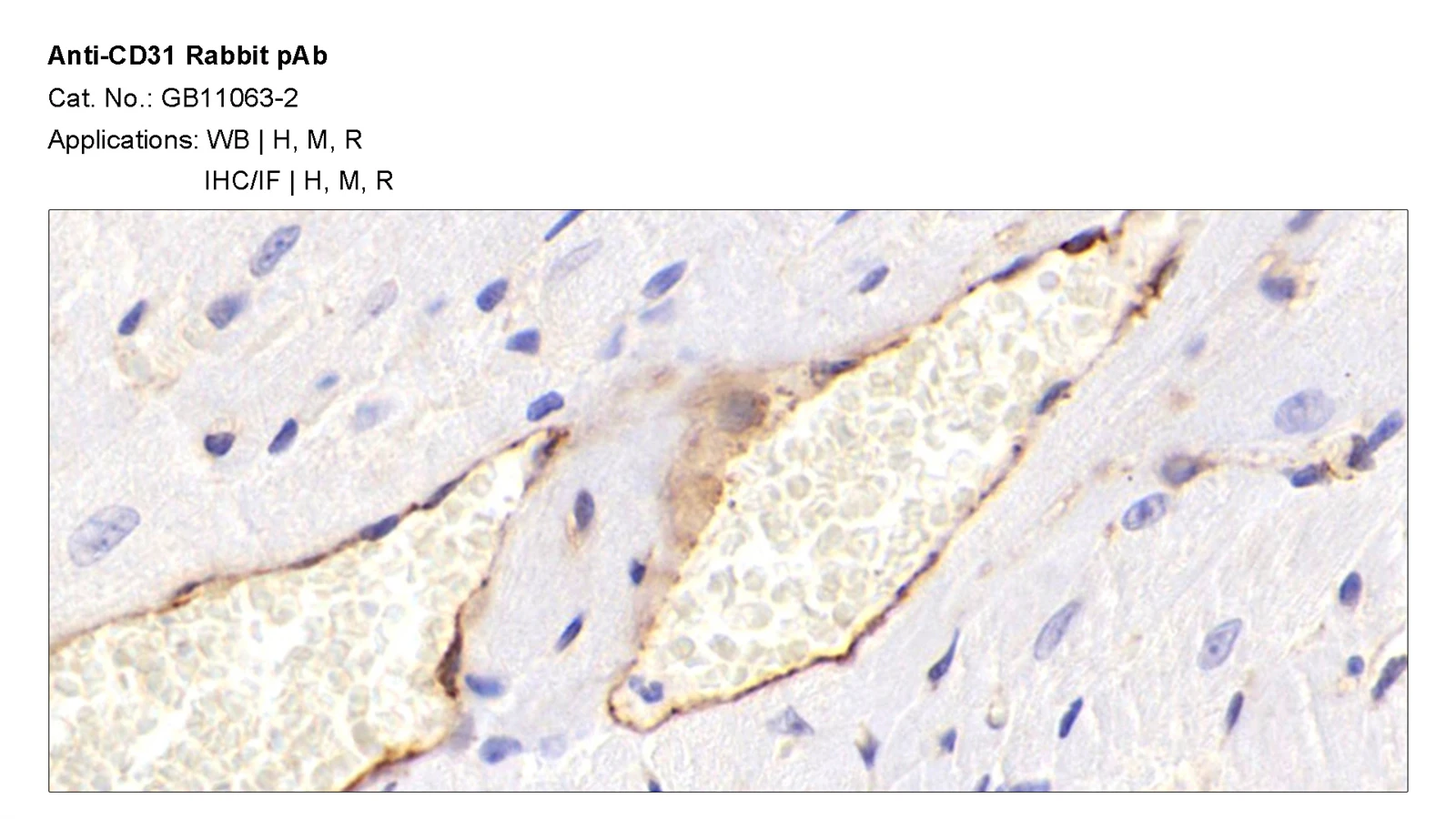
1. CD31 Cat. No.: GB11063-2
CD31 is a highly glycosylated Ig-like membrane receptor expressed by leukocytes, platelets, and endothelial cells and is the most abundant membrane glycoprotein constitutively expressed on vascular endothelium.
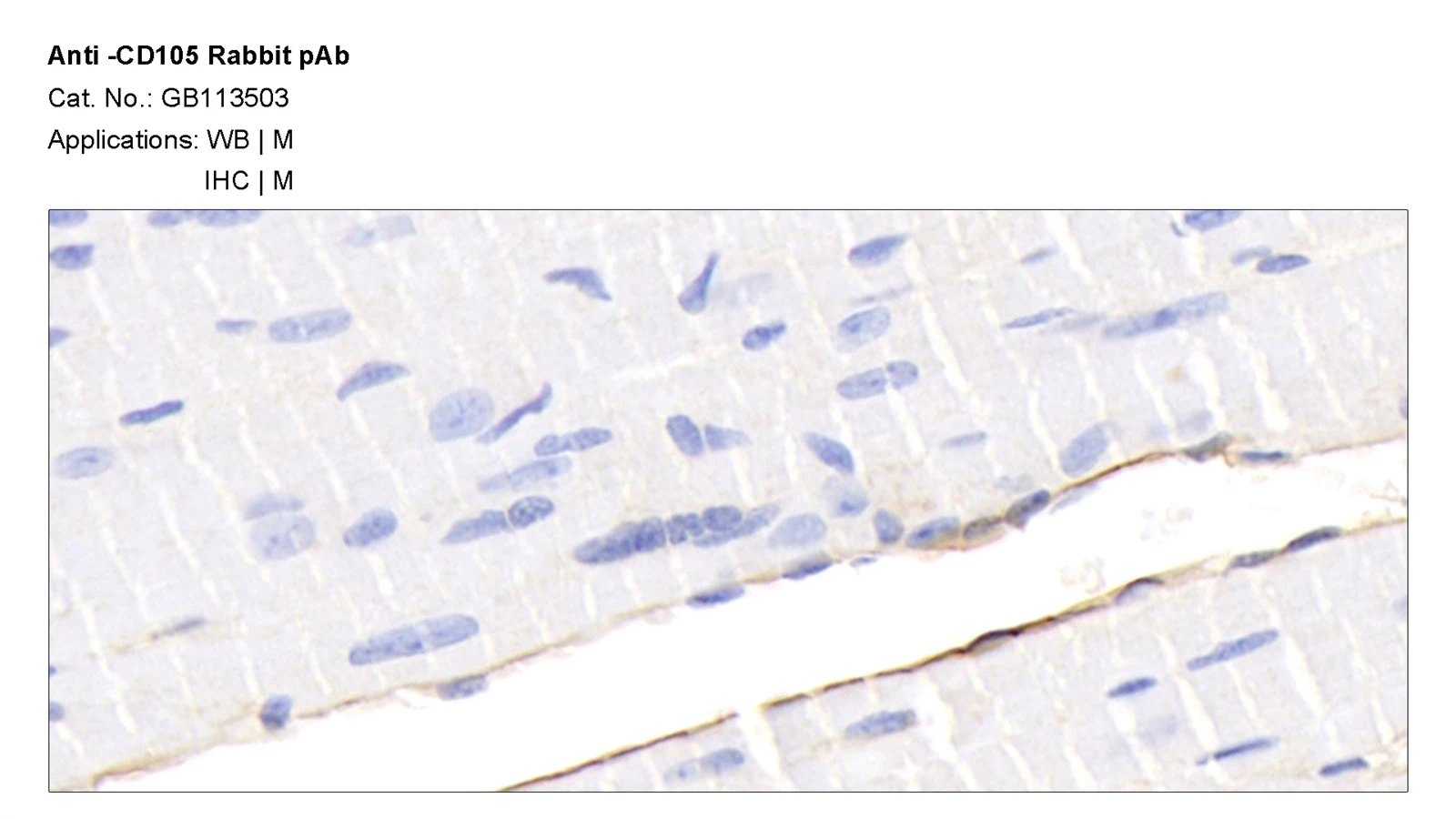
2. CD105 Cat. No.: GB113503
Endoglin, also known as CD105, is a type I transmembrane glycoprotein located on the surface of the cell membrane and is one of the TGF β receptor complexes. It is mainly expressed in vascular and connective tissues, epithelial cells and mesenchymal cells. Endoglin expression is regulated during cardiac development.
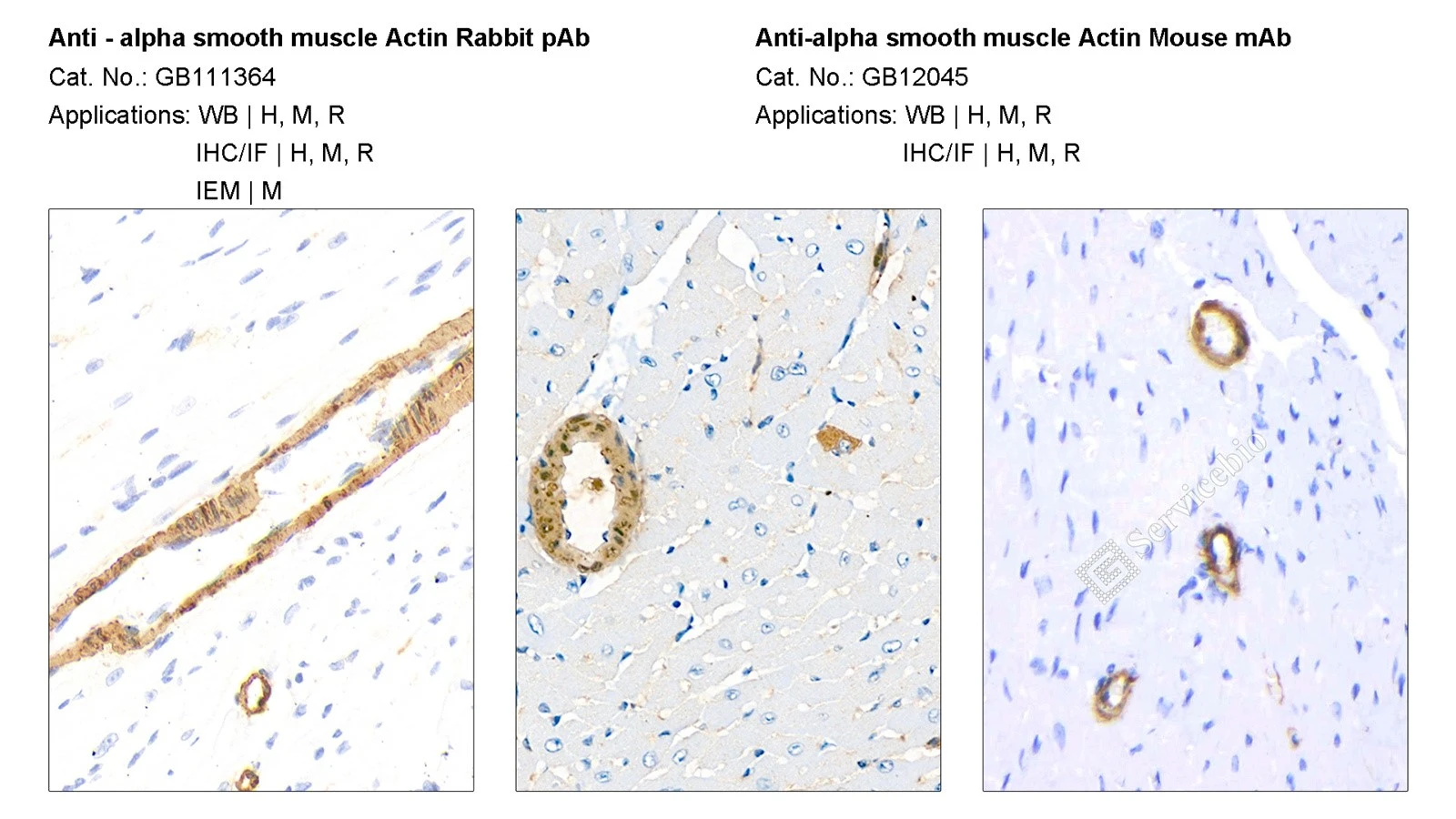
3. α-SMA Cat. No.: GB111364 / GB12044 / GB12045
Under pathological conditions, excessive collagen deposition occurs in the myocardial interstitium, causing cardiac fibrosis. Cardiac fibrosis is a common feature of several cardiovascular diseases and eventually leads to heart failure. Transdifferentiation of cardiac fibroblasts (CFs) to myofibroblasts is an important pathological process in cardiac fibrosis. After transdifferentiation, myofibroblasts highly express the characteristic α-smooth muscle actin (α-SMA) and have an increased ability to synthesize and secrete extracellular matrix, thus promoting cardiac fibrosis.
※ Myocardial Related Markers
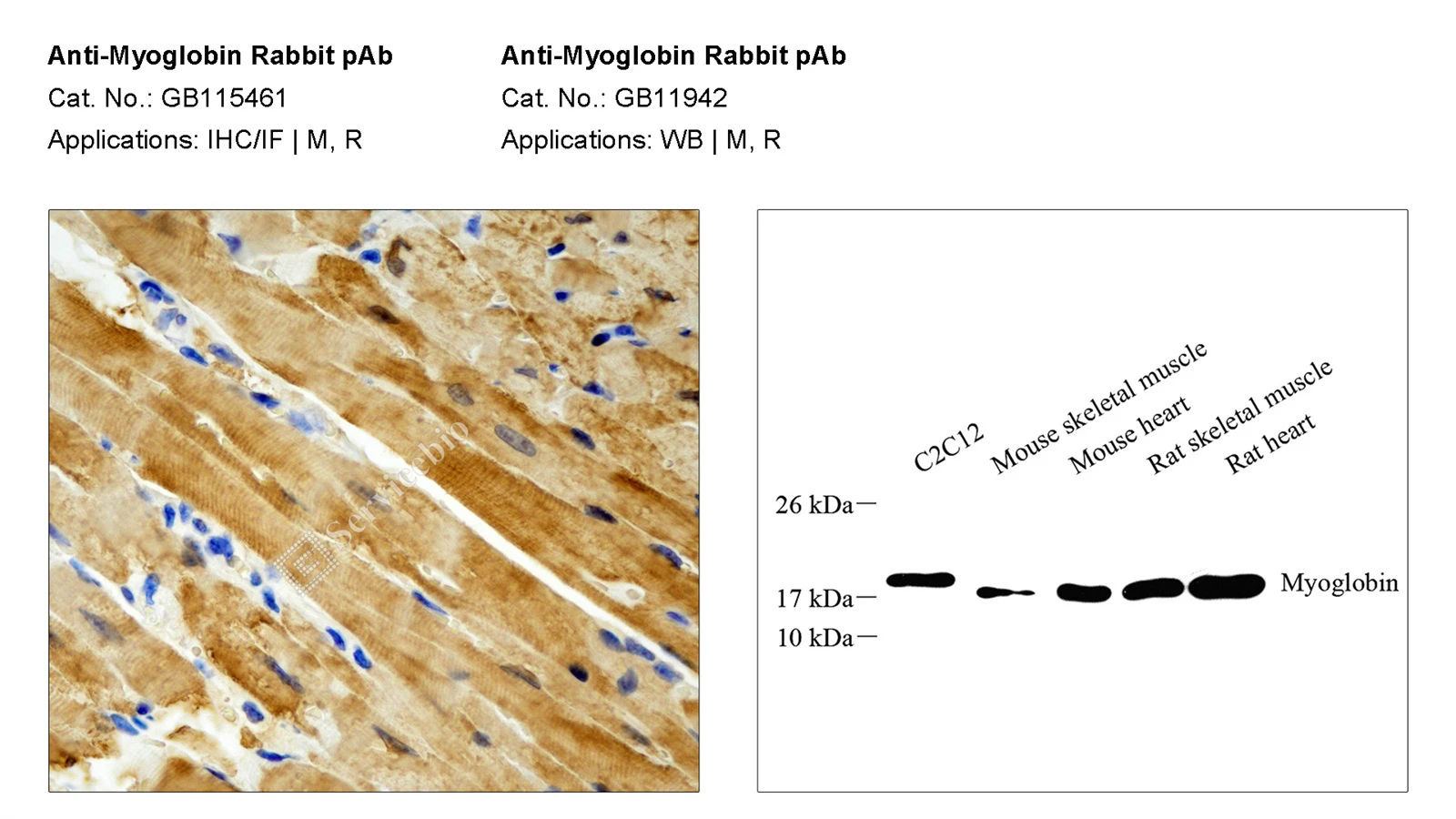
1. Myo (Myoglobin) Cat. No.: GB115461 / GB11942
Myoglobin (Myo) is a heme-containing respiratory protein, which is abundant in cardiomyocytes, and is rapidly released after myocardial necrosis, starting to rise in 1 to 2 hours and peaking in 6 to 9 hours, and has high sensitivity, especially 6 to 12 hours negative as a basis for ruling out the diagnosis of acute myocardial infarction has a good role.
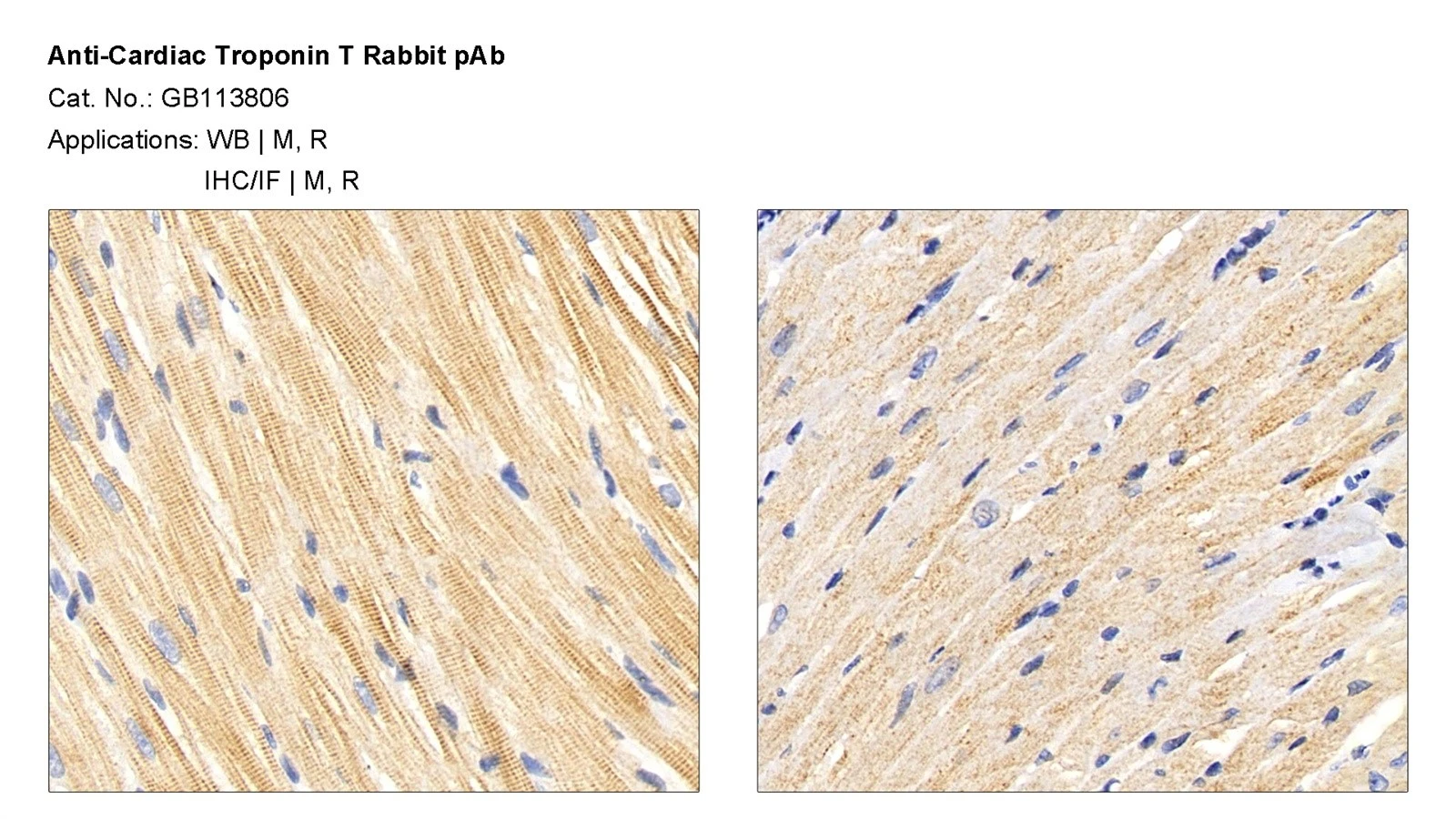
2. cTnT (Cardiac Troponin T) Cat. No.: GB113806
Troponin (cTN) is a contraction-regulating protein found in myofilaments of myocardial myofibrils and consists of three subunits, cTNI, cTNC, and cTNT. cTNT (troponin T) is found in 92% to 98% of the myofilaments of cardiac contractile units.
cTNT (troponin T) is found in 92% to 98% of the myofilaments of myocardial contractile units. cTNT is released when myofilaments are degraded in acute myocardial infarction.
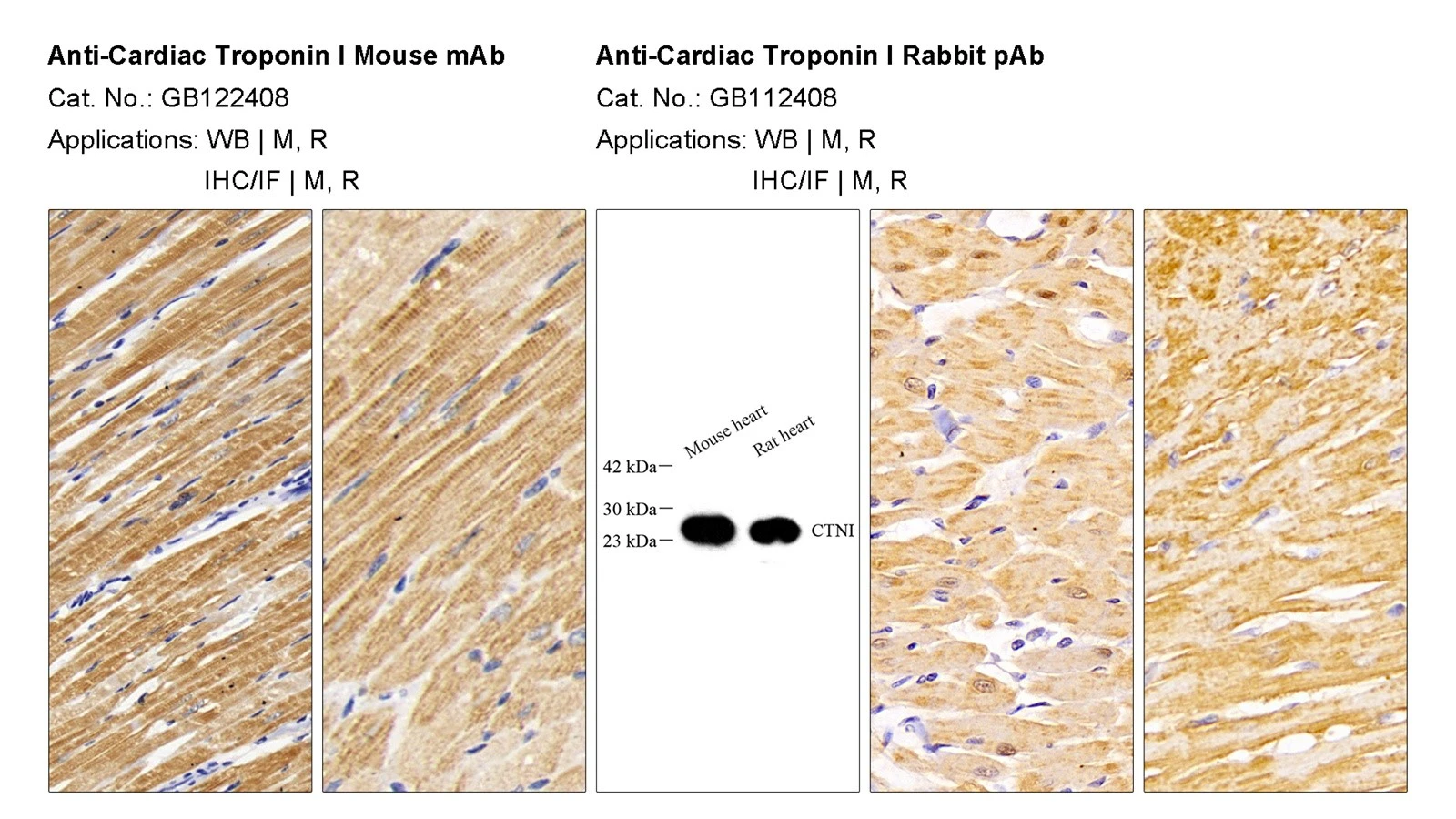
3. cTnI (Cardiac Troponin I) Cat. No.: GB122408 / GB112408
cTnI (troponin I) is a unique antigen of the myocardium and is highly specific for myocardial injury.
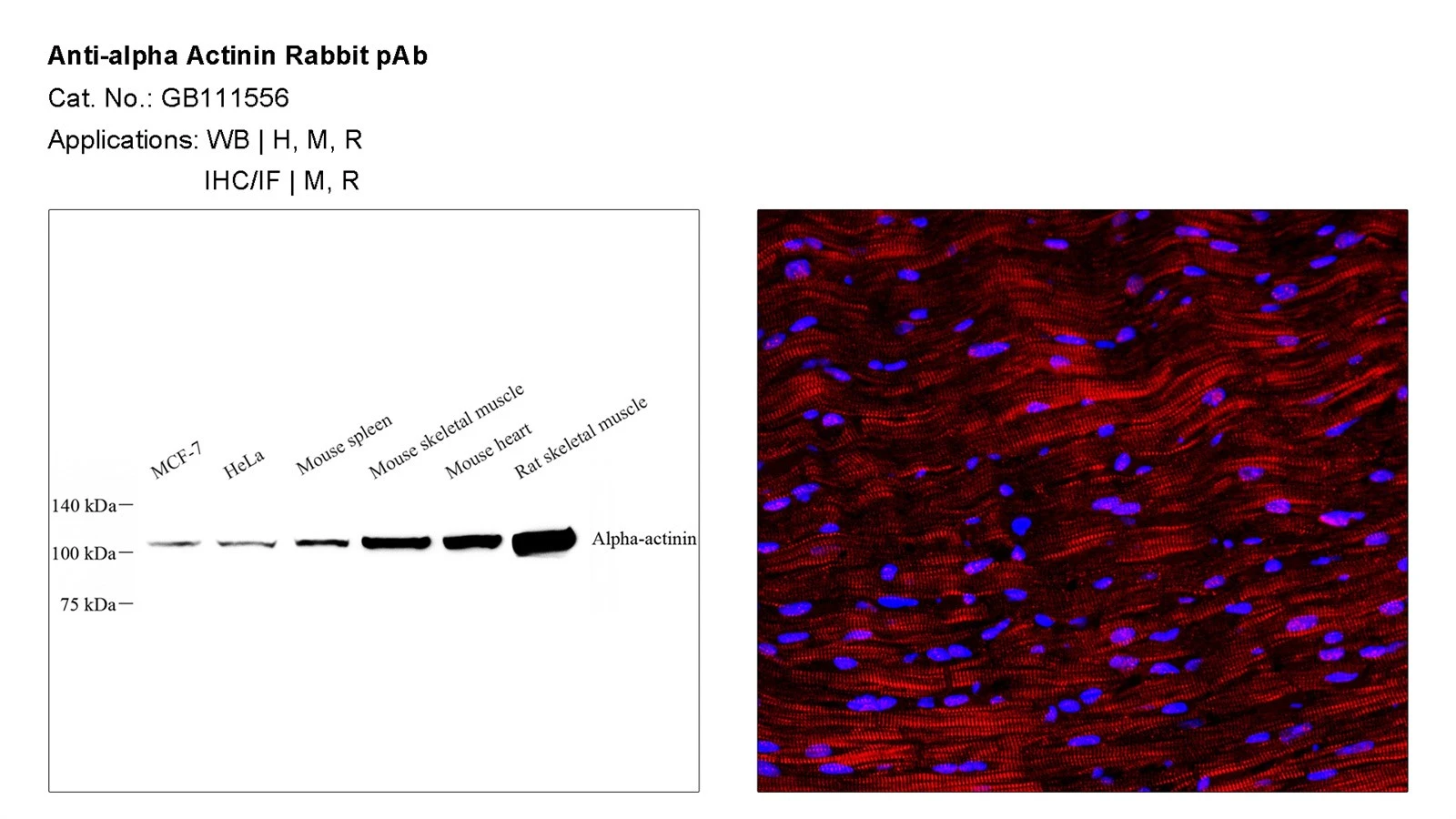
4. ACTN1 (alpha Actinin) Cat. No.: GB111556
Alpha-actin is widely distributed in almost all muscle tissue cells. Dysfunction of actin leads to certain types of heart disease.
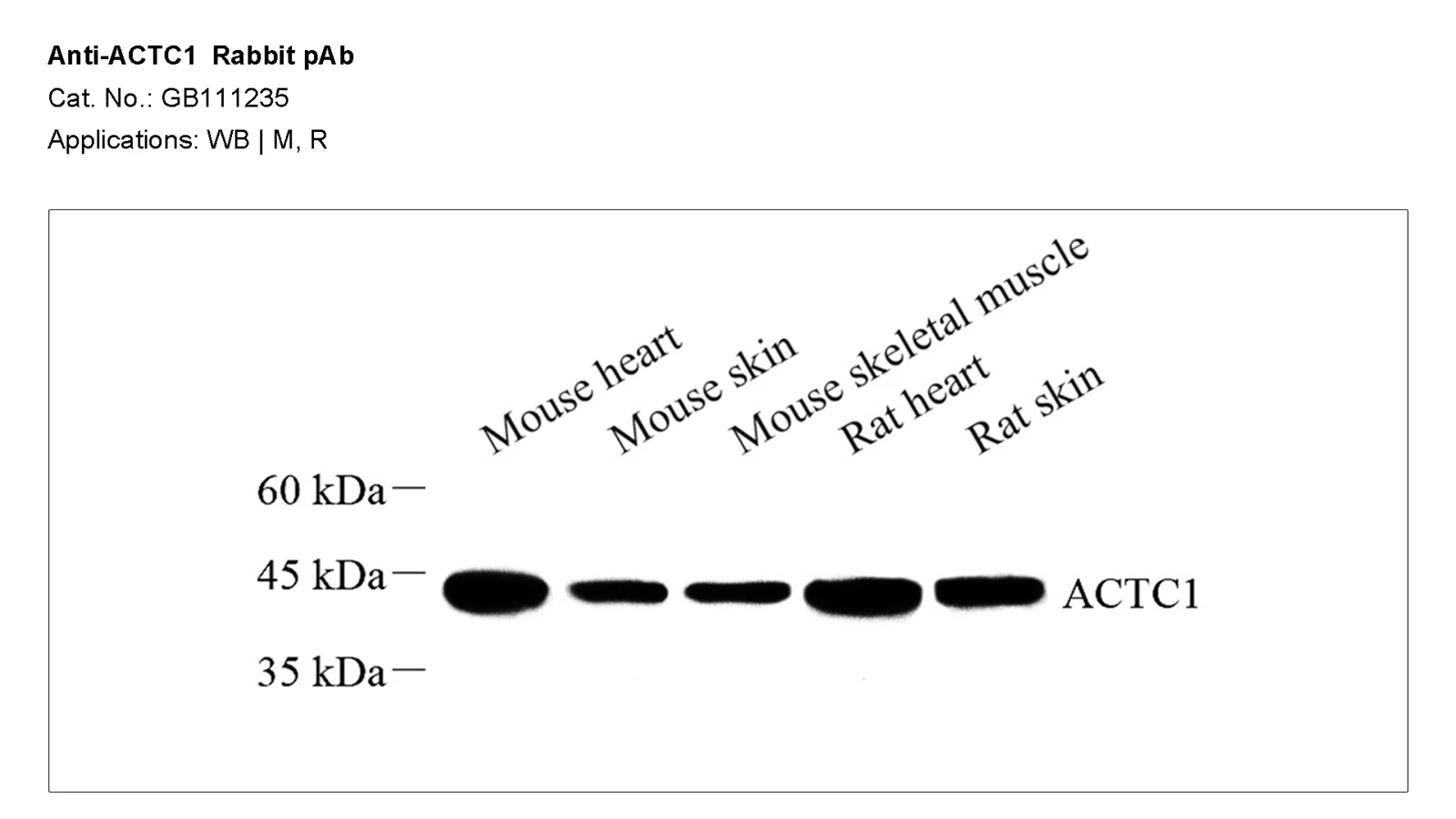
5. ACTC1 Cat. No.: GB111235
The ACTC1 gene encodes cardiac alpha-actin, the major actin isoform in the adult heart, which interacts with a variety of proteins to produce the force of muscle contraction.
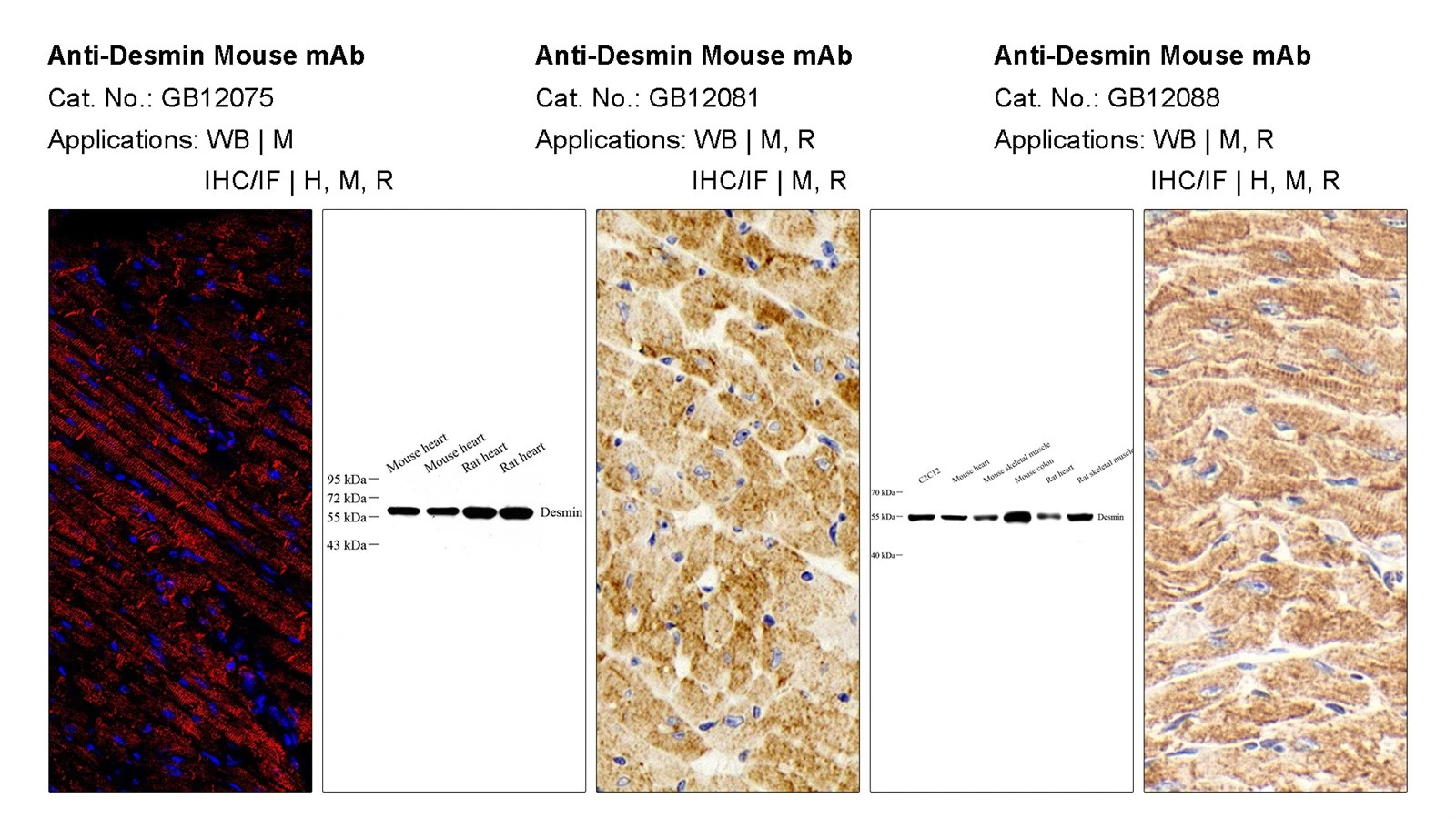
6. Desmin Cat. No.: GB12075 / GB12081 / GB12088
Desmin is the major intermediate filament protein in skeletal and cardiac muscle cells and is essential for both structural integrity and survival of muscle cells. As an abundant muscle-specific protein, desmin has been widely used as a marker for muscle-derived tumors.
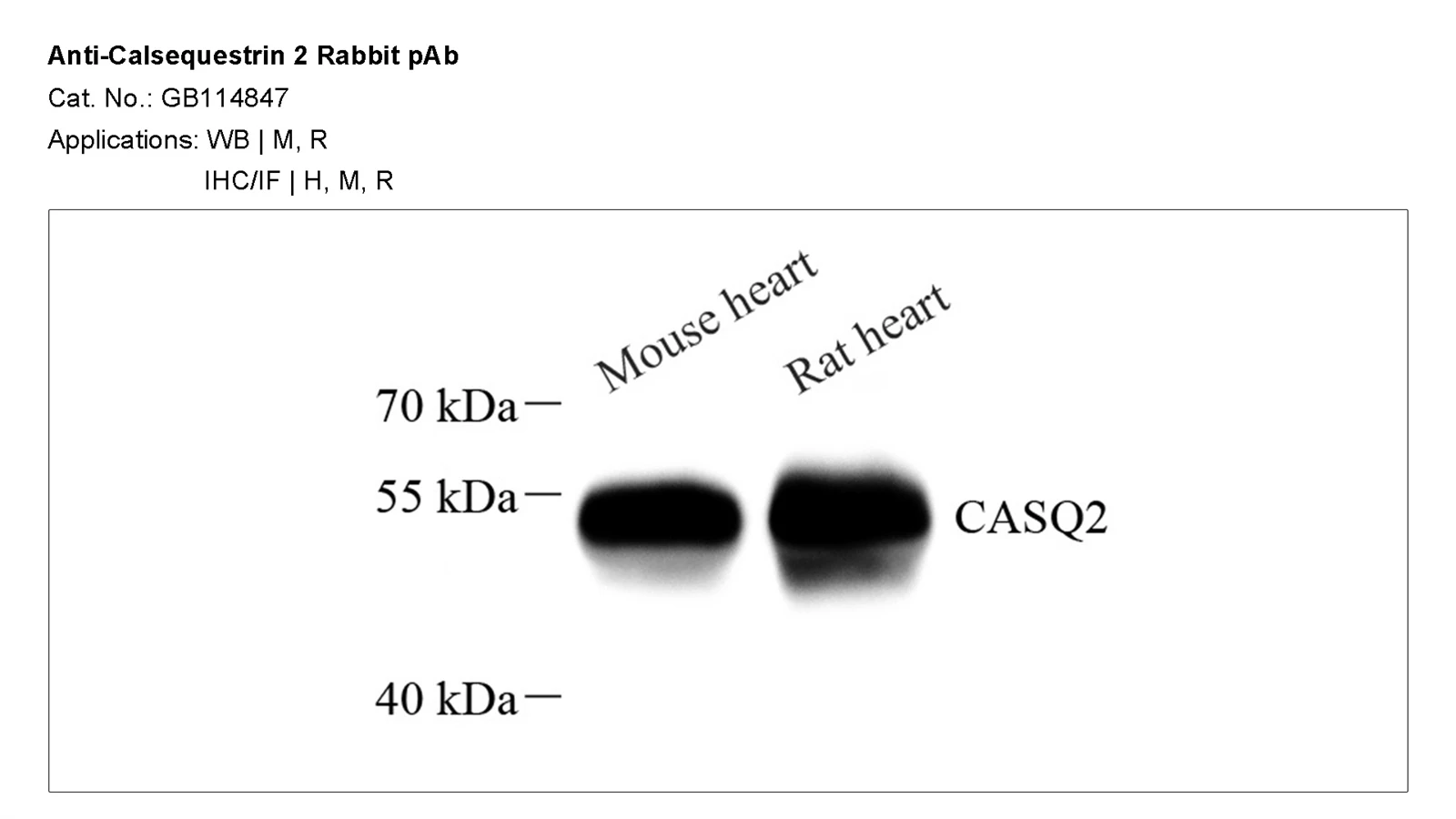
7. CASQ2 (Calsequestrin 2) Cat. No.: GB114847
Calsequestrin (CASQ), known as troponin, cryptocalcin, and collectin, is the major binding protein in the sarcoplasmic reticulum that regulates calcium storage. It plays a role in excitation-contraction of the heart and regulation of heart rate.
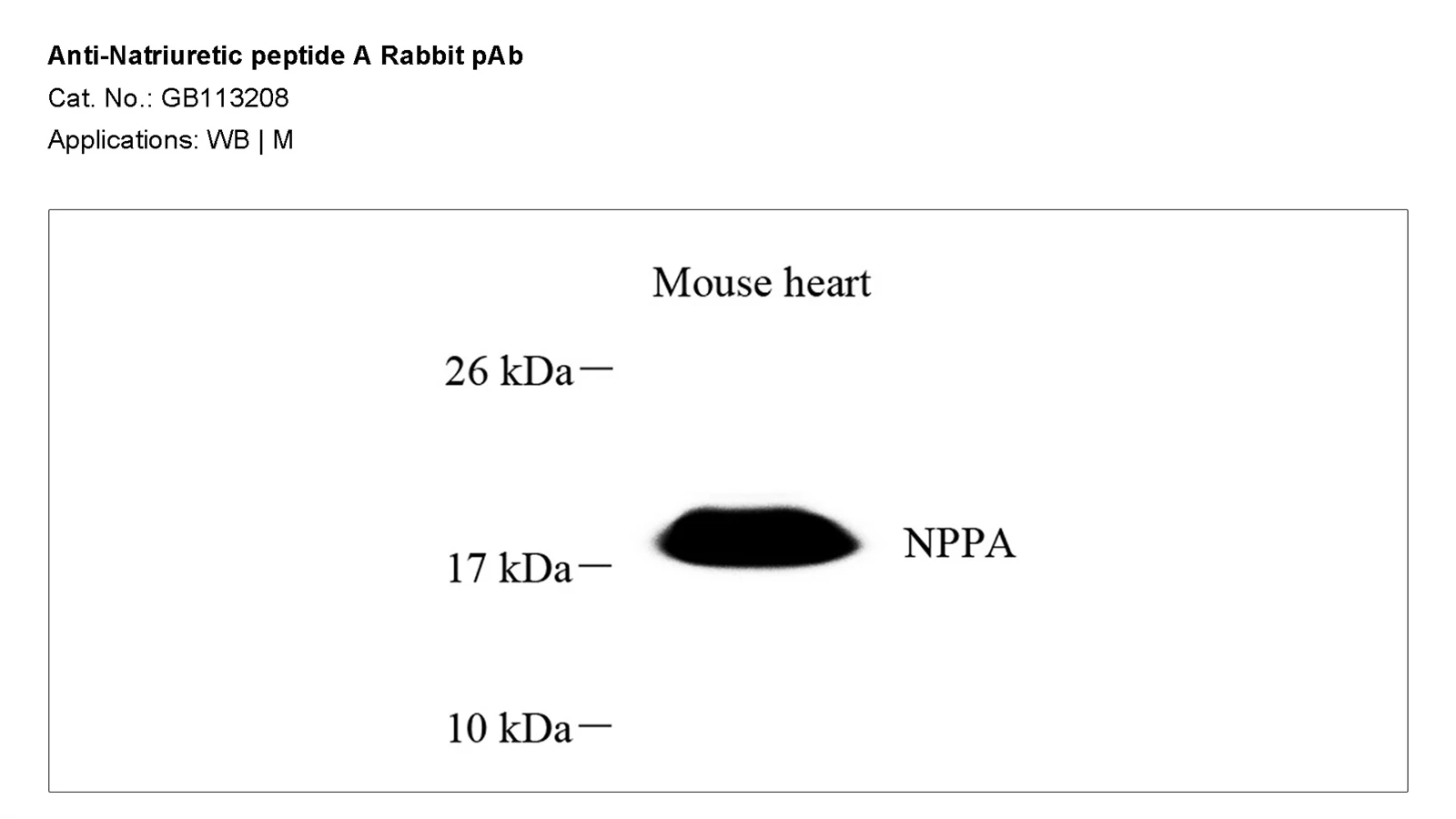
8. NPPA (Natriuretic peptide A) Cat. No.: GB113208
Natriuretic peptide precursor-A (NPPA) is an early and specific marker of functional myocardium in the embryonic heart. NPPA is expressed predominantly in the heart, with higher levels in the atria than in the ventricles.
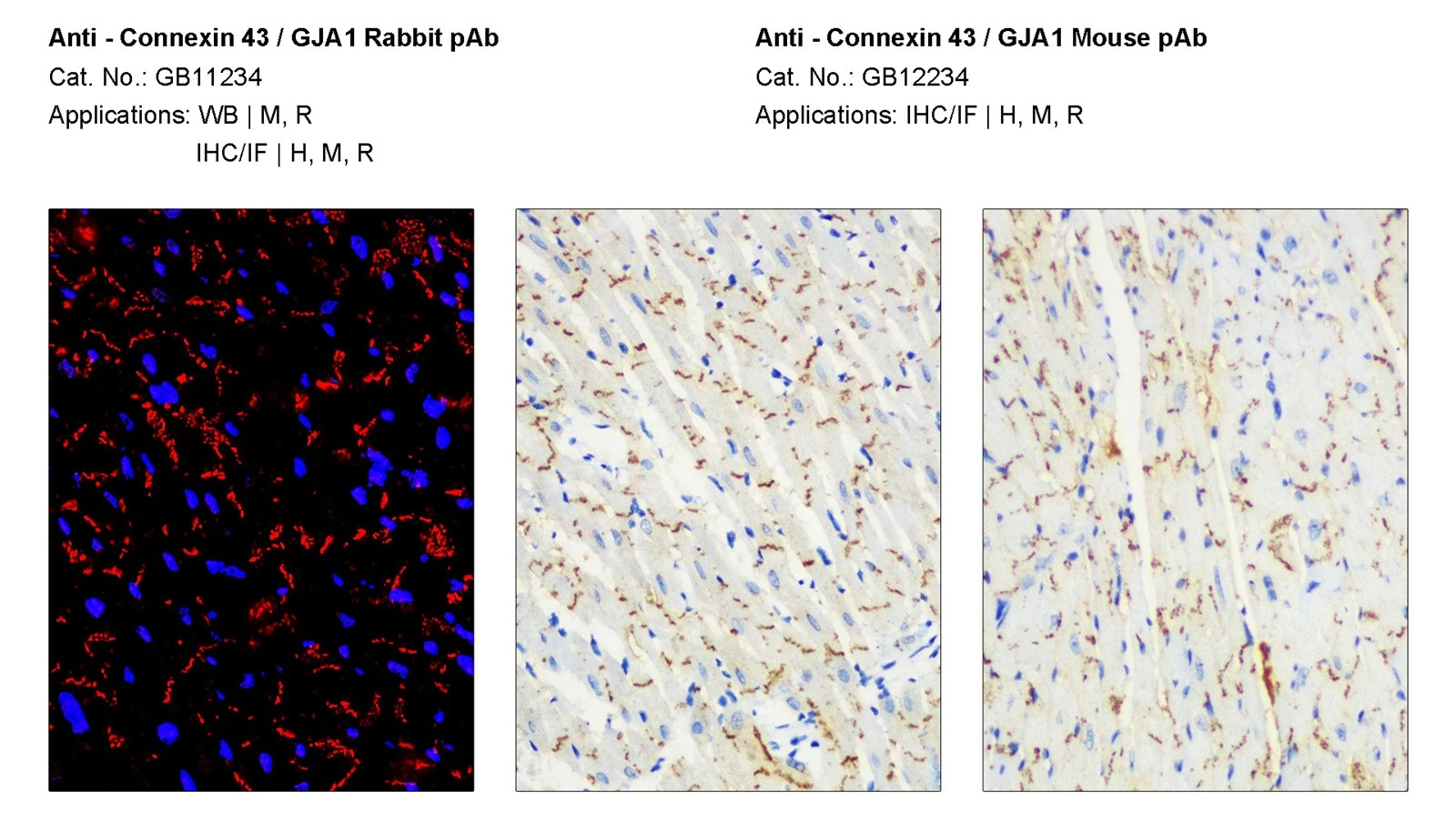
9. CX43 (Connexin 43 / GJA1) Cat. No.: GB11234 / GB12234
CX43 is a protein that mediates tight junctions between cardiomyocytes and is the predominant type of connectivity protein in myocardial tissue. Its expression in myocardial tissue has an important effect on conduction and interaction between cardiomyocytes.
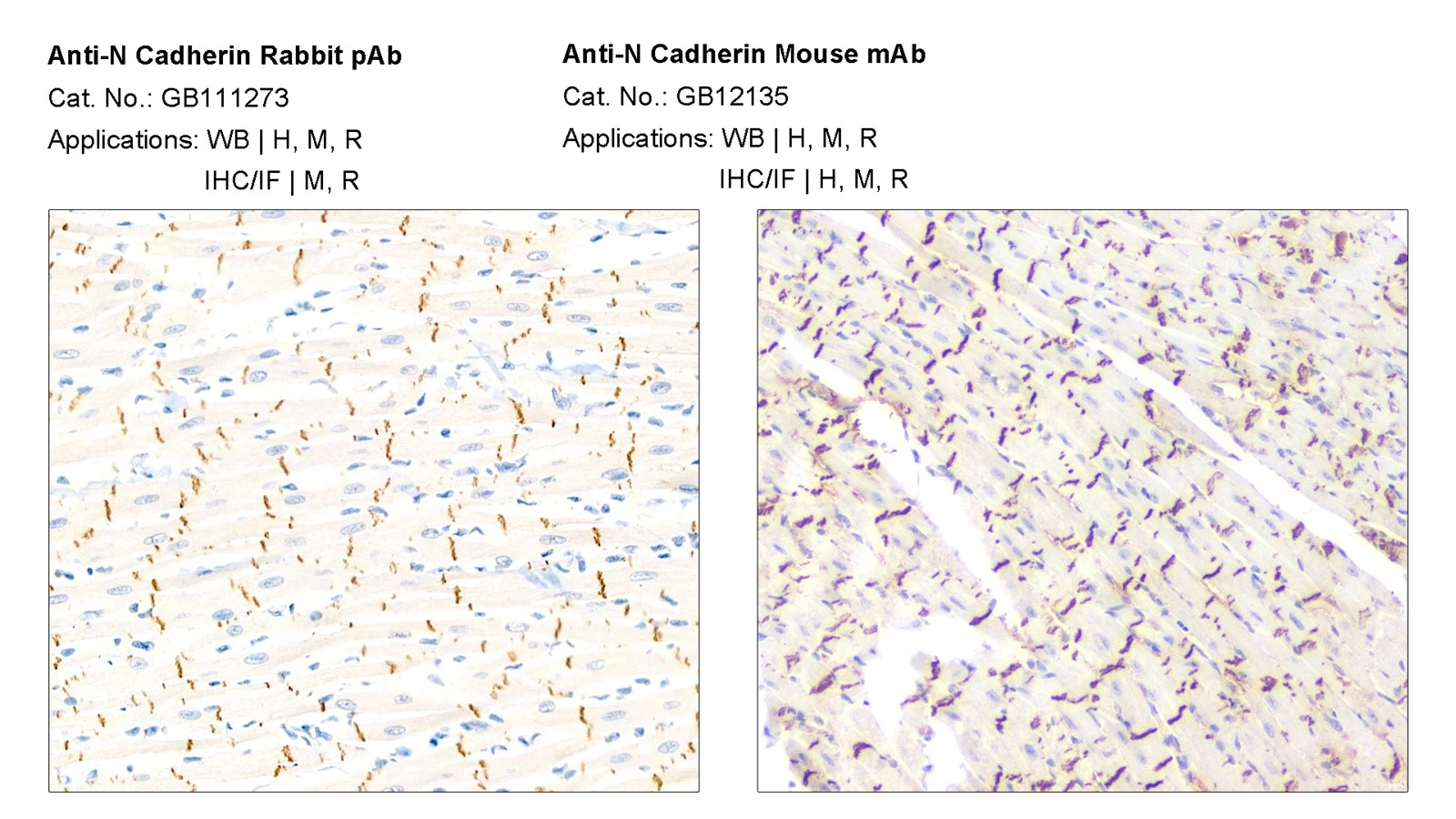
10. N Cadherin / CDH2 Cat. No.: GB111273 / GB12135
N cadherin has been implicated in various aspects of cardiac development, including the arrangement of the precordial mesoderm, morphogenesis of the cardiac annulus, and trabecular formation of the myocardial wall. N cadherin is strongly expressed in the precordial mesoderm and is consistently expressed during adult cardiomyocyte development and differentiation.
※ Heart Disease Related Markers
Neutrophils
1. MPO (Myeloperoxidase) Cat. No.: GB11224
Myeloperoxidase (MPO) is a ferrous heme enzyme derived from neutrophils, monocytes, macrophages and microglia. 95% of MPO in blood is released into the lumen by degranulation of activated neutrophils by cytosol. Ninety-five percent of MPO in the blood is released into the lumen as cytosol by degranulation of activated neutrophils, accounting for 4% of all cellular proteins. Studies have shown that the total number of leukocytes is strongly associated with the risk of coronary events and correlates with the severity of coronary heart disease.
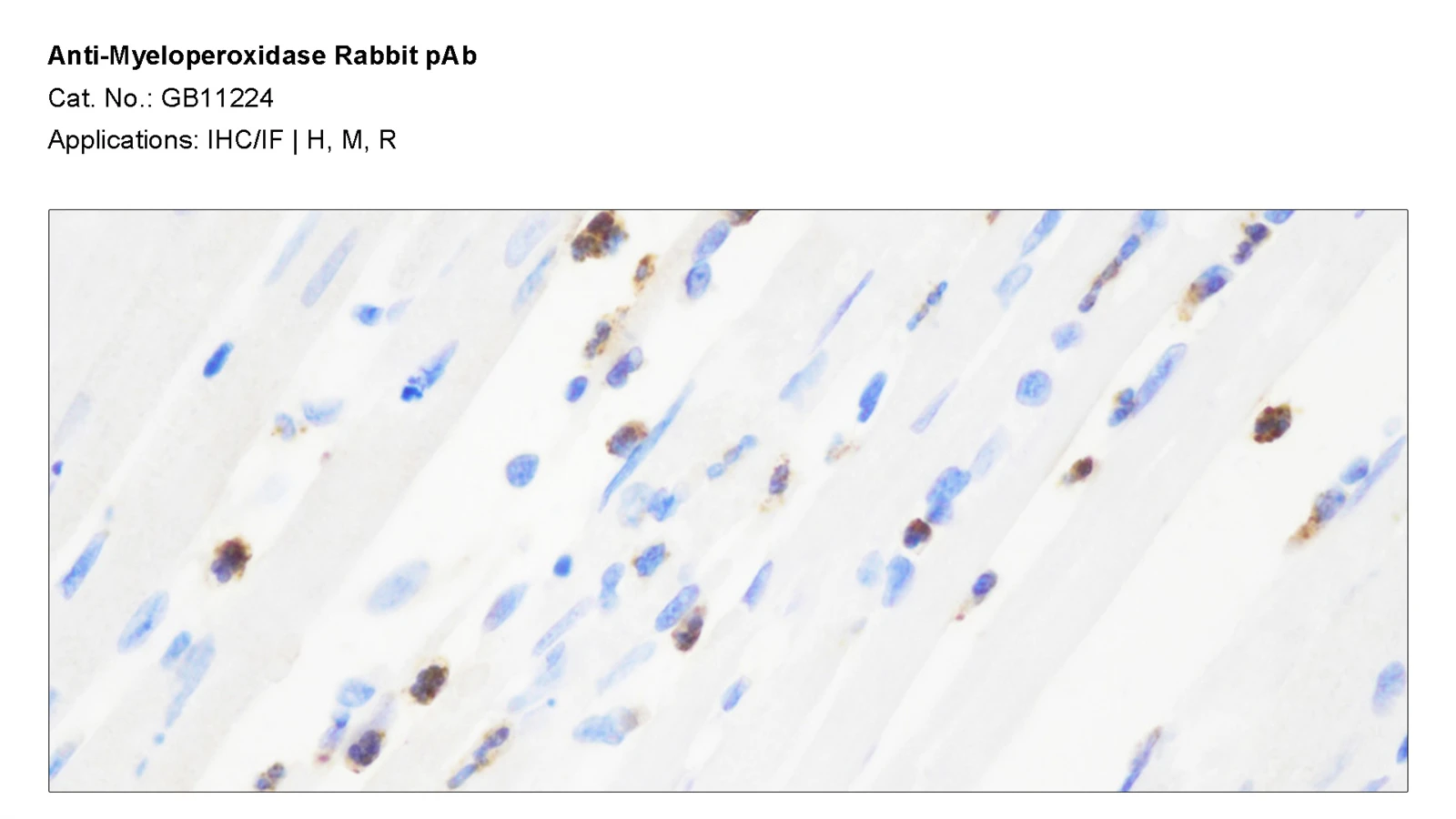
[Note: Sample above is Servicebio rat myocardial infarction model (GA1085)]
2. Ly6g Cat. No.: GB11229
In mouse acute myocardial infarction model, anti-Ly6g neutralizing antibody can significantly reduce the infarct area by blocking Ly6g expression, inhibit the inflammatory response of cardiac tissue after myocardial infarction, reduce cardiomyocyte apoptosis, and thus play a protective role in myocardium after myocardial infarction.
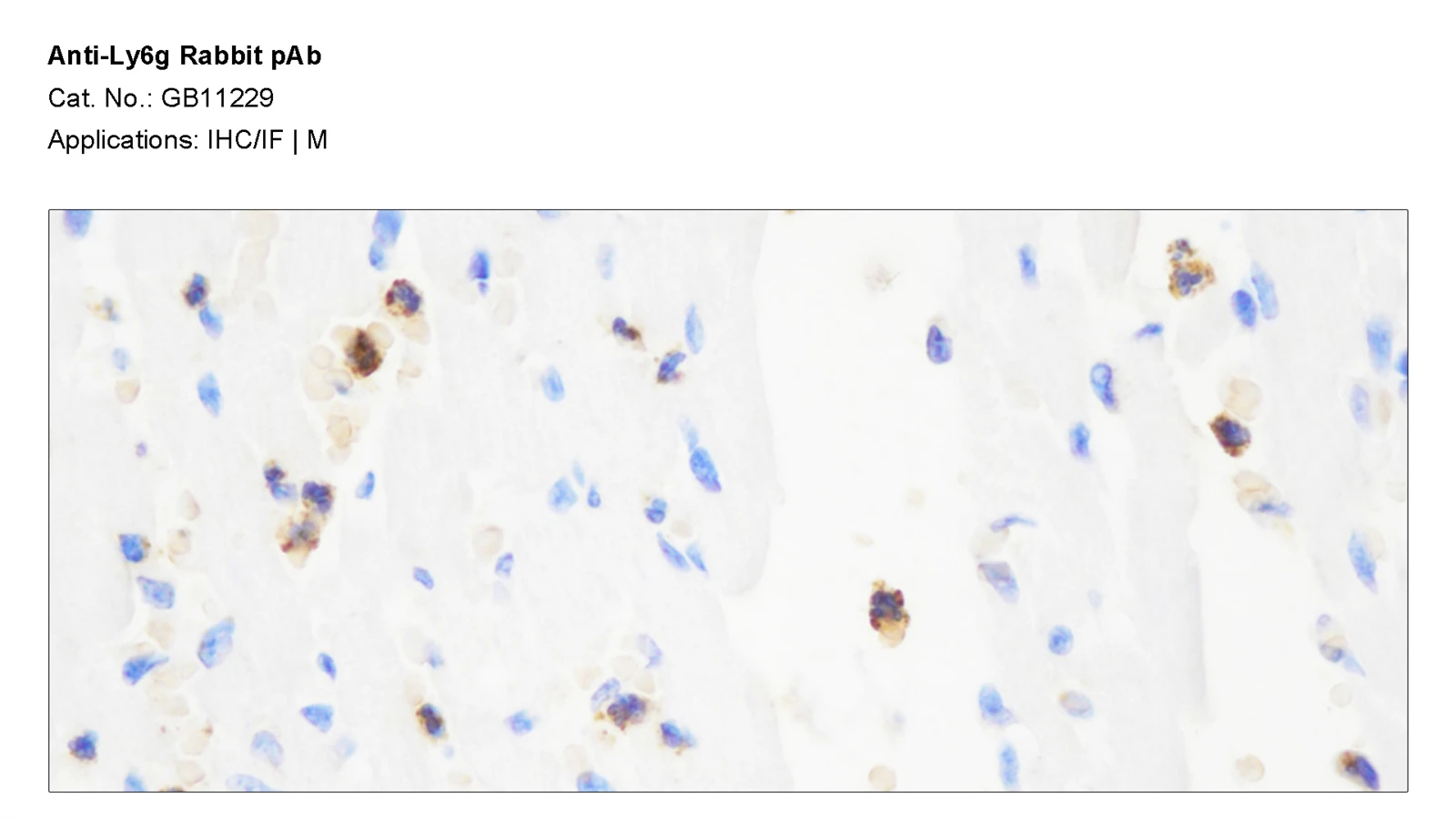
[Note: The above sample is Servicebio mouse myocardial infarction model (GA1086).]
※ Macrophages (Inflammation & Atherosclerosis)
1. CD68 Cat. No.: GB113109
CD68 is a 110kDa membrane glycoprotein expressed predominantly on intracellular lysosomes of monocytes and macrophages. CD68 is a commonly used marker for macrophages.
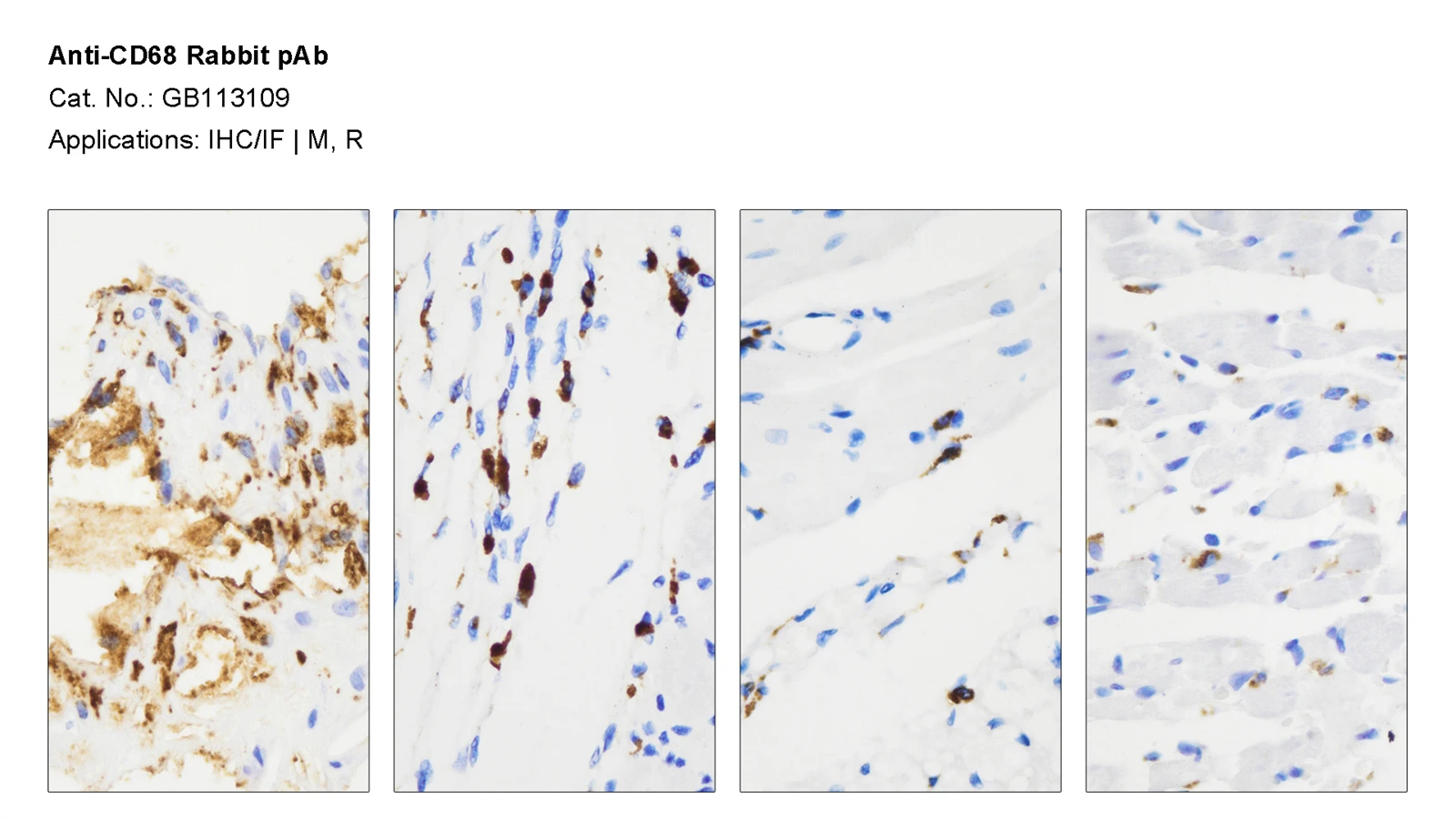
[Figure 1 Sample: mouse atherosclerosis model (GA1008);
Figure 2 sample: mouse myocardial infarction model (GA1086);
Figure 3 sample: mouse myocardial hypertrophy model (GA1160);
Figure 4 sample: rat myocardial infarction model (GA1085);]
2. CD163 Cat. No.: GB113751
Hemoglobin scavenger receptor (HbSR, also known as CD163) is a transmembrane molecule so far found only in the cell membrane of the monocyte/macrophage system, and belongs to a member of the cysteine-rich SRCR superfamily. It has been shown that in atherosclerotic plaques, CD163-positive macrophages attenuate oxidative stress damage caused by intraplaque hemorrhage.
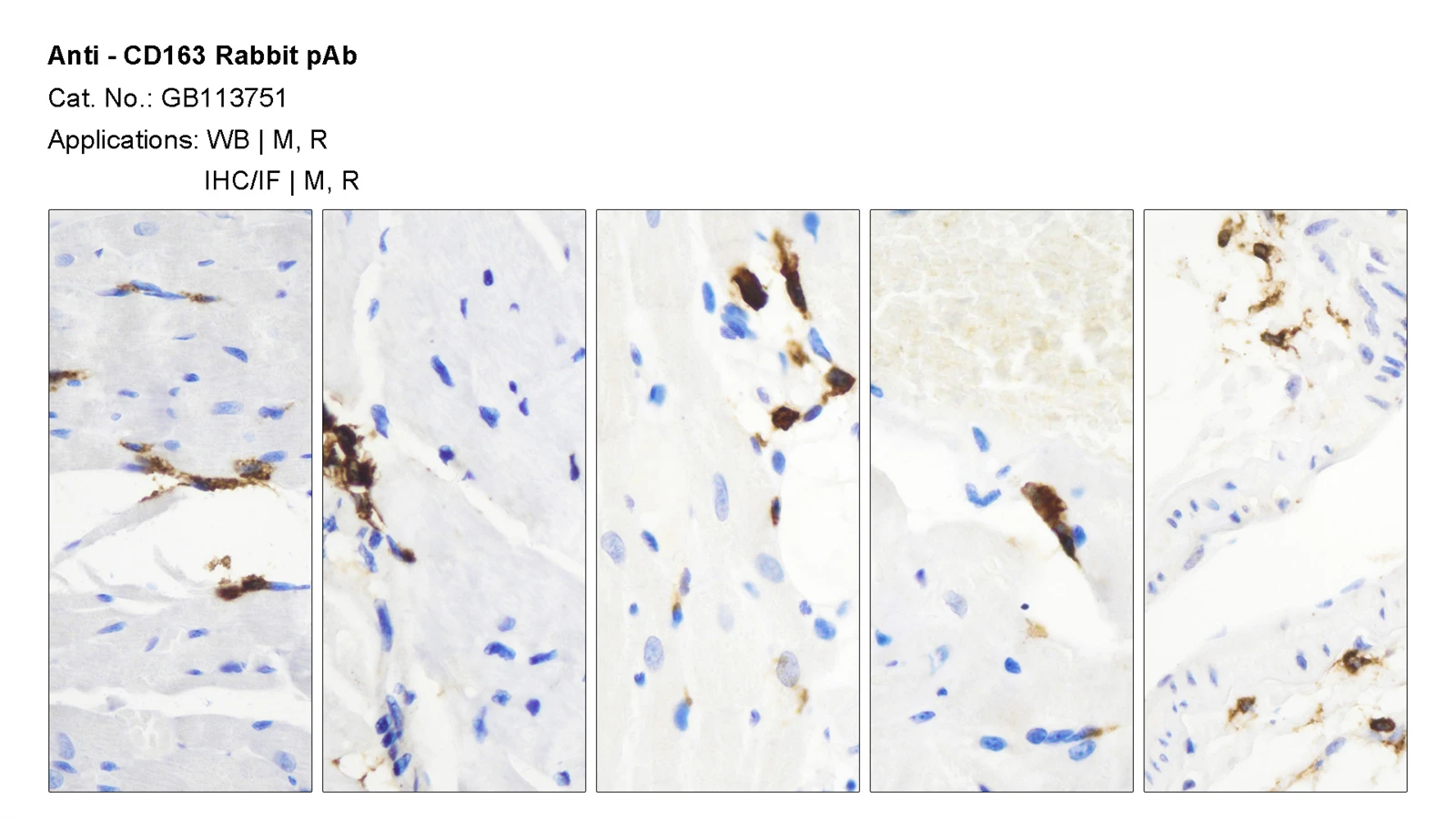
[Figure 1 Sample: rat myocardial infarction model (GA1085);
Figure 2 sample: mouse myocardial infarction model (GA1086);
Figure 3 sample: rat myocardial hypertrophy model (GA1159);
Figure 4 sample: mouse myocardial hypertrophy model (GA1160);
Figure 5 sample: mouse atherosclerosis model (GA1008).]
3. CD206 / Mannose Receptor Cat. No.: GB113497
The mannose receptor (CD206) is a swallowing receptor expressed in dendritic cells, macrophages and avascular endothelium. It plays an important role in the regulation of immune responses in vivo, proliferation of blood cells, defense mechanisms and acute phase responses.
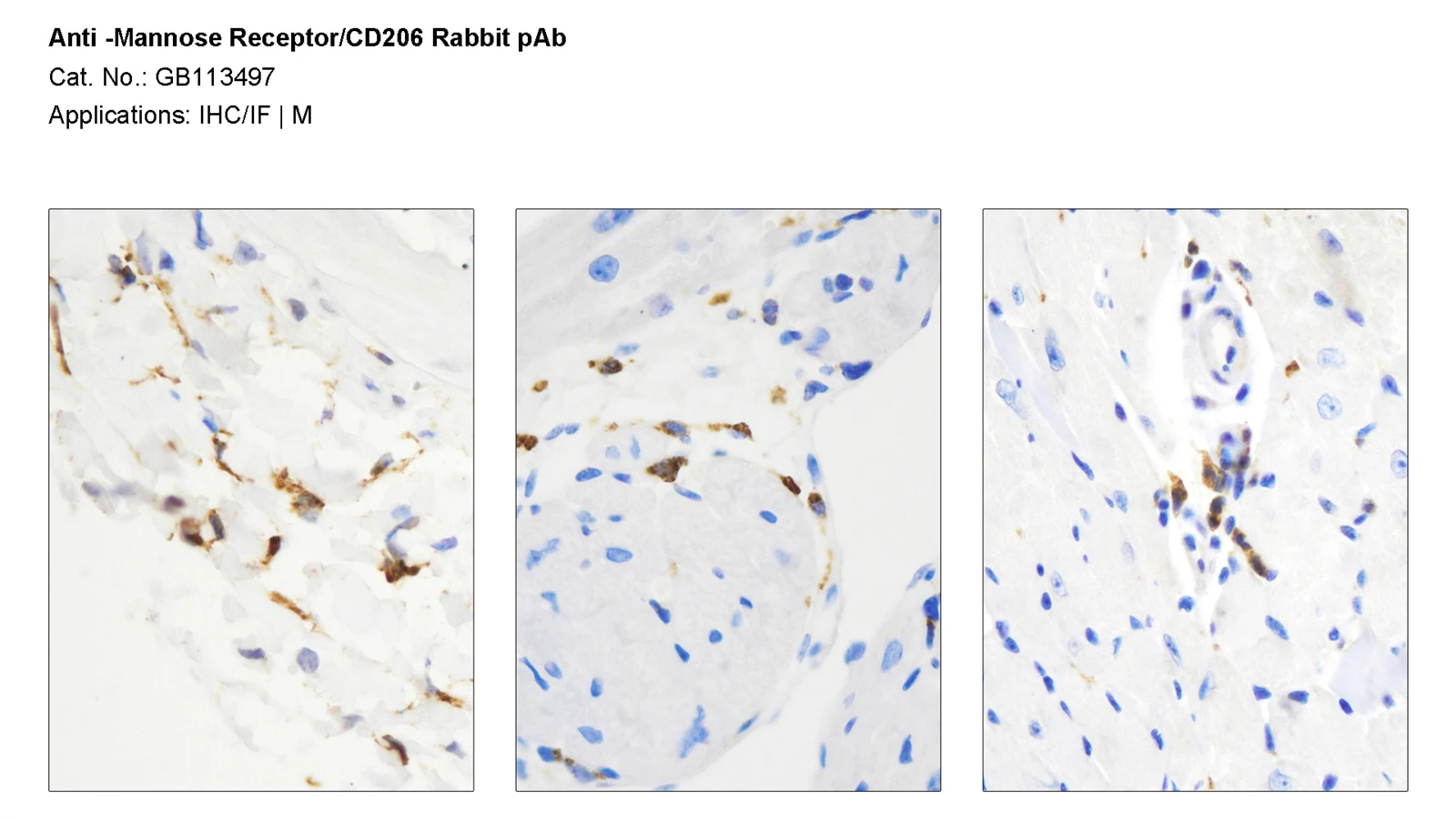
[Figure 1 Sample: mouse atherosclerosis model (GA1008);
Figure 2 sample: mouse myocardial infarction model (GA1086);
Figure 3 sample: mouse myocardial hypertrophy model (GA1160);]
4. F4/80 Cat. No.: GB113373
F4/80 (EMR1) is a highly glycosylated G-protein coupled receptor and is a defined marker for use in mouse macrophages.
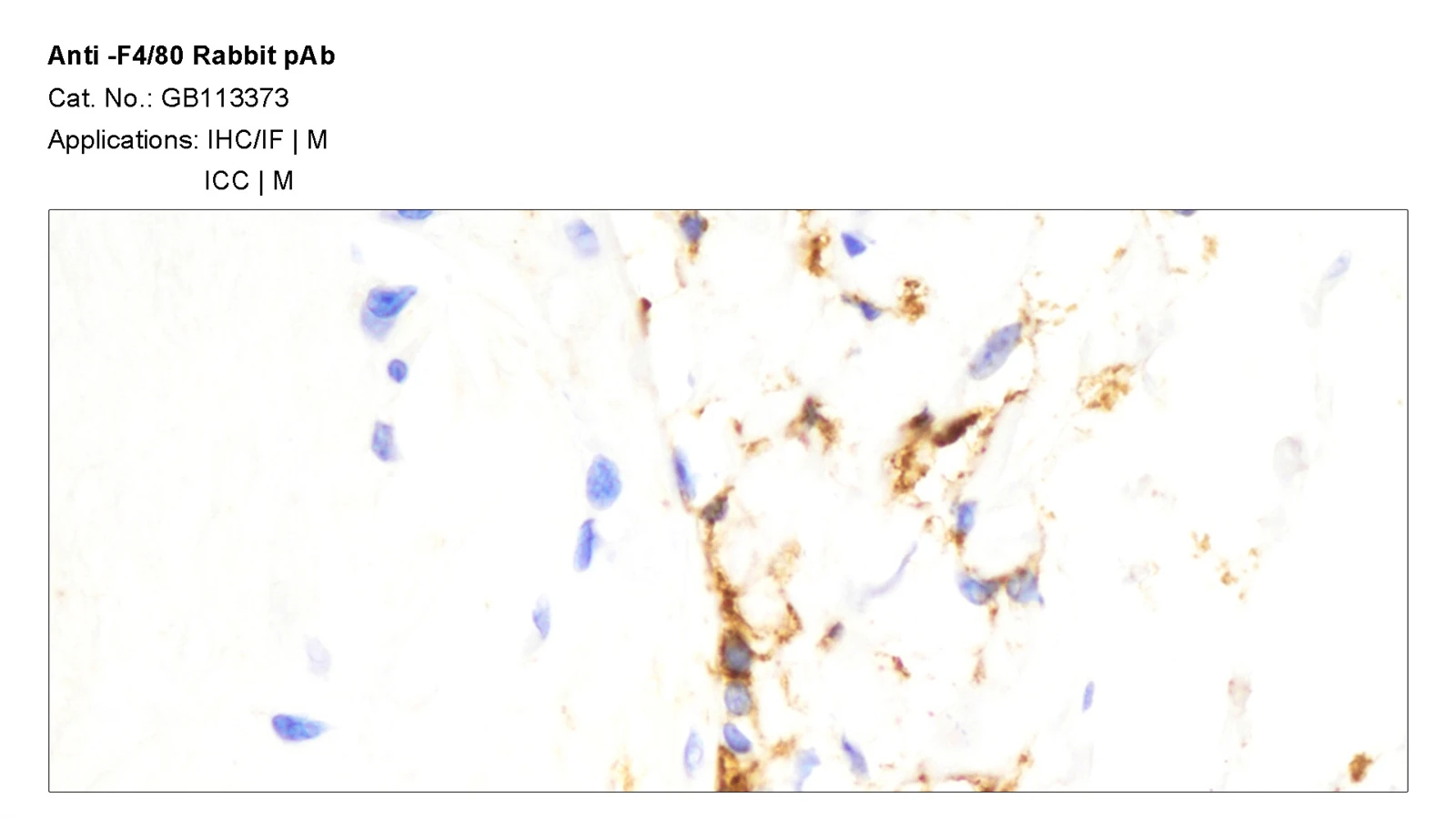
[Sample: Servicebio Mouse Atherosclerosis Model (GA1008)]
※ T lymphocyte
1. CD3 Cat. No.: GB12014
The co-receptor of CD3 (Cluster of differentiation 3) with T cells is a protein complex. The transmembrane region of the CD3 molecule is connected to the transmembrane regions of the two peptide chains of the TCR through a salt bridge to form the TCR-CD3 complex, which is involved in the recognition of antigens by T cells together.
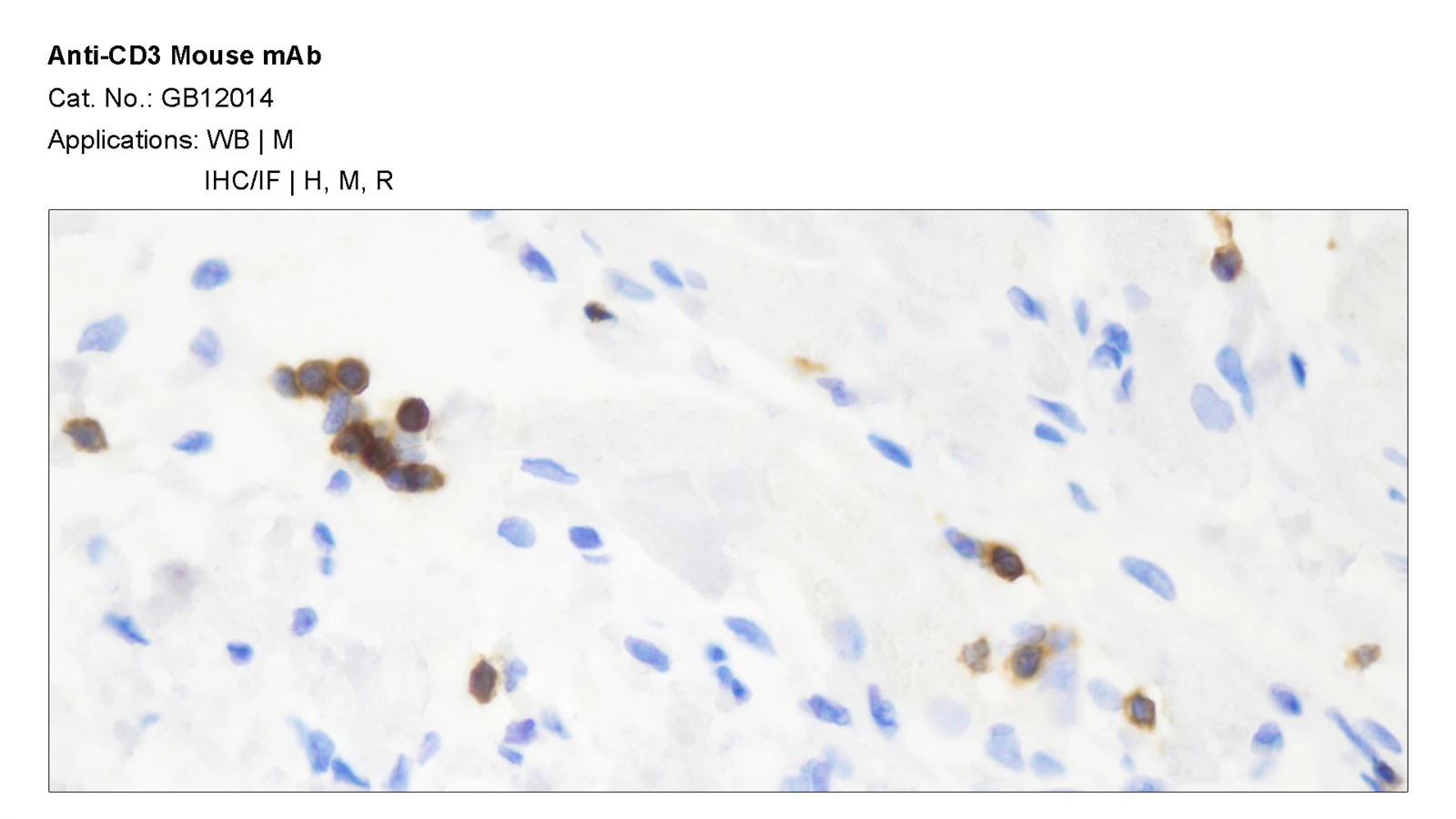
[Sample: Servicebio Rat Cardiac Hypertrophy Model (GA1159)]
2. CD8 Cat. No.: GB15068
Cluster of differentiation 8 (CD8) is a disulfide-linked heterodimer composed of unrelated α and β subunits. CD8 in T cells is a co-receptor for the T-cell receptor (TCR), two distinct structures that recognize the antigen-major histocompatibility complex (MHC).
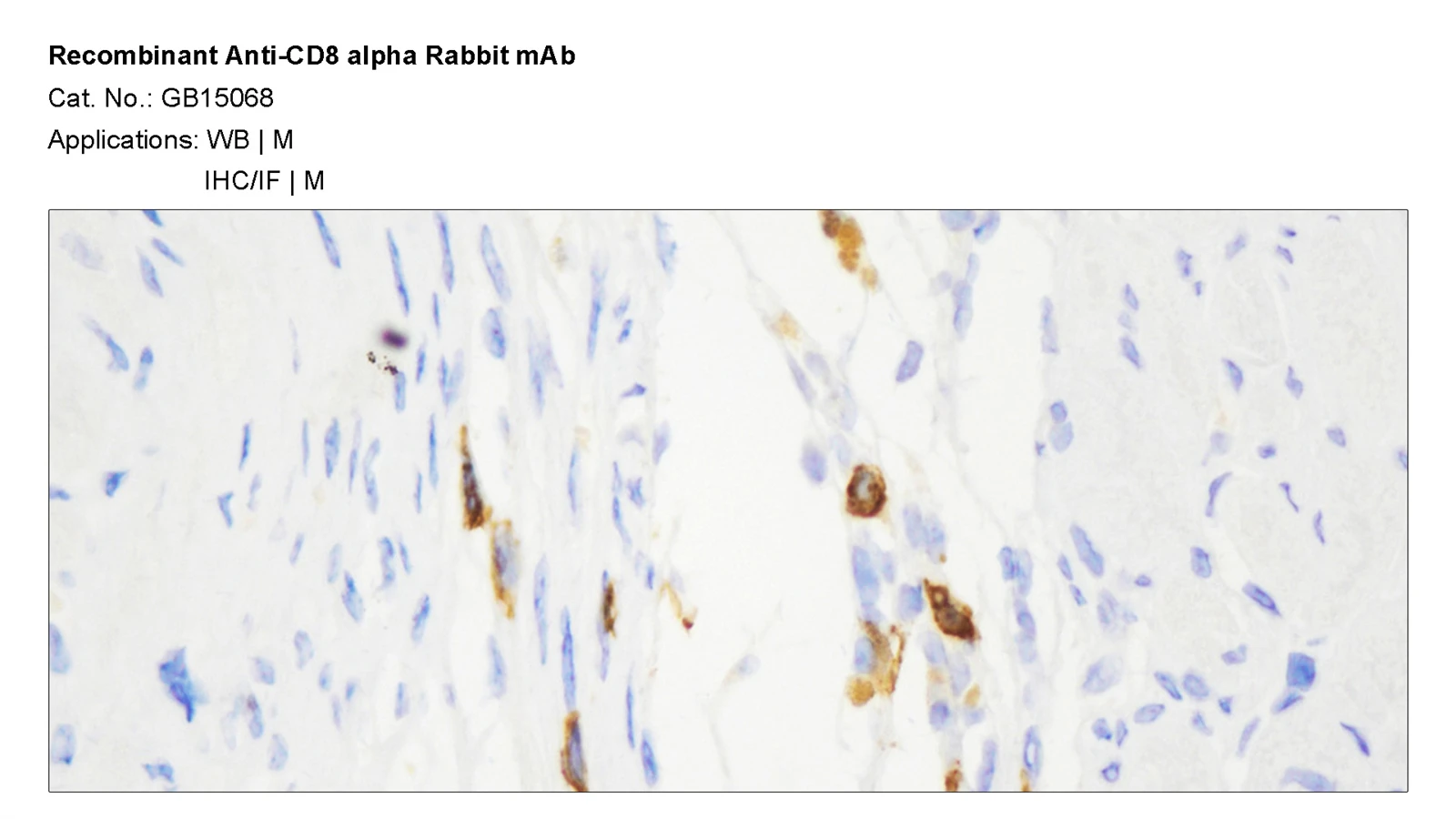
[Sample: Servicebio Mouse Myocardial Infarction Model (GA1086)]
※ B lymphocyte
1. CD20 Cat. No.: GB11540
CD20 is a cell surface phosphorylated protein involved in the regulation of B cell activation and proliferation. It is commonly used as a marker to identify B cells and is expressed throughout B cell development until they differentiate into plasma cells.
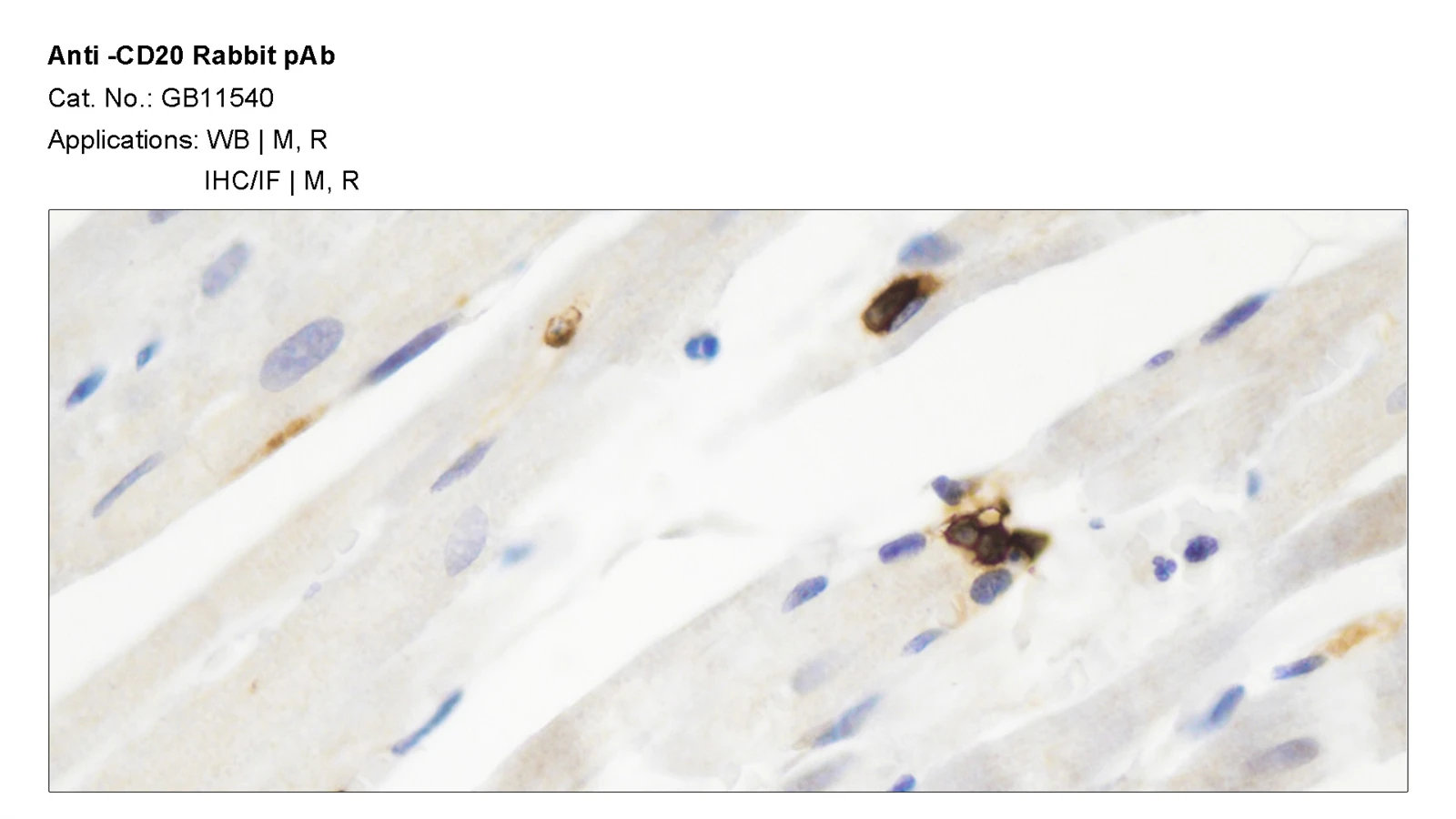
[Sample: Servicebio rat myocardial infarction model (GA1085)]
※ Apoptosis-Related Protein
1. c-caspase 3 Cat. No.: GB11532
Caspase-3 is widely expressed in the lungs, spleen, heart, liver, kidney, etc., with slightly lower expression in the brain and skeletal muscle, and lowest expression in the testis.
One of the most important events in the process of apoptosis is the activation of caspase-3, and the detection of cleaved caspase-3 is a commonly used tool in apoptosis research.
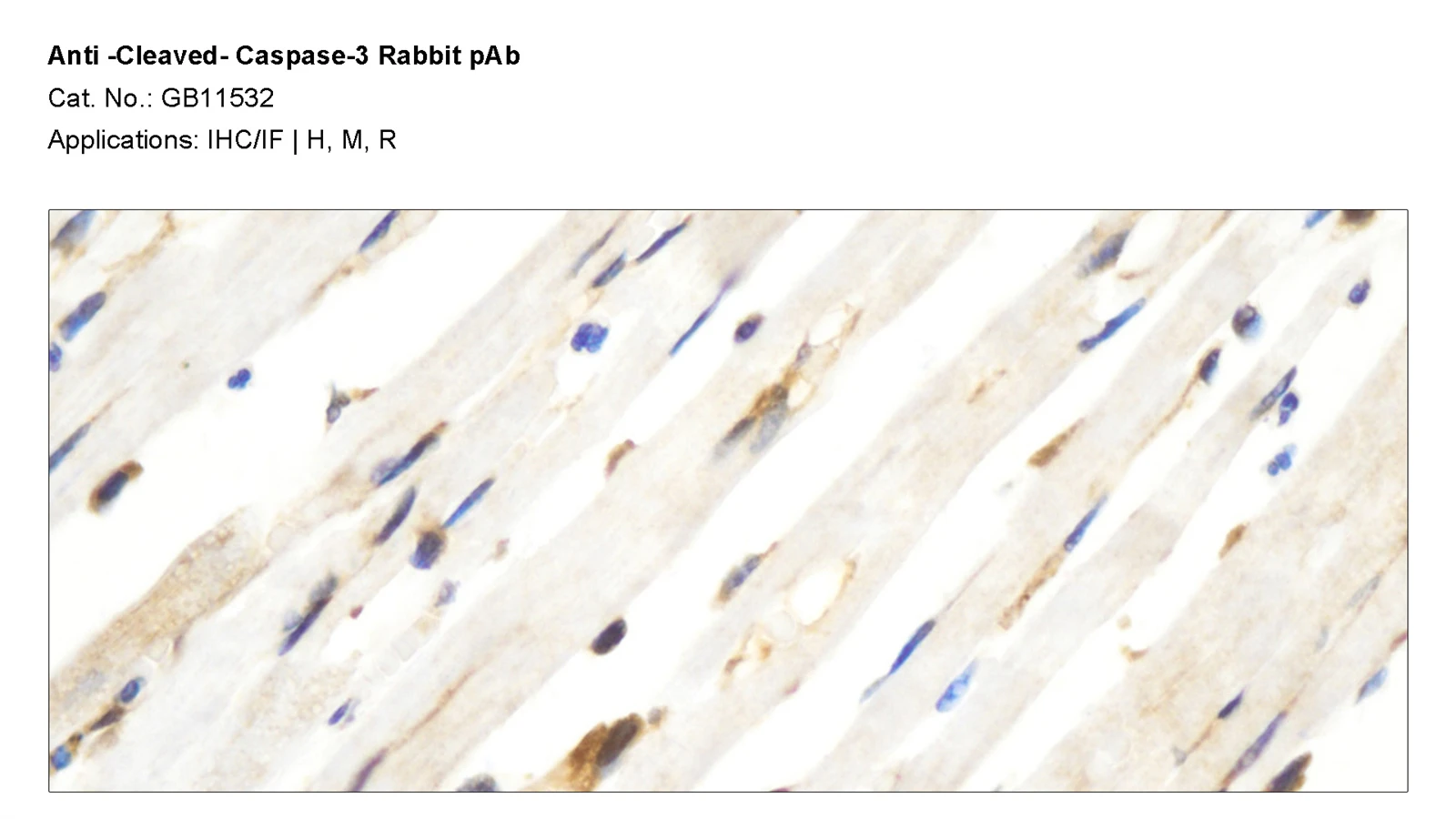
[Sample: Servicebio rat myocardial infarction model (GA1085)]
2. Bcl-2 Cat. No.: GB114830
Recent studies have shown that the B-cell lymphoma-2 (BCL-2) family is not only a dominant player in the regulation of the apoptotic program in normal cells, but also a major player in the development of tumorigenesis, progression, and subsequent drug treatment resistance mediated by apoptotic escape mode.
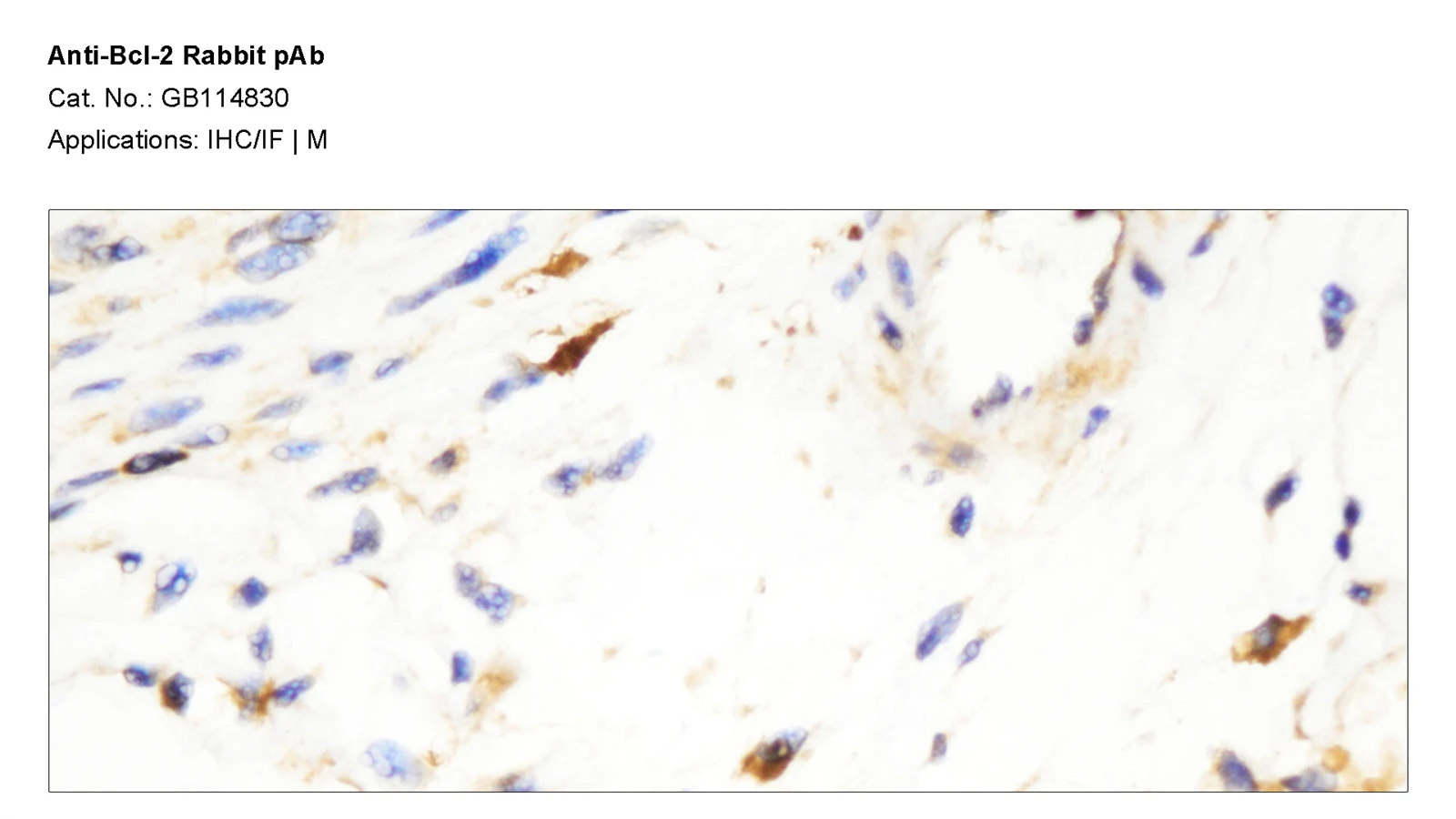
[Sample: Servicebio mouse myocardial infarction model (GA1086)]
※ Neutrophils
1. Beclin 1 Cat. No.: GB112053
Beclin 1 gene, also known as BECN1 gene, is a homologue of yeast ATG6 and a mammalian specific gene involved in autophagy. Numerous studies have shown that Beclin 1 not only participates in the formation of autophagosomes, but also plays an important role in tumorigenesis and development by regulating autophagic activity.
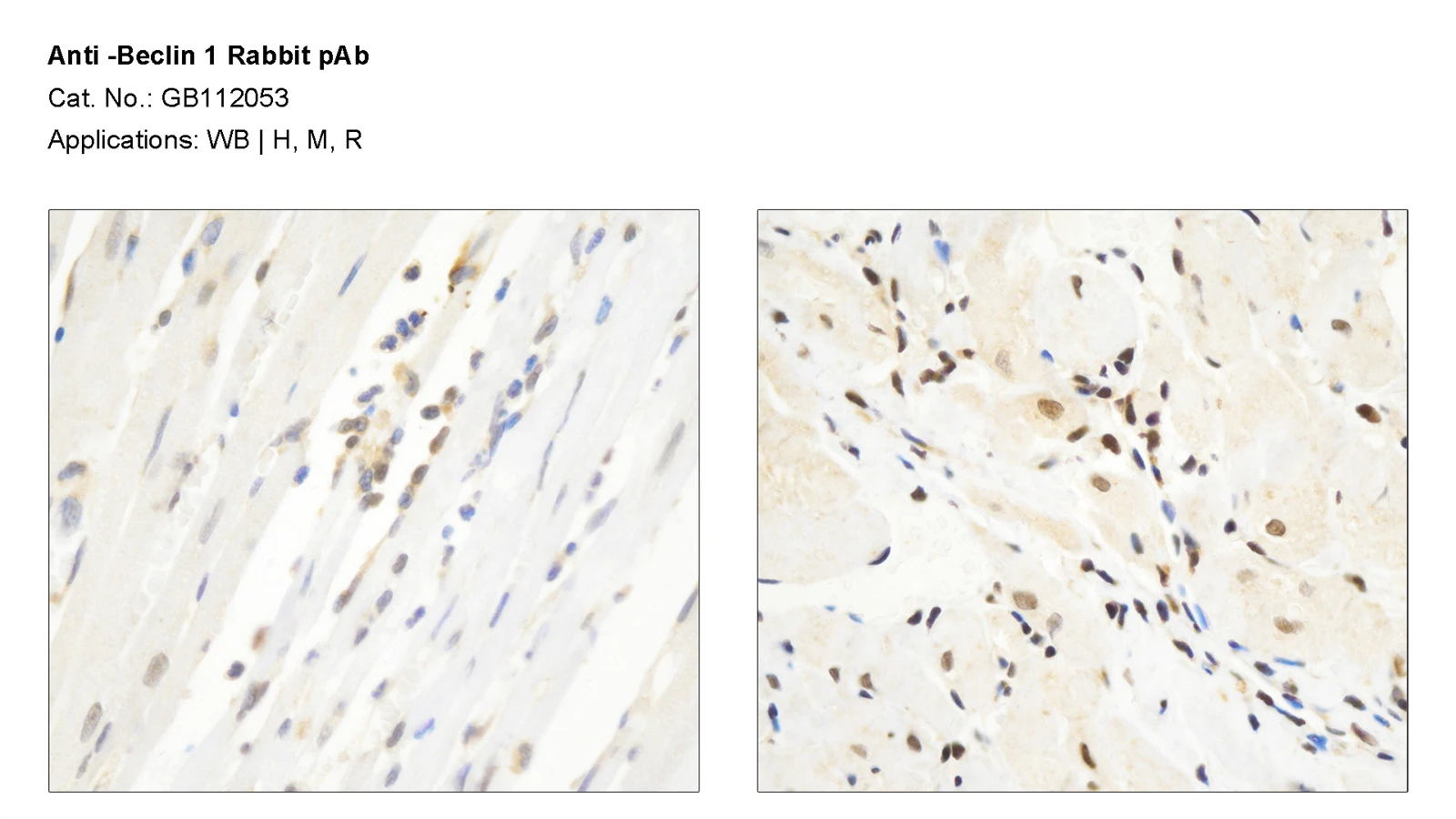
[Left sample: rat myocardial infarction model (GA1085);
Right sample: rat myocardial hypertrophy model (GA1159)]


