
The brain is the earliest developing and latest maturing organ in the human body, and also the most complex organ in the human body. It consists of hundreds of millions of cells. Neural tissue is composed of neurons (also called "nerve cells") and glial cells.
So how do we distinguish between different types of neurons and glial cells?
In general, we will use some specific expressed protein targets as markers to distinguish between different neurons and glial cells by detecting these different markers.
This issue introduces some neurons and glial cell markers, which are worth collecting!
Recommended Antibodies
Neuronal Cells
NeuN: GB15138, GB11138
MAP2: GB11128-2, GB115559, GB11128-1
beta III Tubulin: GB15139, GB12139
Astrocyte
GFAP: GB15100, GB15096, GB11096, GB12100
Vimentin: GB11192
S100 beta: GB11359, GB113884, GB15359
ALDH1L1: GB111239
Oligodendroglia
Olig2: GB11766
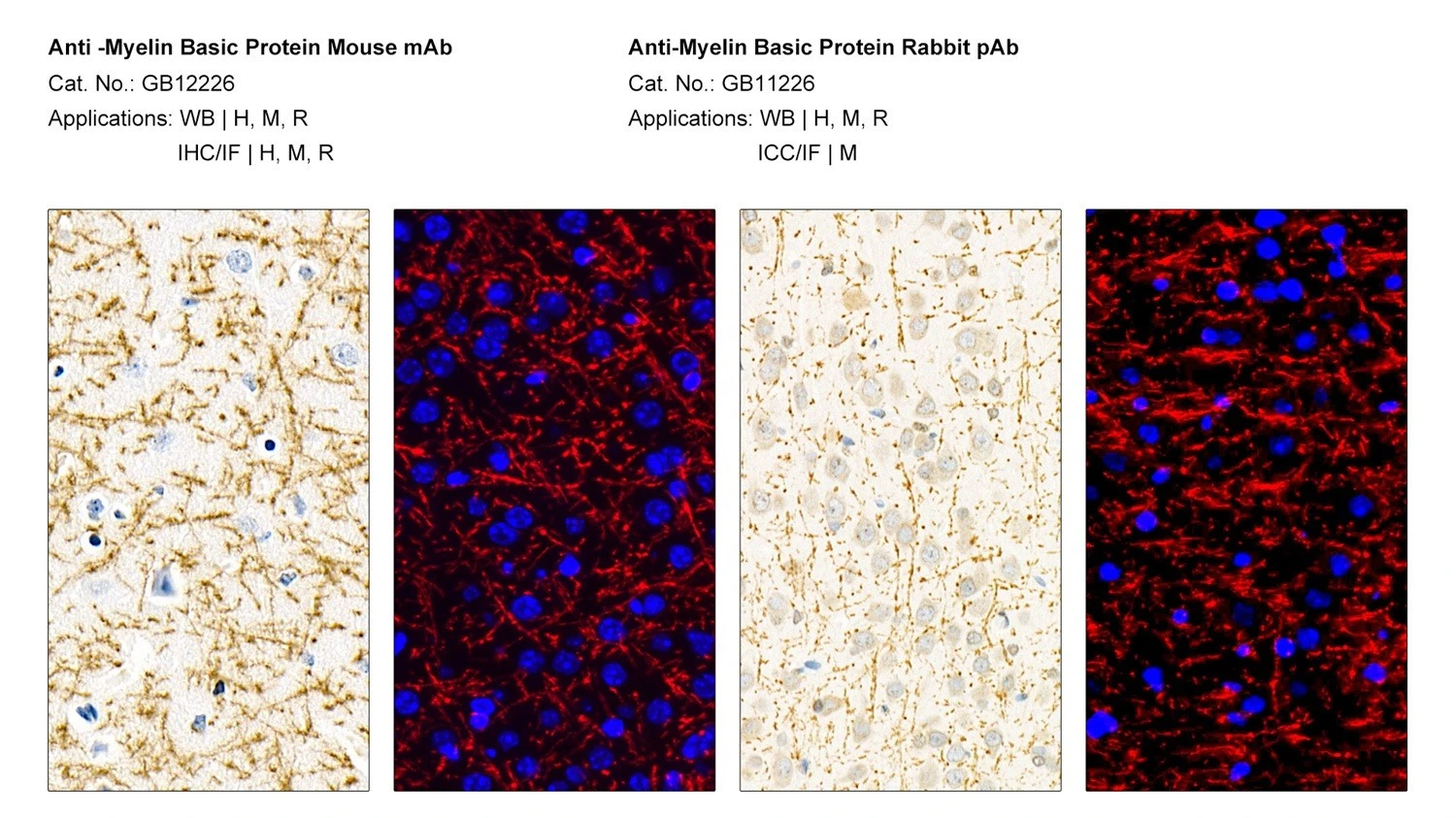
MBP: GB12226, GB11226
Microglia
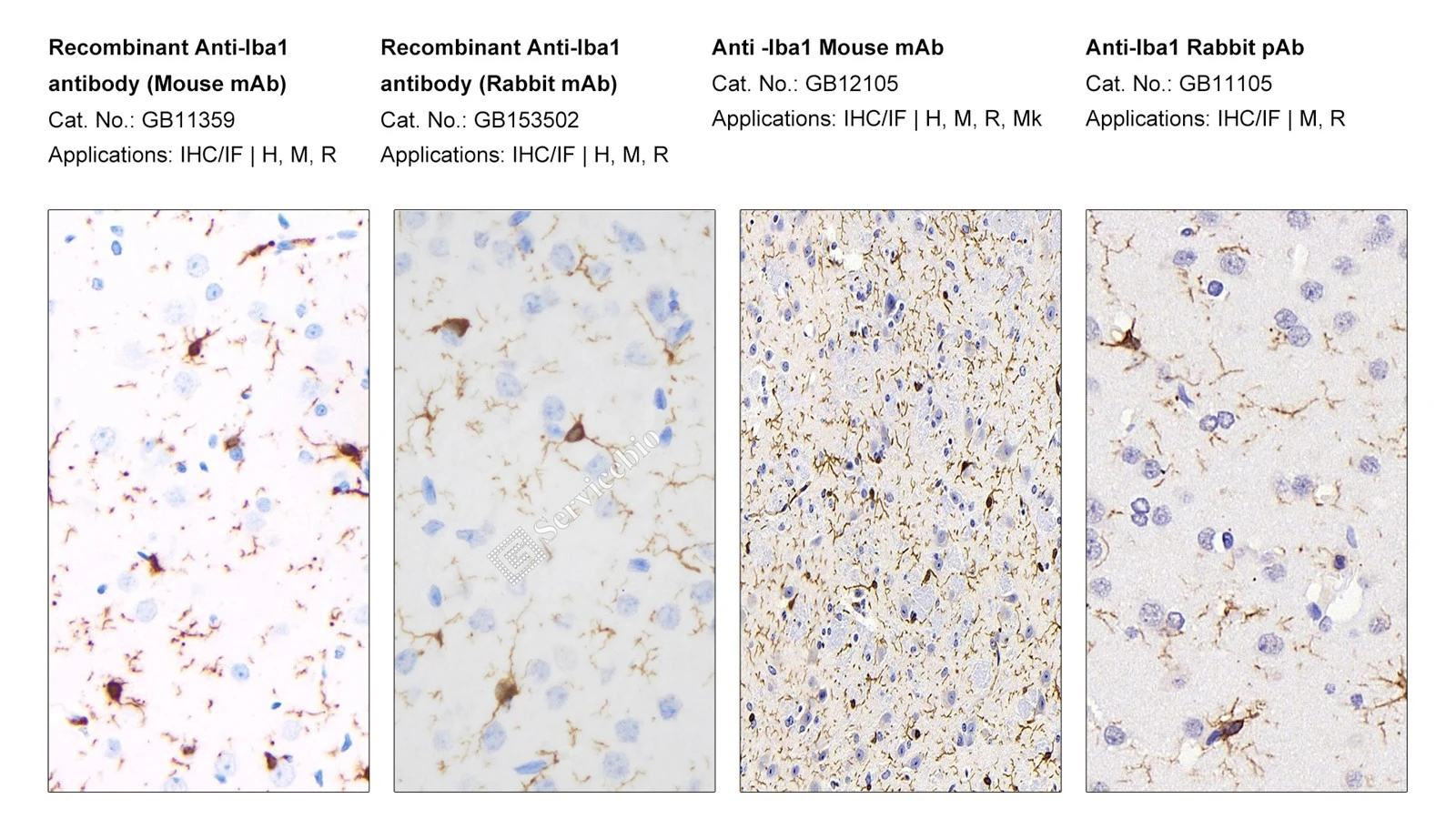
Iba1: GB15105, GB153502, GB12105, GB11105
Note: Servicebio's antibodies may only be used in scientific research.
▇ Neuronal Cells
Neurons, namely neuronal cells, are the most basic structural and functional unit of the nervous system. It is divided into two parts: cell body and protrusion.
The cell body consists of the cell nucleus, cell membrane and cytoplasm, which has the role of connecting and integrating input information and efferent information.
There are two kinds of protrusion: dendrites and axons. Dendrites are short and widely branched, directly protruding from cell body expansion and dendritic formation, which acts to receive impulses from the axons of other neurons and transmit them to the cell body. The nerve cell cytoplasm extends outward in a slender protrusion called the axon. The diameter of the axons remains the same in the full length, with fewer branches, and some lateral branches associate with other neurons, which can expand the range of efferent excitation.
1. NeuN
Cat. No.: GB15138, GB11138
Neuronal Nuclear Antigen (NeuN), also known as FOX-3 protein, is located in the neuronal cells and most neurons of the CNS and peripheral nervous system, and in the nucleus and cytoplasm of such cell-derived tumors. NeuN can serve as a marker for central neurocystoma, ganglioglioma.
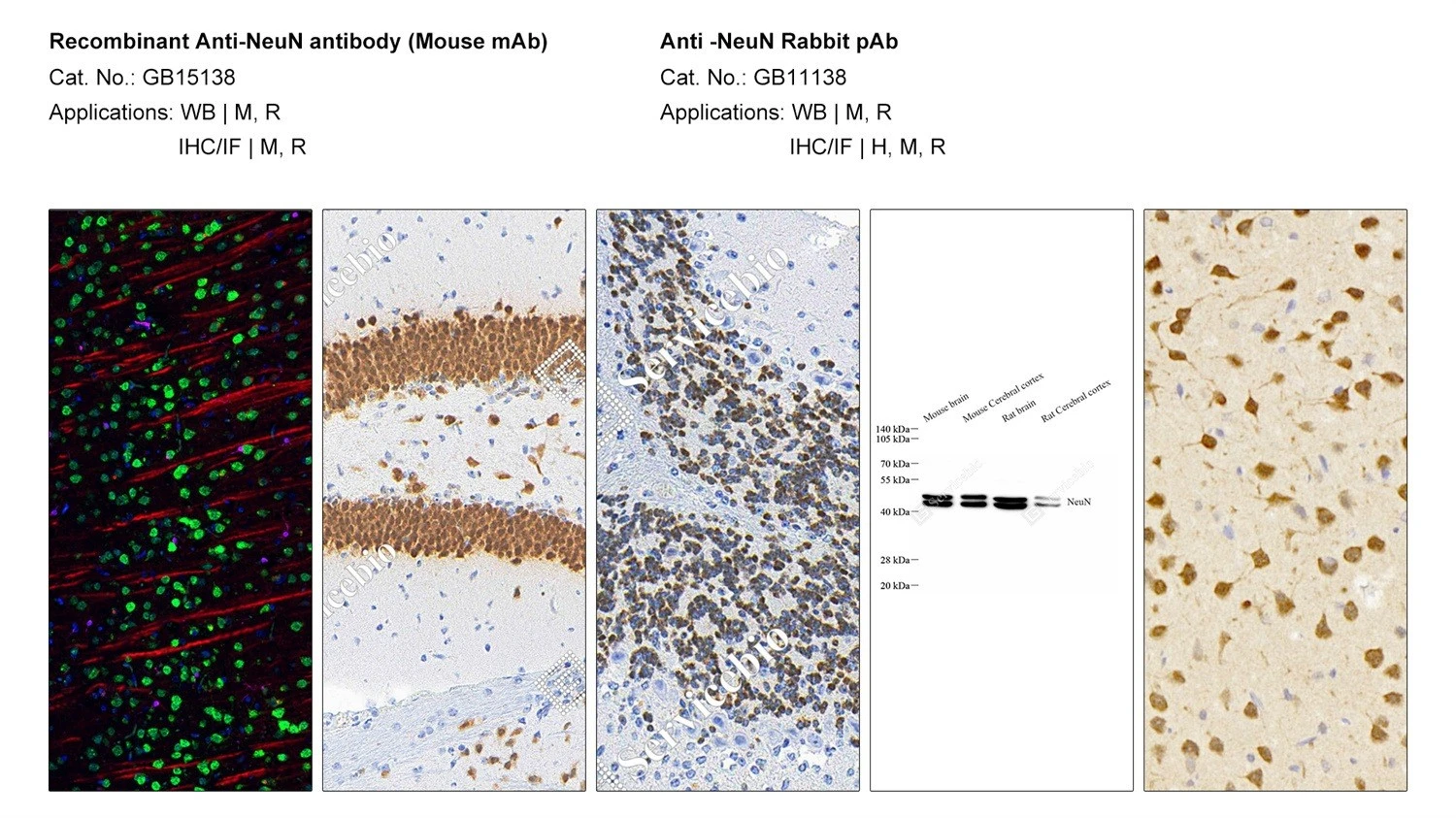
Figure 1 sample is the rat brain
2. MAP2
Cat. No.: GB11128-2, GB115559, GB11128-1
MAP2 (microtubule-associated protein 2) is an abundant neuronal cytoskeletal protein that binds to tubulin and stabilizes microtubules, and plays an important role in different periods of the development, formation and regeneration of the nervous system.
MAP2 is often used as a dendritic marker because it is present in the cell bodies and dendrites of neurons, but not in axons.
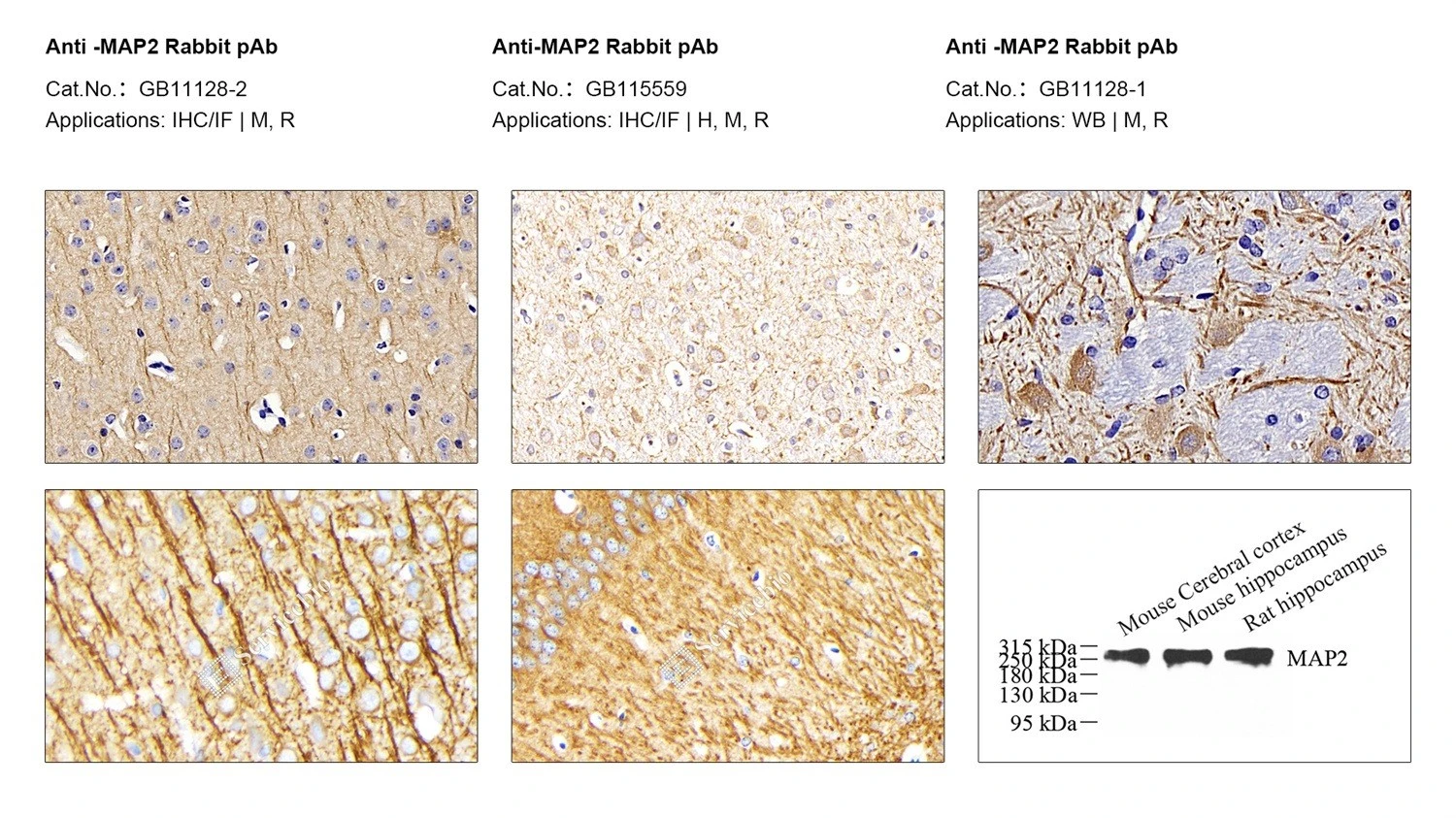
3. beta III Tubulin
Cat. No.: GB15139, GB12139
beta III Tubulin (β 3-tubulin, TUBB 3), the major component of microtubules in neurons, is highly expressed during embryonic and postnatal development and plays a key role in proper axonal orientation, maturation, and maintenance.
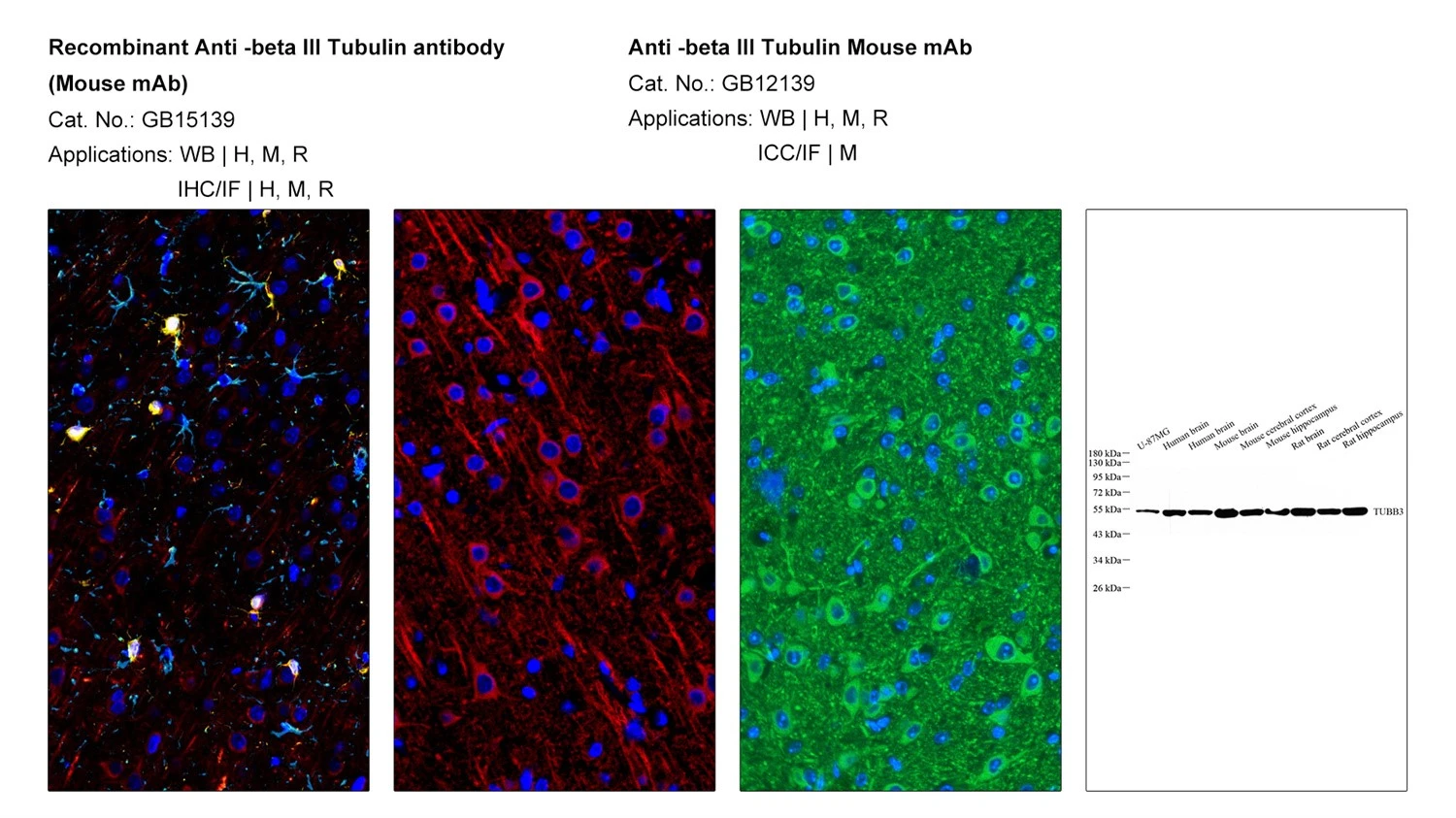
Figure 1 sample is the rat brain
▇ Astrocyte
Astrocytes is located in the nerve cell body and processes, in the central nervous system (CNS) has many important functions, including maintaining glutamate and ion homeostasis, eliminate oxidative stress and energy storage in glycogen, tissue repair, through the release of neurotransmitter regulate synapse activity and participate in synapse formation, is the most widely distributed class of cells in the brain.
1. GFAP
Cat. No.: GB15100, GB15096, GB11096, GB12100
GFAP and Vimentin form intermediate filaments in astrocytes and modulate their movement and shape. GFAP is a marker for astrocytes in differentiated and mature brain tissue.
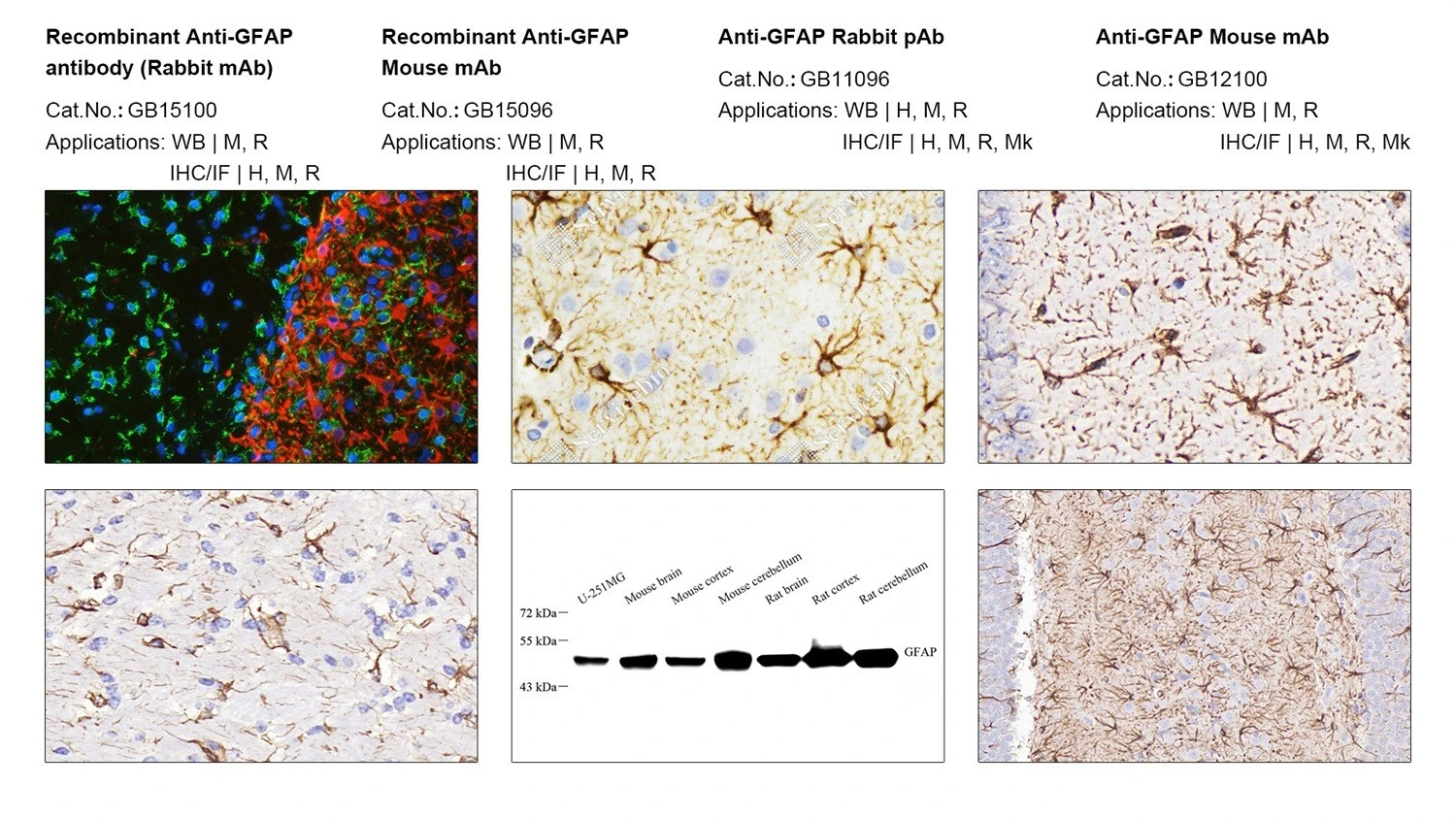
Figure 1 sample shows the Servicebio rats MCAO model of cerebral infarction
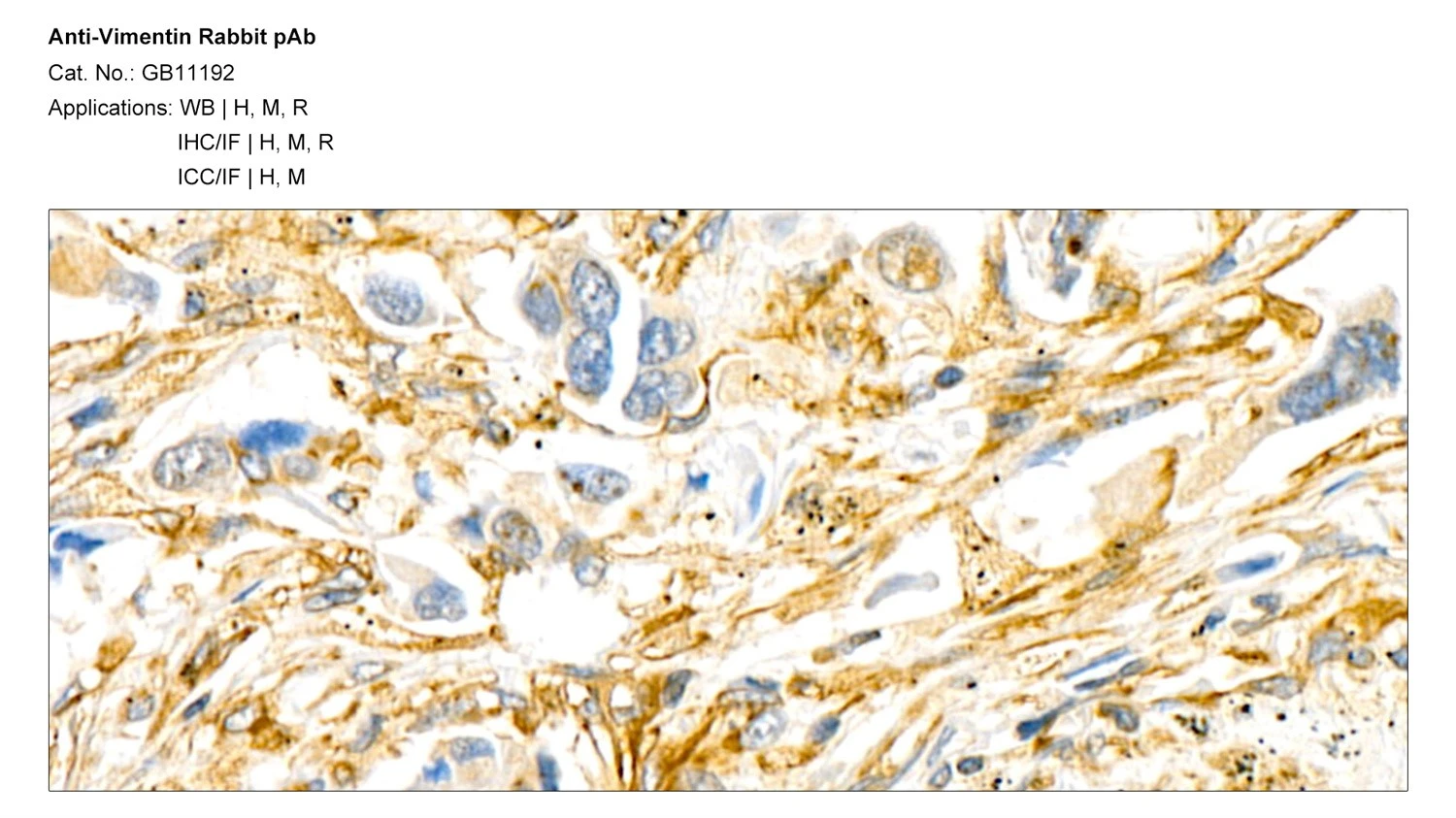
2. Vimentin
Cat. No.: GB11192
Vimentin also known as vimentin, it is one of the intermediate filament proteins of the cytoskeleton. The dynamic properties of Vimentin are important for cellular flexibility and are involved in cell migration, neuronal and glial cell development. Vimentin labels immature astrocytes.
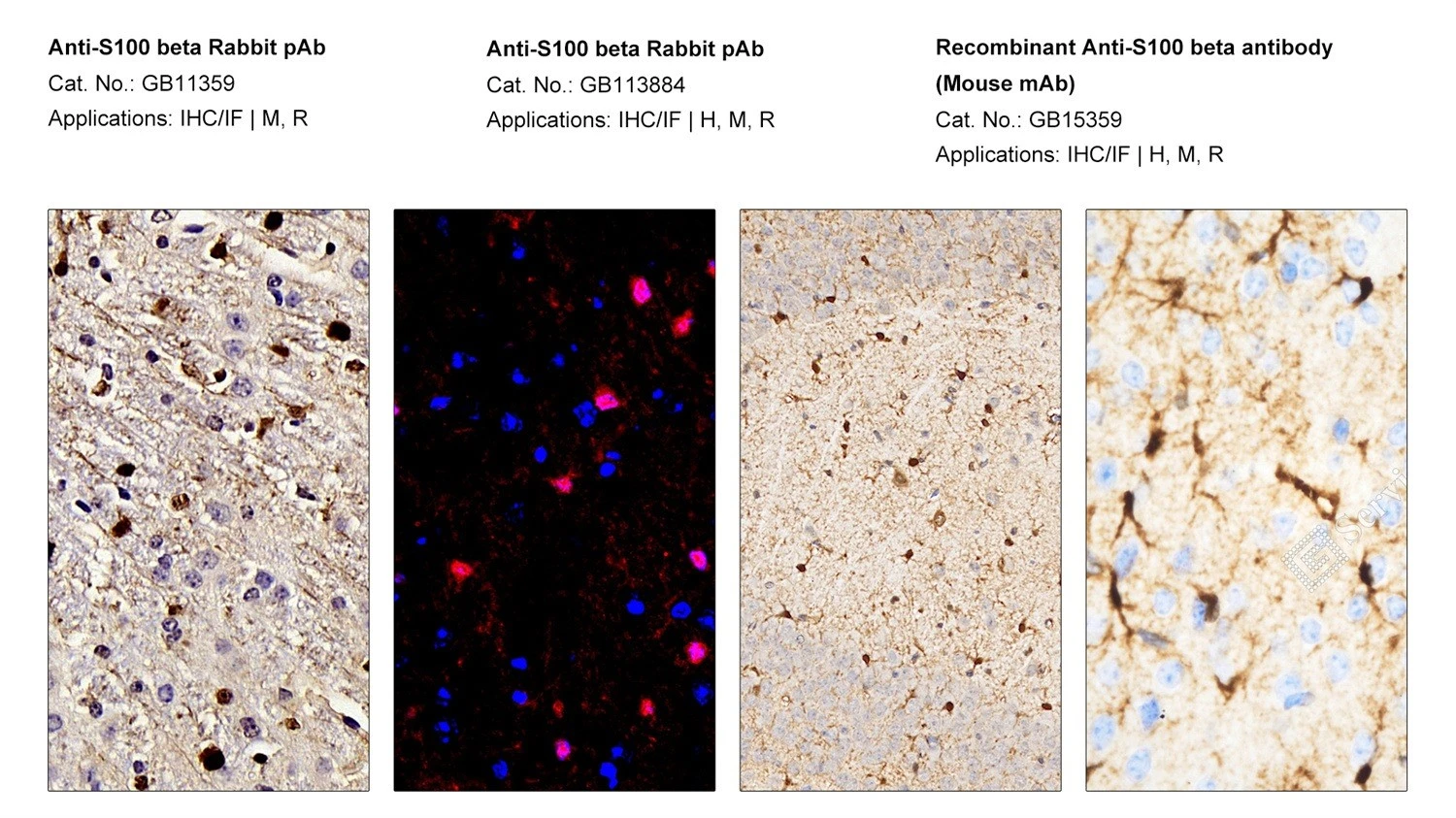
3. S100 beta
Cat. No.: GB11359, GB113884, GB15359
S100 beta is a calcium-binding protein found mainly in the cytoplasmic matrix of astrocytes and Schwann cells, but also in other sites such as chondrocytes and adipocytes.
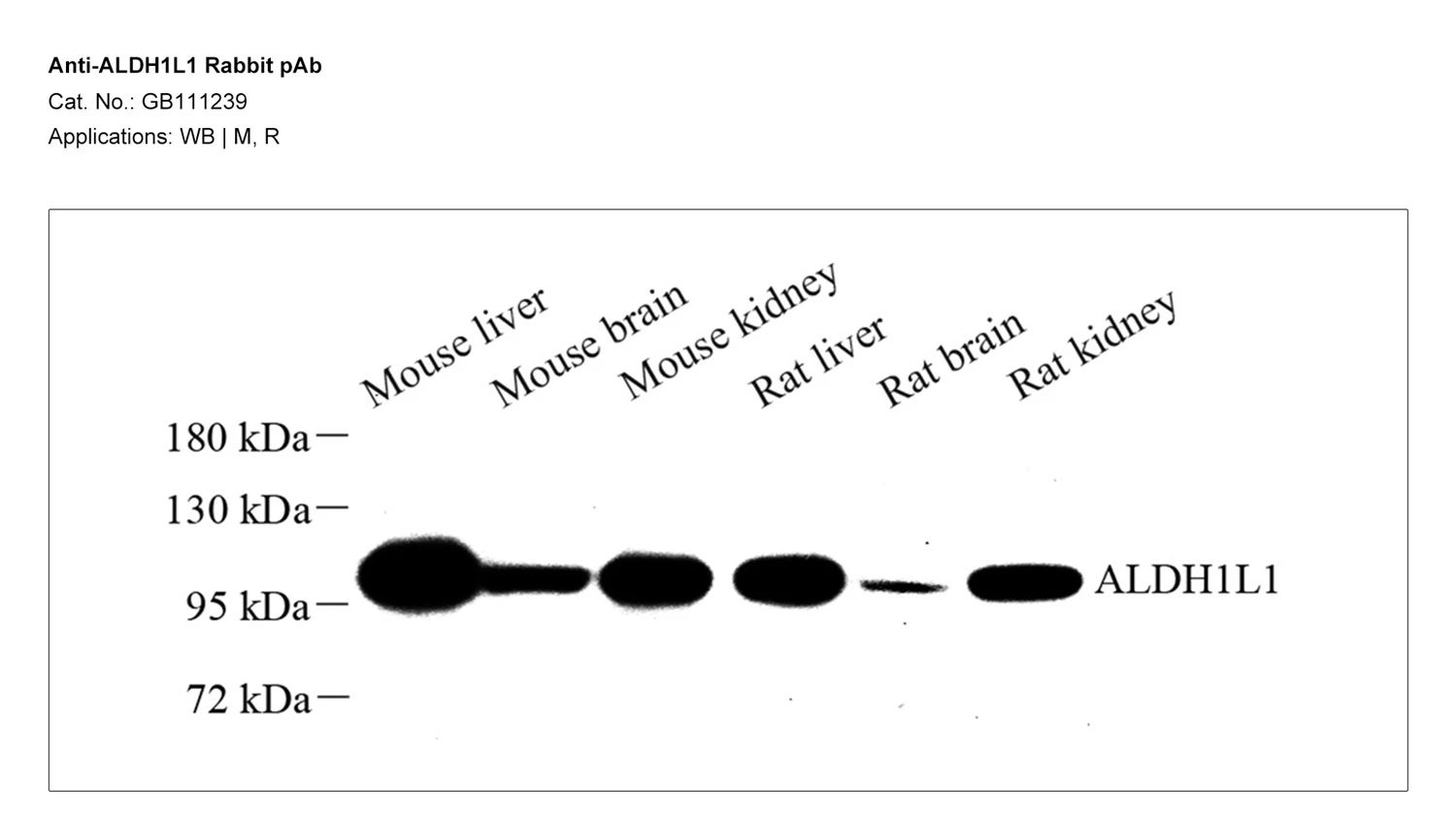
4. ALDH1L1
Cat. No.: GB111239
The member of the acetaldehyde dehydrogenase 1 family, L1 (ALDH1L1), also known as 10-formyltetrahydrofolate dehydrogenase (FDH), is a member of the acetaldehyde dehydrogenase superfamily. ALDH1L1 has also been shown to be an astrocyte marker throughout the grey and white matter of the brain.
▇ Oligodendroglia
The main functions of oligodendrocytes are to encircle axons in the central nervous system, to form insulating myelin structures, to assist in the efficient transmission of bioelectrical signals in jumps, and to maintain and protect normal neuronal function.
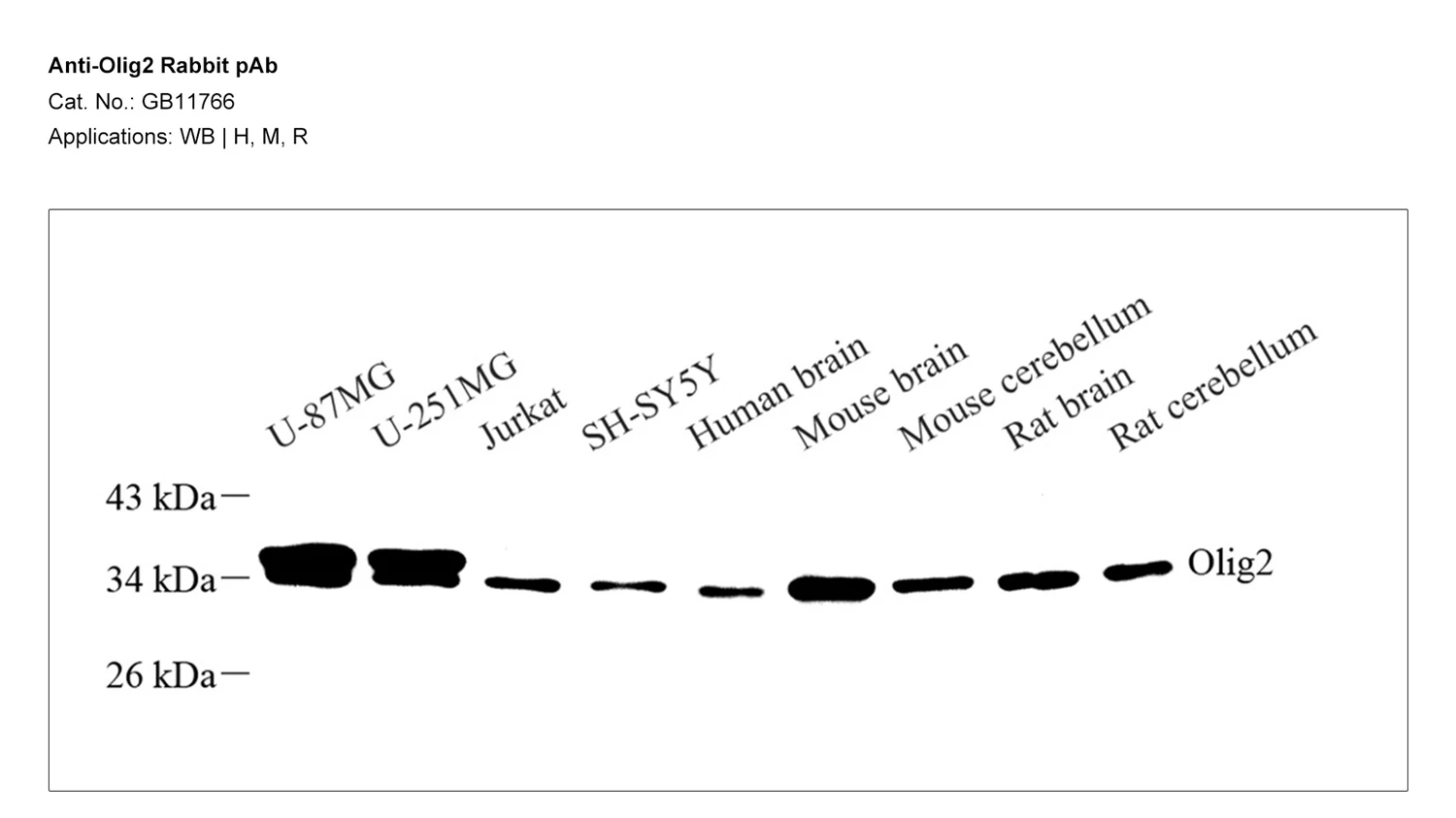
1. Olig2
Cat. No.: GB11766
Olig2 are specific markers of initial and mature oligodendrocytes, which are myelinating cells within the CNS.
2. MBP
Cat. No.: GB12226, GB11226
MBP (myelin basic protein) is the main protein of myelin in the central nervous system. It is located on the myelin plasma membrane surface, maintains the structure and function of CNS, and has neural tissue specificity.
MBP is generally used as a marker for oligodendrocytes in the CNS.
▇ Microglia
Microglia are neuroglial cells present throughout the brain and spinal cord. As the resident macrophages of the brain, these cells play an important role as the first line of defense of immune defense in the central nervous system (CNS).
1. Iba 1
Cat. No.: GB15105, GB153502, GB12105, GB11105
Iba 1 can remodel the microglial actin cytoskeleton in microglia. It is involved in the morphological changes associated with activated microglia / macrophage status, and it is therefore widely used as a marker of microglia / macrophages in the brain and other tissues.
See more antibodies at the www.servicebio.com


