Mammalian B cells are primarily classified into progenitor B cells, pre-B cells, immature B cells, follicular B cells, marginal zone B cells, memory B cells, plasma cells, and other types.
1. Progenitor B Cells
Progenitor B cells are ancestor cells with limited self-renewal capacity, divided into early pro-B cells and late pro-B cells. During the early pro-B cell stage, heavy chain D-J rearrangement occurs, while during the late pro-B cell stage, heavy chain V-D-J rearrangement occurs. These cells also express B-lineage-specific markers, such as Thy-1+, Tdt+, B200+, and mb-1+ molecules.
2. Pre-B Cells
The pre-B cell stage begins with the expression of the pre-B cell receptor (pre-BCR), composed of a μ chain and surrogate light chains (including VpreB and λ5 proteins homologous to the light chain V and C regions). Pre-BCR signaling triggers clonal expansion of B cells and inhibits further rearrangement of the heavy chain VDJ, ensuring allelic exclusion. TdT and CD10 are useful markers for distinguishing pre-B cells from other developmental stages of B cells. This stage also expresses differentiation antigens such as MHC II, CD19, CD20, and CD24. Pre-B cells lack responsiveness to antigens and do not exhibit immune functions.
3. Immature B Cells
After development in the bone marrow, pre-B cells mature into immature B cells, which express only complete membrane-bound IgM (mIgM) on their surface. If this mIgM binds to self-antigens in the bone marrow, it leads to cell apoptosis, resulting in clone deletion. Some immature B cells recognizing self-antigens can alter the specificity of their BCR through receptor editing. Immature B cells begin to lose Tdt and CD10 expression but can express CD22, CD21, and FcR. Meanwhile, the expression levels of CD19, CD20, and MHC II molecules increase.
4. Follicular (FO) B Cells
Follicular B cells are the major B cell subset in mice and humans. A small subset of T2 transitional B cells matures into follicular B cells in the bone marrow, but most immature B cells migrate to the spleen, where they mature into follicular B cells or marginal zone B cells. Most mouse and human follicular B cells express high levels of IgD and CD23/FcεRⅡ, along with low levels of IgM. Additionally, these cells express CD22/Siglec-2, and in mice, low levels of CD1d. Compared to marginal zone B cells in mice and humans, follicular B cells have lower levels of CD21. Upon activation, follicular B cells differentiate into short-lived plasma cells peripherally or enter T cell-dependent germinal center reactions.
5. Marginal Zone (MZ) B Cell
In mice, marginal zone B cells reside in the splenic white pulp between the marginal sinus and the red pulp, enabling them to rapidly respond to blood-borne pathogens while participating in both T cell-independent and T cell-dependent immune responses. T2 transitional B cells migrate to the spleen and mature into either marginal zone B cells or follicular B cells. Human marginal zone B cells are circulating cells found not only in the spleen but also in many other locations. In contrast to follicular B cells, marginal zone B cells express high levels of IgM and low levels of IgD and CD23/FcεRⅡ. Additionally, both mouse and human marginal zone B cells express high levels of CD1 (CD1d in mice, CD1c in humans) and CD21.
6. Memory B Cells
Activated naive B cells differentiate into memory B cells in germinal centers, which can rapidly differentiate into plasma cells upon re-exposure to an antigen.
Human and mouse memory B cells are heterogeneous populations. In mice, CD19, CD80, CD73, and PD-L2/CD273 are commonly used to identify memory B cells. In humans, memory B cells are typically identified by the expression of CD27, along with low levels of CD23/FcεRⅡ and the absence of plasma cell marker Syndecan-1/CD138. DEP-1/CD148 is also often used to identify human memory B cells, as are high levels of B7-1/CD80, B7-2/CD86, and CD95.
7. Plasma Cells
Plasma cells are terminally differentiated antibody-secreting cells essential for both immediate and long-term antibody responses following antigen exposure. They are large, non-proliferative cells with minimal surface immunoglobulin expression. Plasma cells secrete large quantities of antibodies and are considered more mature than their precursor cells, plasma blasts. Short-lived plasma cells typically emerge in the splenic red pulp immediately after infection, while long-lived plasma cells appear weeks after antigen exposure, often residing in specialized niches in the bone marrow.
Mouse and human plasma cells are commonly identified as CD19-Syndecan-1/CD138+ cells. Human plasma cells also express high levels of CD38, while mouse plasma cells express Ly6k, Sca-1/Ly6, and CD98, but not B220/CD45R. Additionally, both mouse and human plasma cells do not express IgD, exhibit low levels of MHC class II molecules, and high levels of CD27, CXCR4, BCMA, and transcription factors XBP1, IRF4, and BLIMP1.
▇ B Cell Marker
CD19: GB11061-1, GB12061, GB15006, GB15061
CD20: GB11540
CD22: GB115558
CD27: GB11583
CD30: GB111140
CD38: GB114831, GB114832
CD40: GB115671
CD45: GB113885, GB113886
CD74: GB115427, GB115175
CD138: GB115052
VPREB1 / CD179A: GB114476
IgM: GB112040
Note: Servicebio's antibodies may only be used in scientific research.
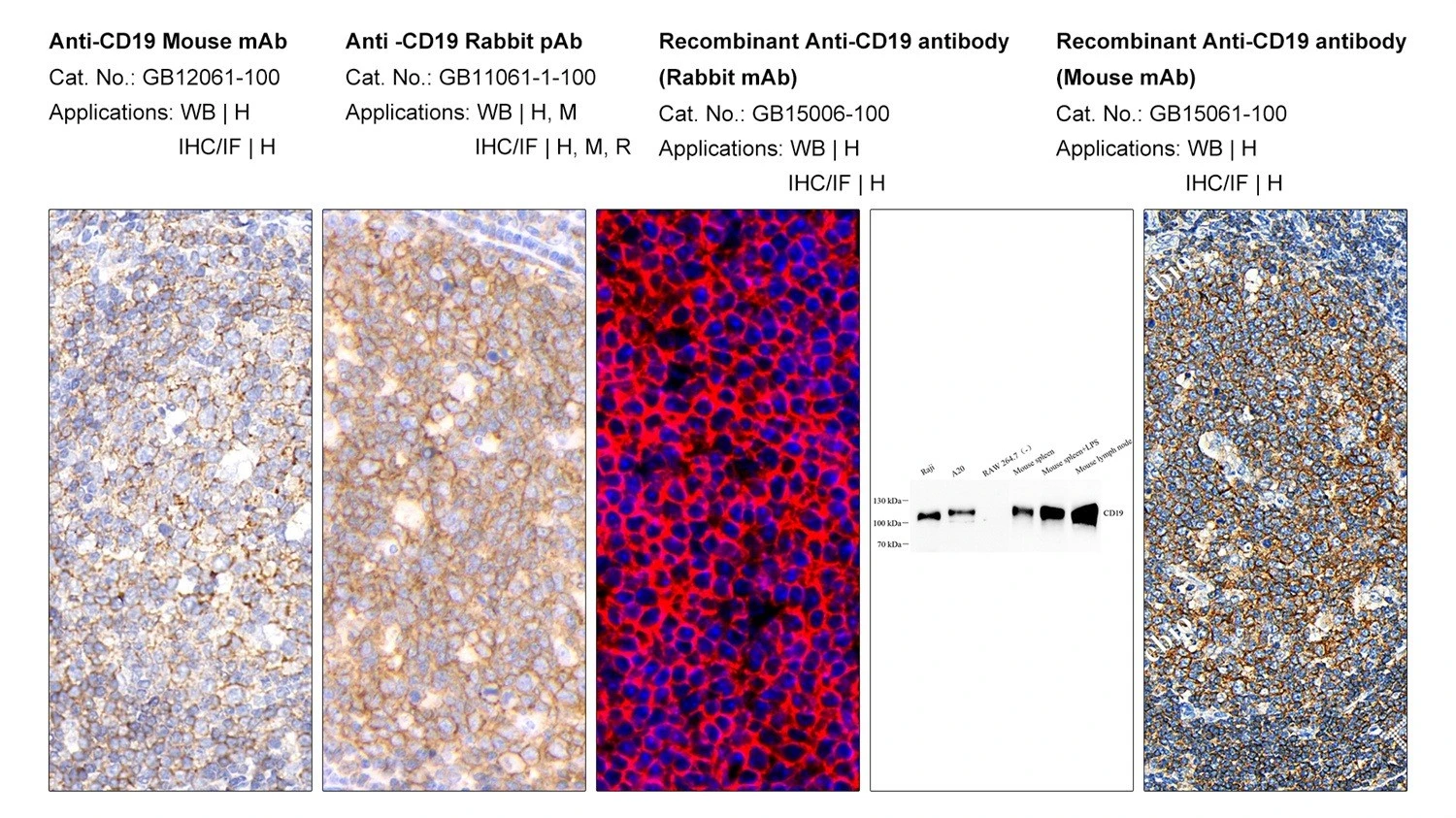
1. CD19
Cat. No.: GB11061-1, GB12061, GB15006, GB15061
CD19 serves as a biomarker for B cells, regulating their development, proliferation, and differentiation through the B cell receptor (BCR), and mediating T cell cytotoxicity against target cells. There are differences in the immunophenotypes of normal and malignant plasma cells. Flow cytometry typically shows that normal plasma cells express CD19, while malignant plasma cells, being predominantly CD19-negative, exhibit a negative staining pattern.
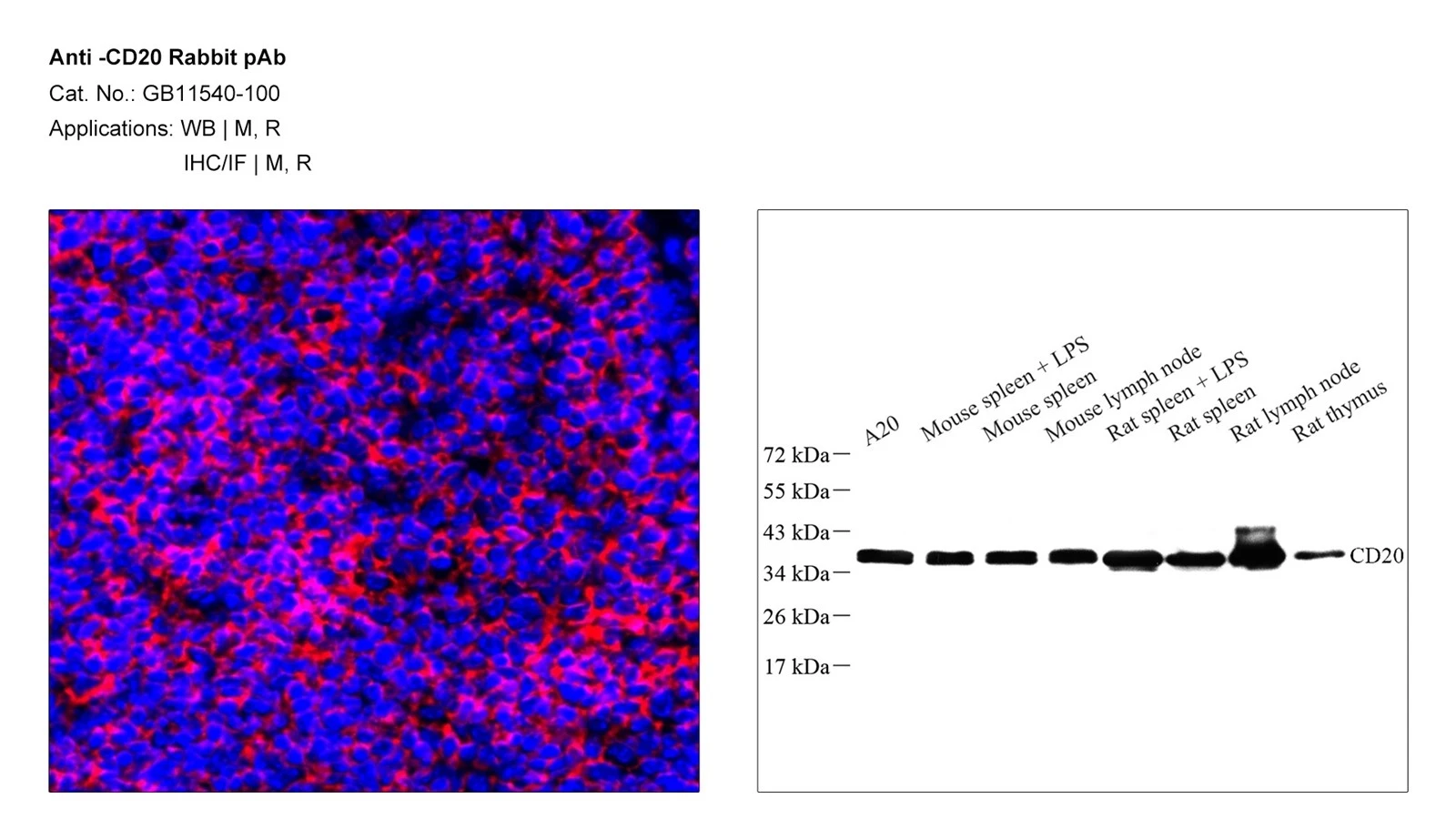
2. CD20
Cat. No.: GB11540
CD20 is a lymphocyte surface molecule, a classic B-cell marker, expressed from pre-B cells to mature B cells, and lost in plasma blasts and plasma cells. It has a molecular weight of 33 to 37 kDa and is encoded by the MS4A1 gene located on chromosome 11. Functionally, it is believed to be a calcium channel and regulates B-cell function by binding to the B-cell receptor.
3. CD22
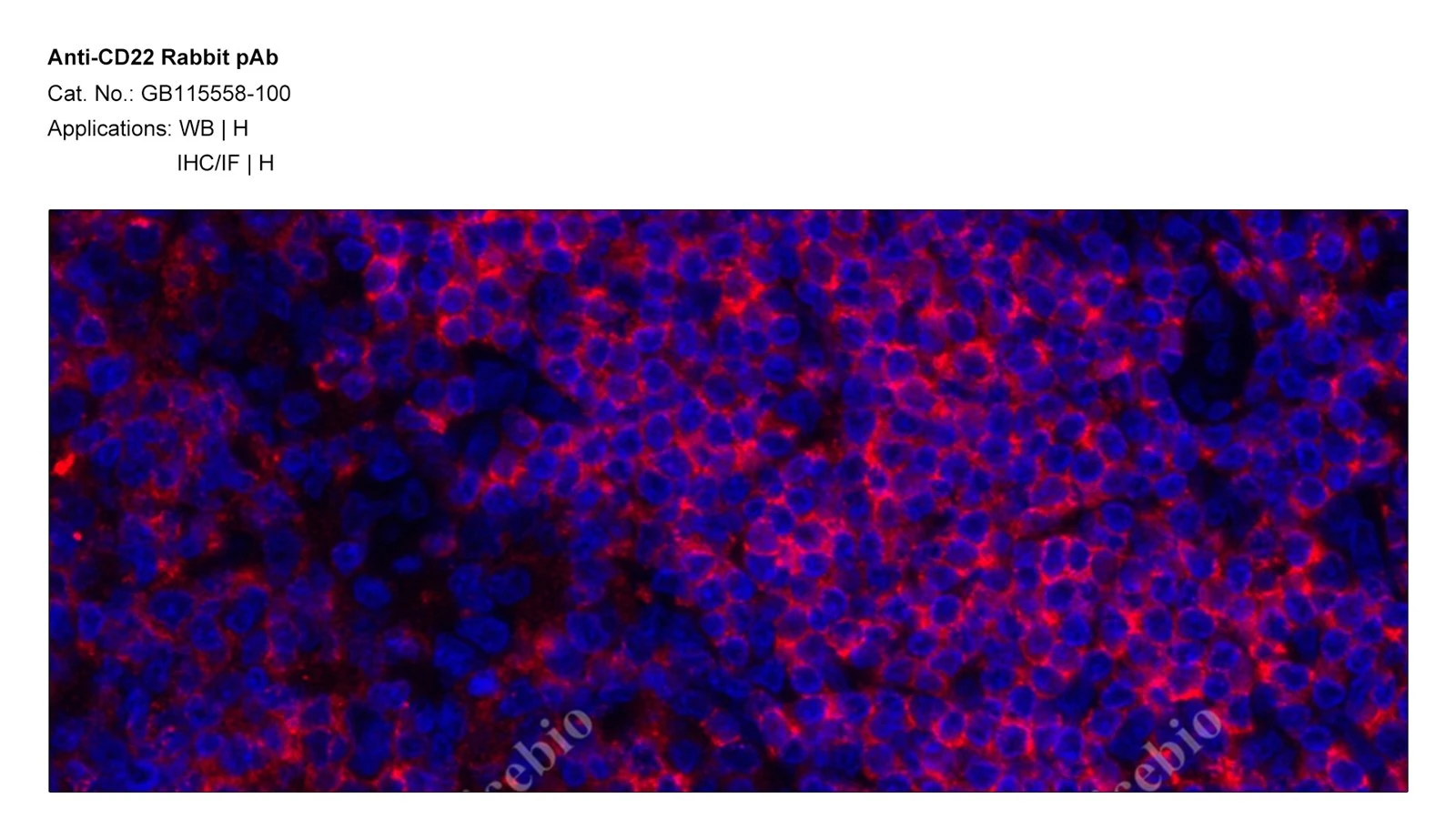
Cat. No.: GB115558
CD22 is primarily expressed intracellularly in early B-cell development, including pro-B and pre-B cells, and as B cells mature, this expression shifts to the membrane. It is highest in expression in mature B cells and is expressed in most B-cell malignancies, including acute lymphoblastic leukemia (B-ALL), non-Hodgkin lymphoma (NHL), and hairy cell leukemia (HCL). Specifically, CD22 is expressed on leukemia cells in over 90% of ALL patients.
4. CD27
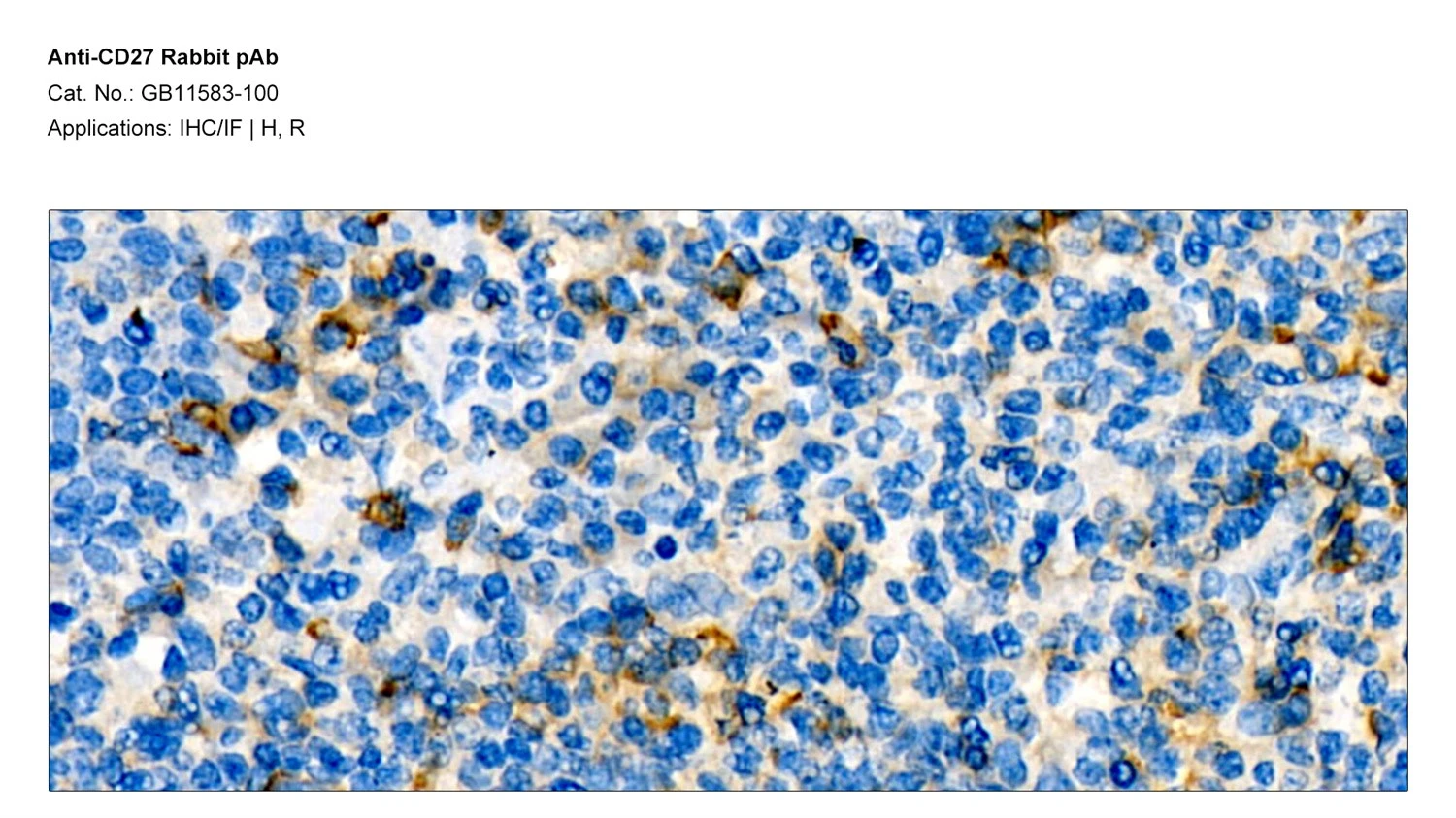
Cat. No.: GB11583
In humans, memory B cells are typically identified by their expression of CD27.
5. CD30
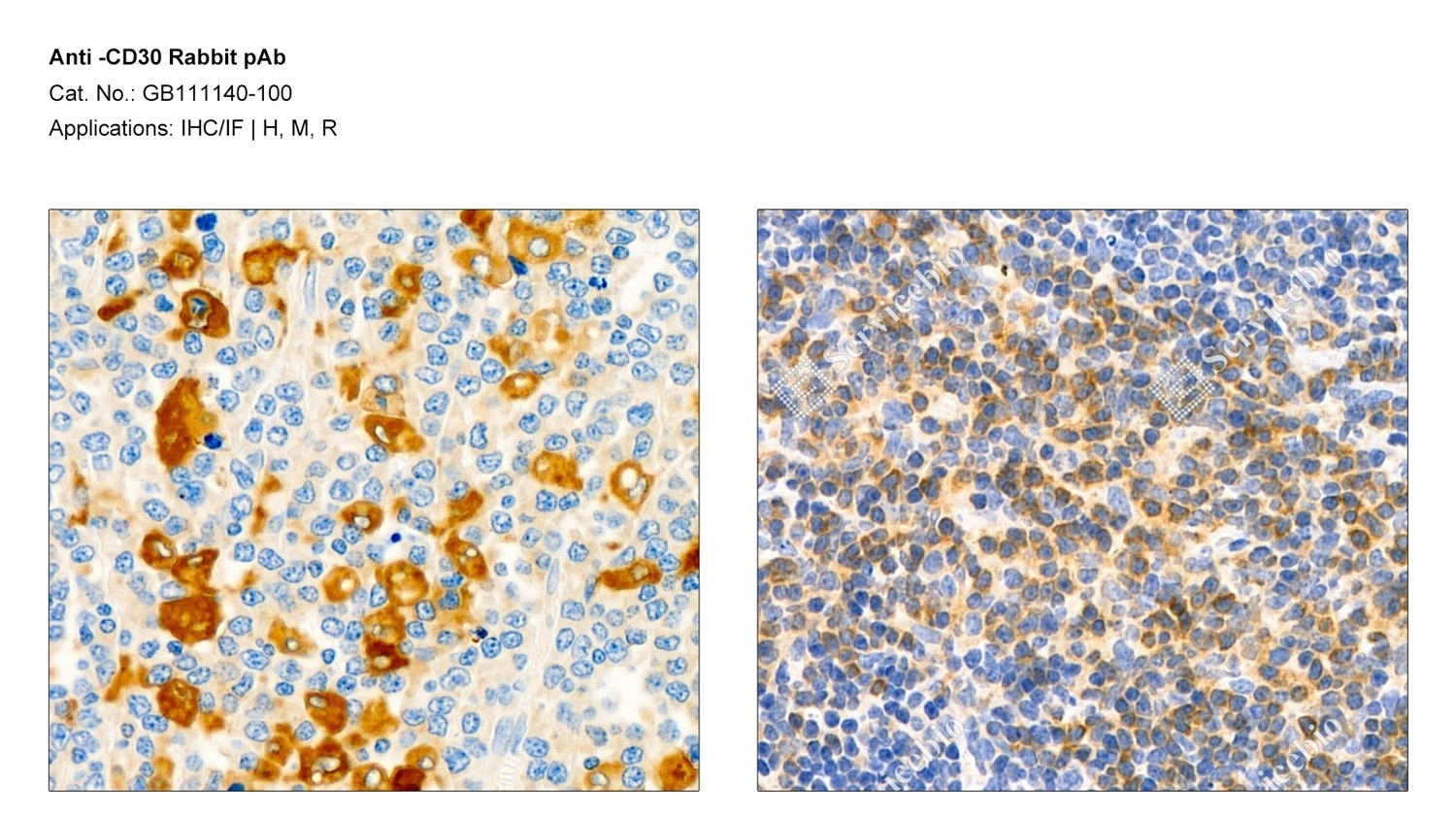
Cat. No.: GB111140
CD30 is a member of the tumor necrosis factor receptor superfamily, primarily expressed on the surface of activated T cells, B cells, and NK cells, with low levels of expression under normal physiological conditions.
6. CD38
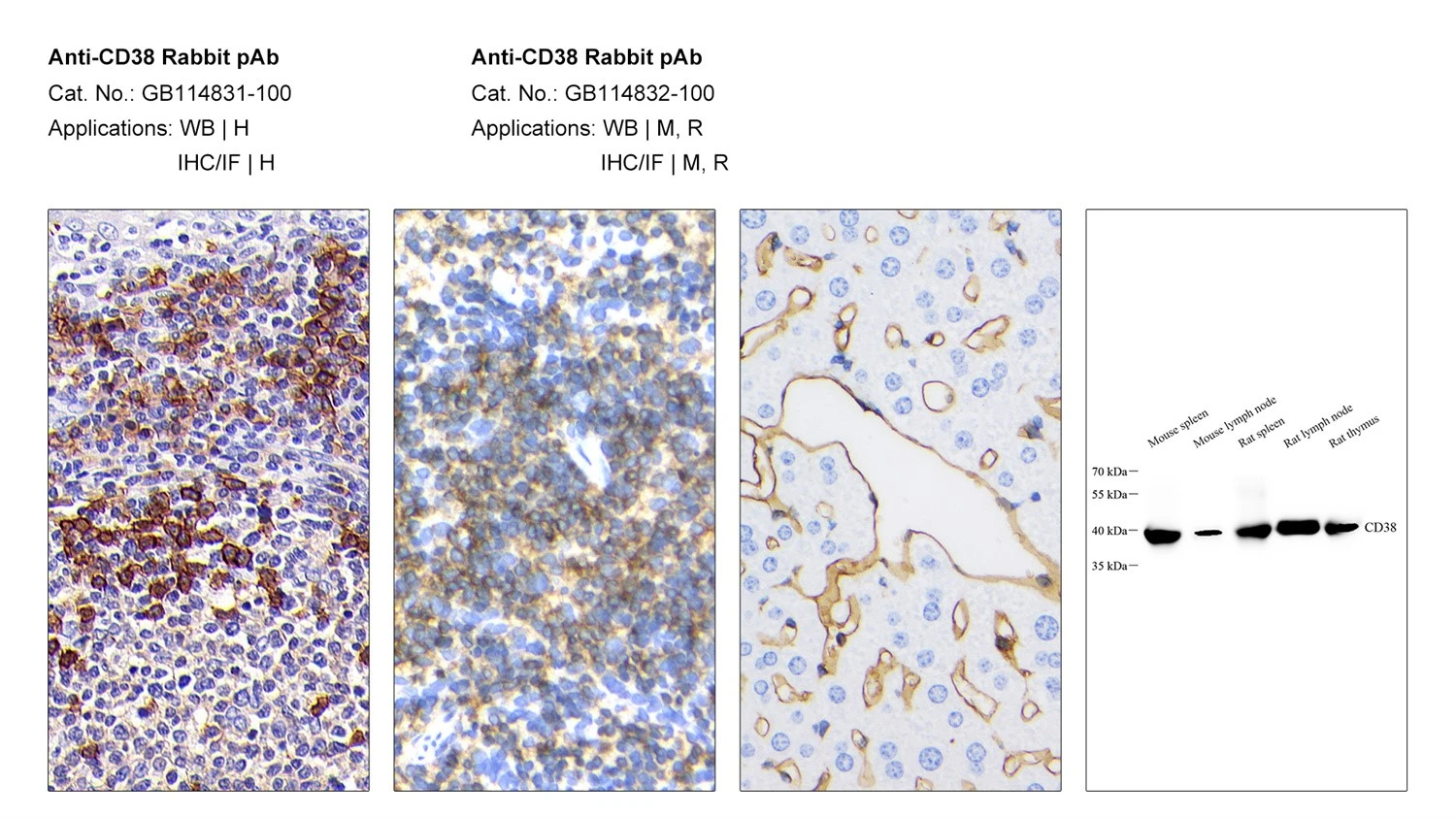
Cat. No.: GB114831,GB114832
CD38 is a prognostic factor for chronic B-cell lymphocytic leukemia (B-CLL). The disease with the highest focus on CD38 is multiple myeloma (MM).
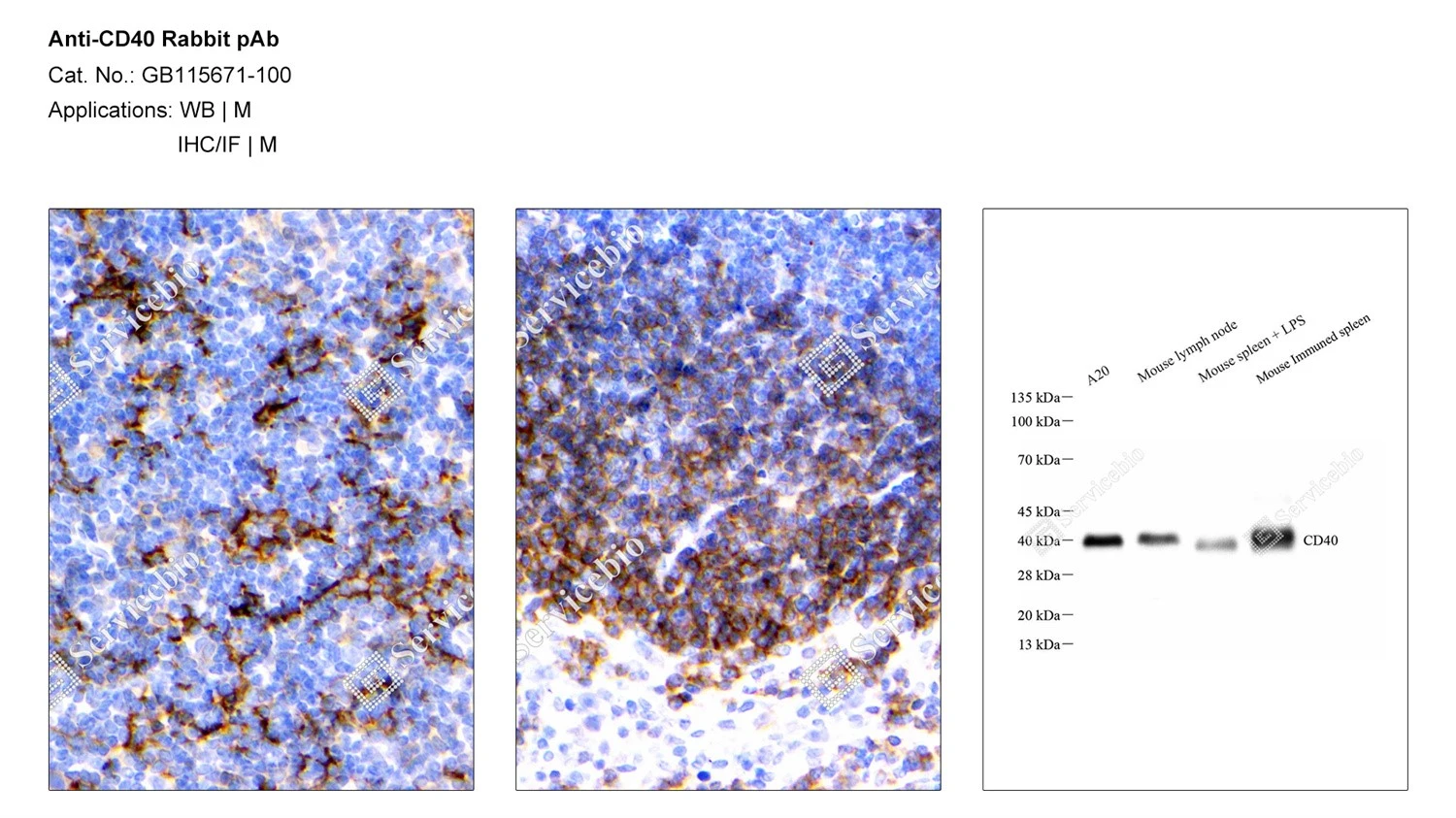
7. CD40
Cat. No.: GB115671
CD40 is a member of the tumor necrosis factor receptor superfamily, widely expressed on immune cells, especially B cells, dendritic cells (DCs), and monocytes. It plays a crucial role in bridging innate and adaptive immunity.
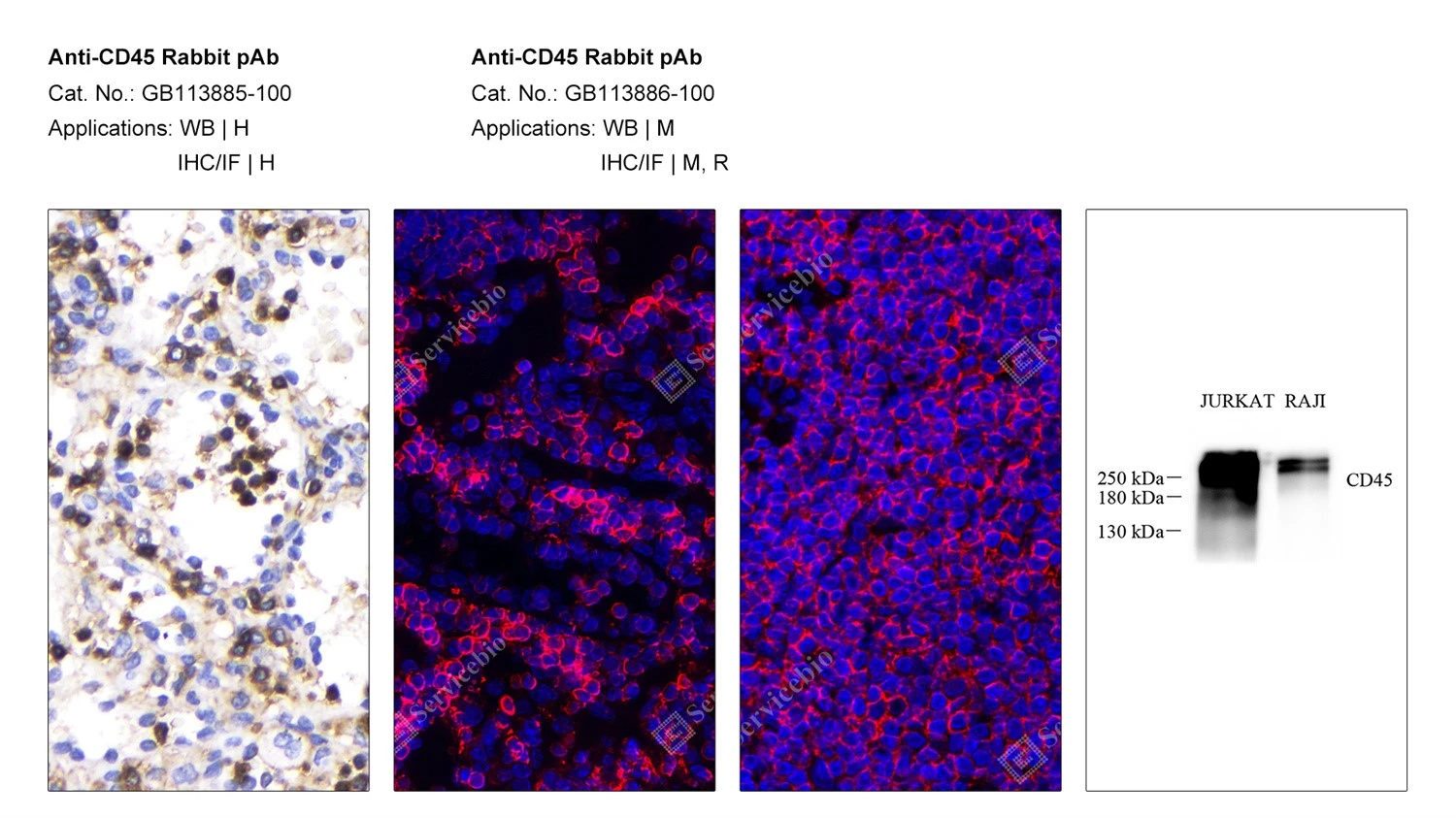
8. CD45
Cat. No.: GB113885,GB113886
CD45 is a type I transmembrane protein tyrosine phosphatase (PTPase) expressed in all hematopoietic stem cells (HSCs) except for red blood cells and platelets.
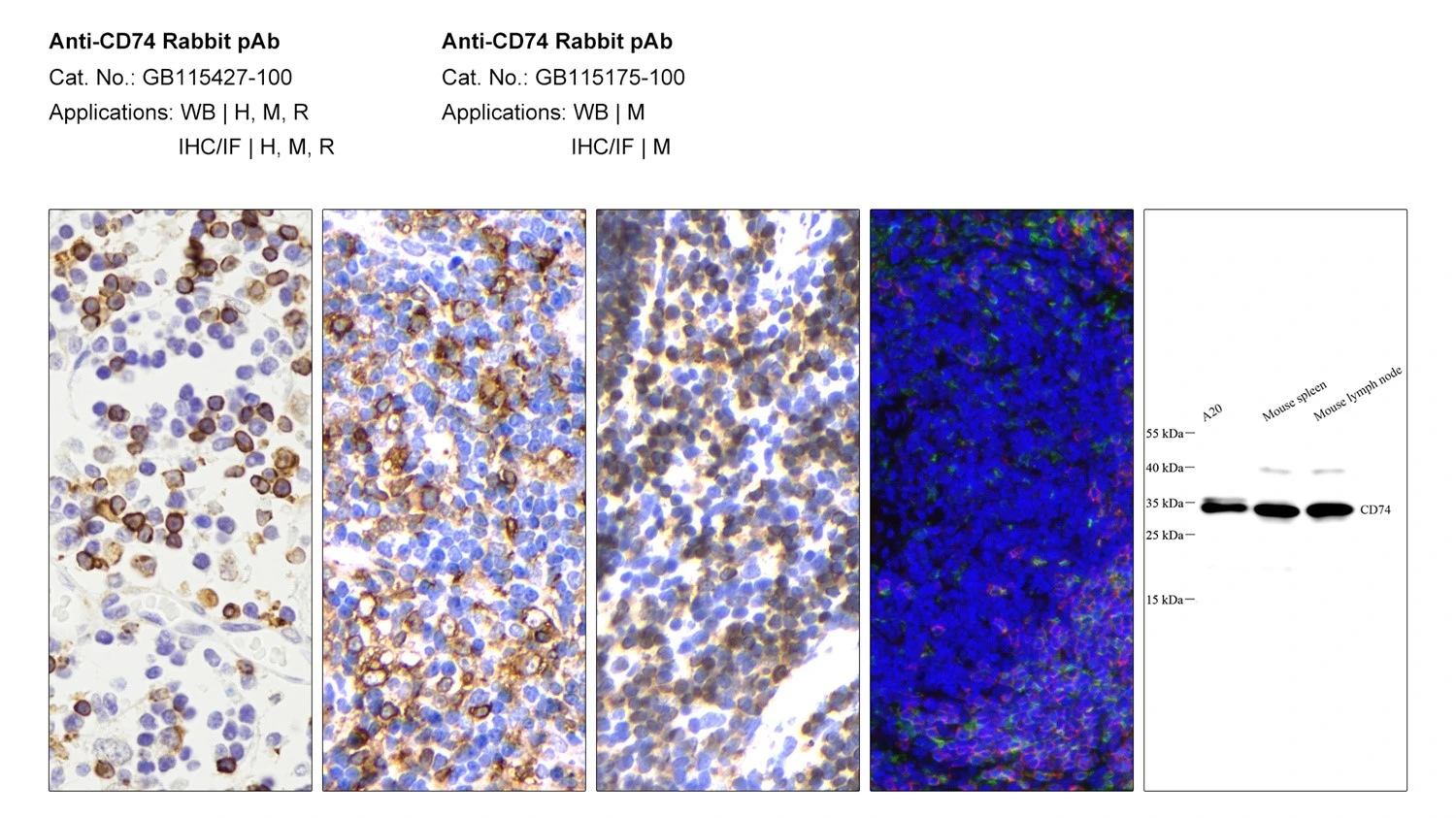
9. CD74
Cat. No.: GB115427,GB115175
CD74 is expressed in all B cells and certain subsets of T cells (MHC II positive), primarily in the germinal center lymphocytes. It is mainly used as a marker for B cells and their derived tumors. Research suggests that CD74 is associated with various human diseases, including autoimmune diseases (such as systemic lupus erythematosus), as well as atherosclerosis, Alzheimer's disease, and cancer. Additionally, CD74 is overexpressed in multiple tumors and is associated with invasion in clear cell renal cell carcinoma, gastric cancer, and pancreatic cancer.
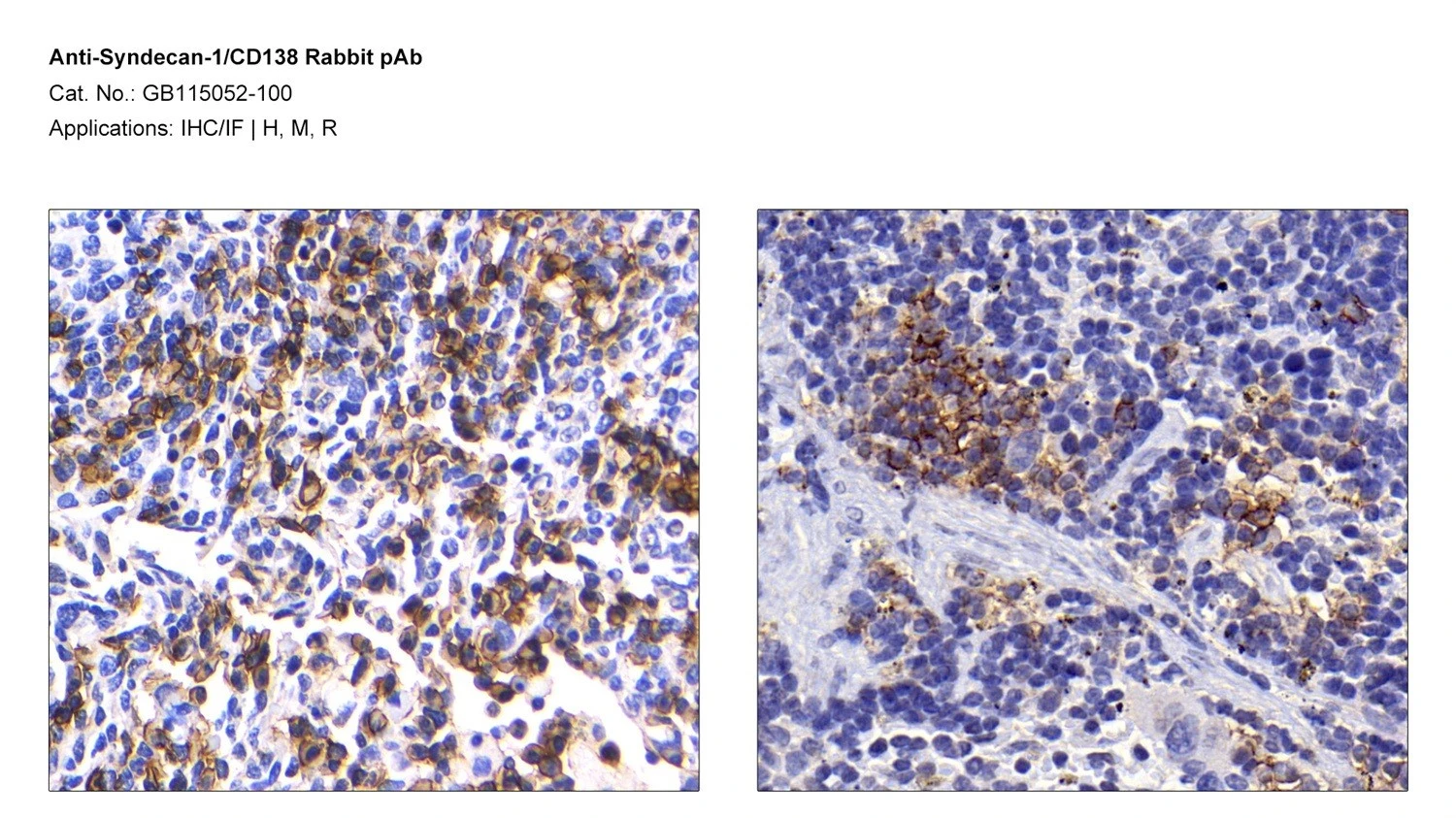
10. CD138
Cat. No.: GB115052
CD138 is a specific marker for plasma cells, also known as effector B cells. They primarily arise from antigen-activated naïve B cells or memory B cells and are responsible for synthesizing and storing antibodies.
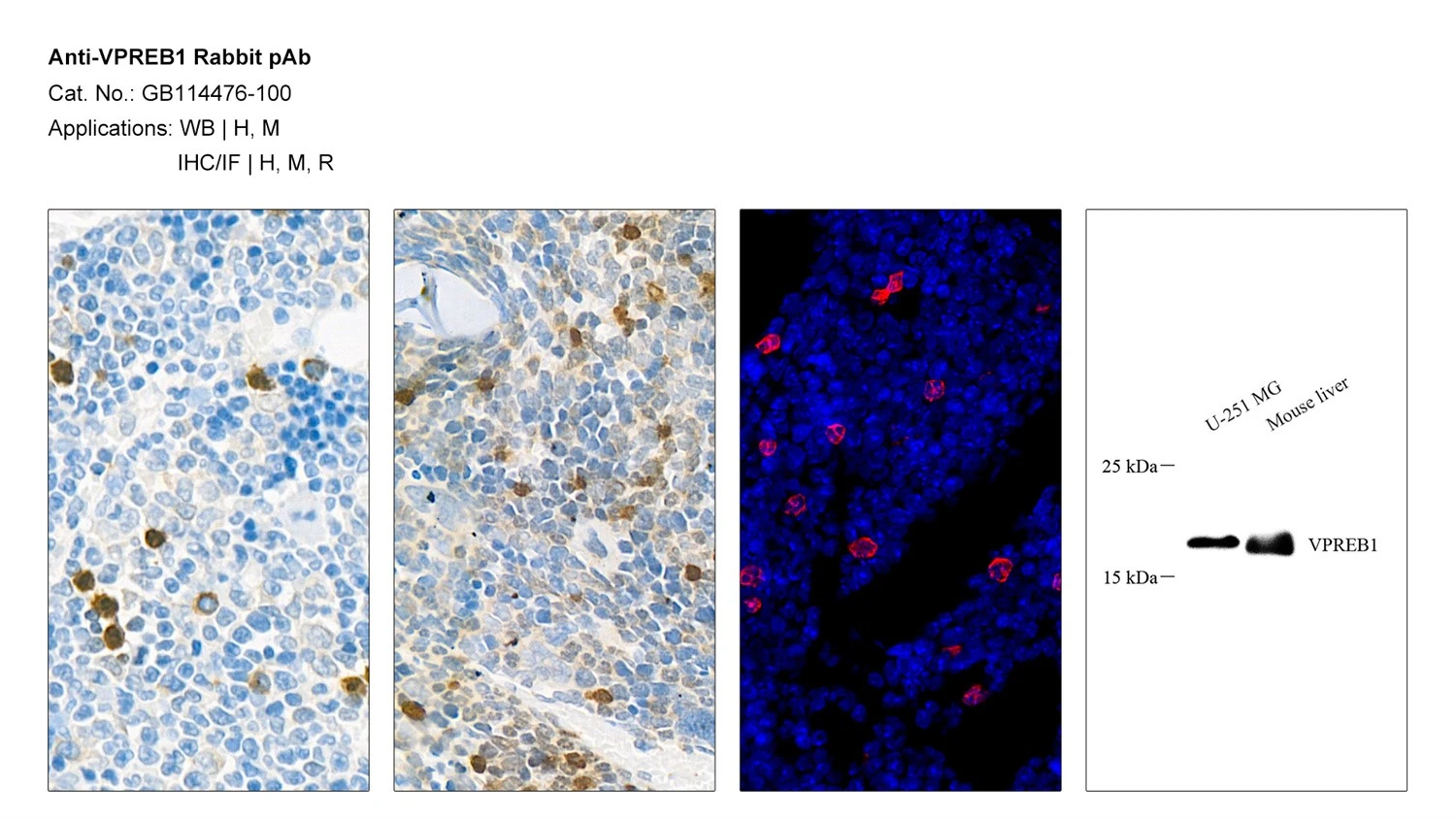
11. VPREB1 / CD179A
Cat. No.: GB114476
The surrogate light chain composed of VPREB1 (CD179A) and lLAMBDA5 (CD179B) is expressed in pre-B cells in an incomplete form of immunoglobulin. Upon differentiation into immature and mature B cells, CD179A/B are lost and replaced by conventional light chains. Therefore, CD179A/B can serve as markers for pre-B cells.
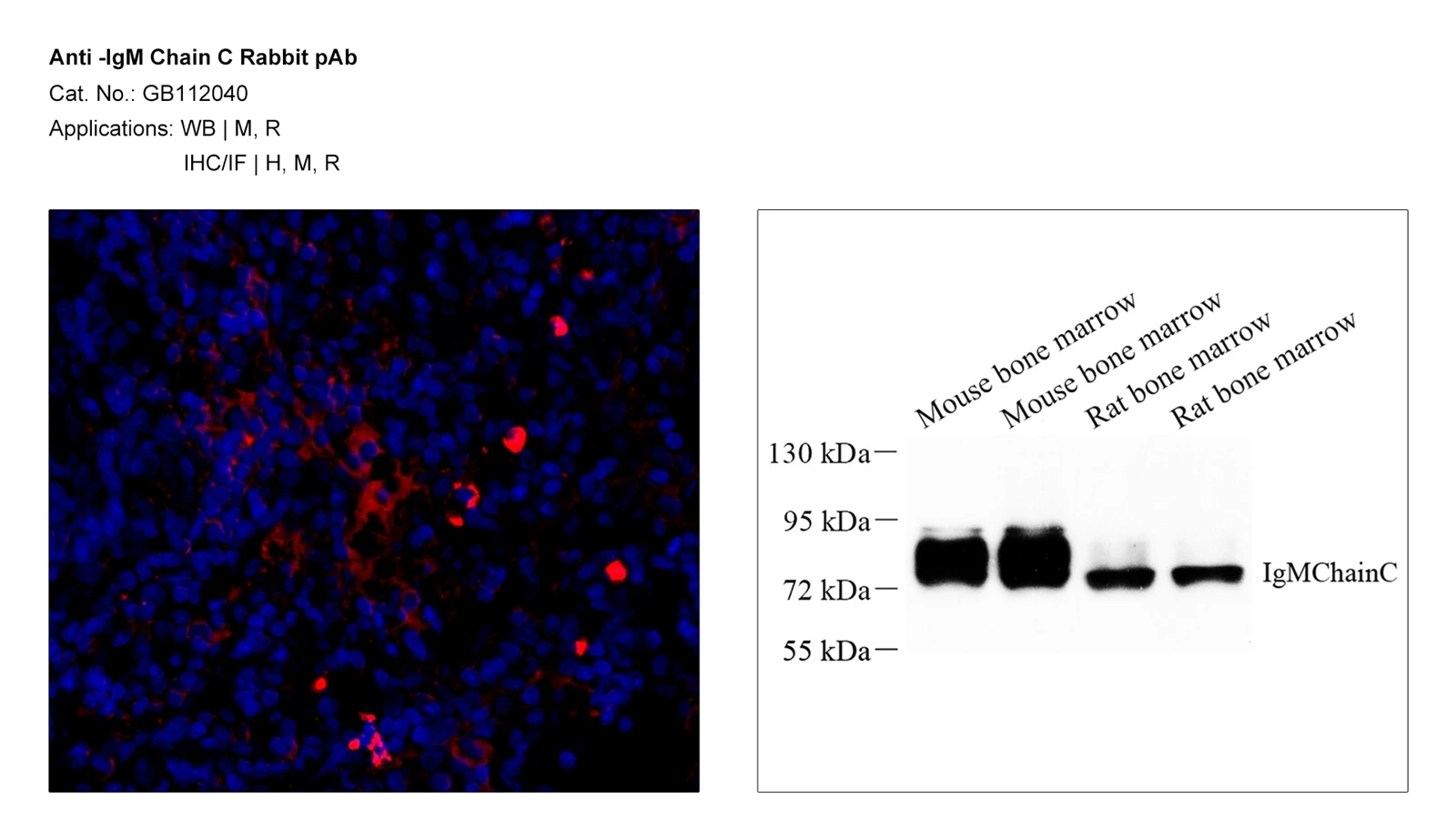
12. IgM
Cat. No.: GB112040
Marginal zone B cells in mice are located in the splenic white pulp between the marginal sinus and the red pulp, while in humans, marginal zone cells are freely recirculating cells found not only in the spleen but also in many other locations. In contrast to follicular B cells, marginal zone B cells express high levels of IgM.