The respiratory system (also respiratory apparatus, ventilatory system) consists of the respiratory tract and the lungs. The respiratory tract includes the nose, pharynx, larynx, trachea and bronchi. The nose, pharynx and larynx are usually called the upper respiratory tract, and the trachea and bronchi at all levels are called the lower respiratory tract.
The lungs are the most important organs in the respiratory system. The adult lung contains 300 to 400 million alveoli, which are repeated branches of the bronchioles. Its wall is thin, composed of a single layer of epithelial cells, and the outer layer is surrounded by a network of capillaries, which is the site of gas exchange.
This article will introduce respiratory-related antibody markers to help scientific research!
Common Antibody Markers for The Respiratory System
1. Tracheal epithelial cell markers
CK5 / CK7 / CK8
2. Alveolar epithelial cell markers
CK18 / CK19 / RAGE / TTF-1 / SP A1 / SP C / Napsin A
3. Lung tumor markers
Lung adenocarcinoma: TTF-1 / Napsin A / CK7
Lung squamous carcinoma: p40 / CK5
4. Pneumonia inflammatory cell markers
T cells: CD3 / CD4
B cells: CD20
Macrophages: CD68 / CD163 / CD206 / F4/80 / SIRP alpha
Neutrophils: Ly6g / MPO
5. Pulmonary Fibrosis Related Proteins
alpha-sma / Collagen I / Collagen III
Note: Servicebio antibody may be used for research purposes only.
Tracheal Epithelial Cell Markers
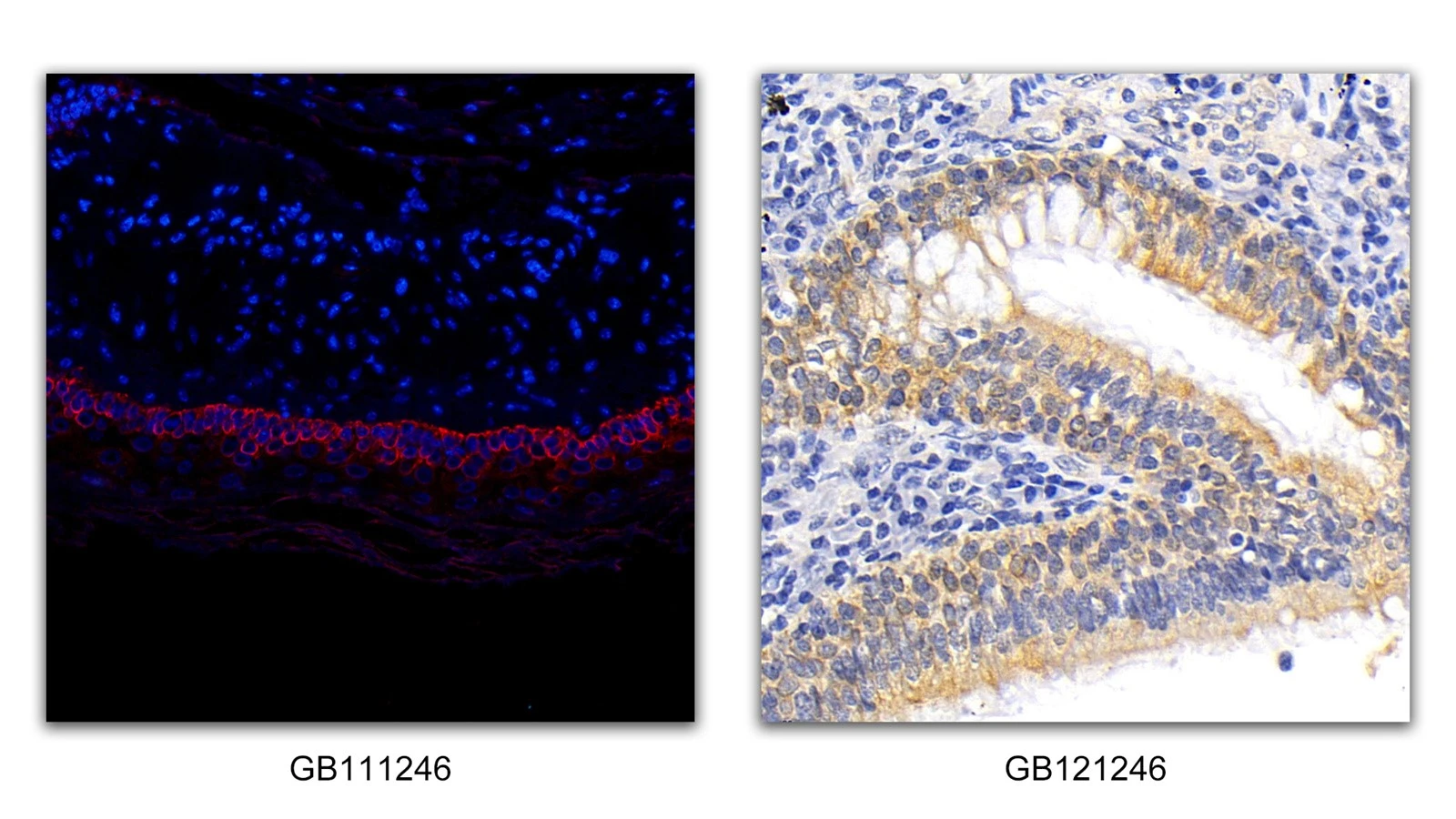
1. Cytokeratin 5 (CK5)
Cat. No.: GB111246 / GB121246
Cytokeratin 5 (CK5) is a basic protein closely related to CK6. They have a similar tissue distribution and are presented in different proportions in many non-keratinizing complex squamous epithelia, e.g., tracheal basal epithelium.
2. Cytokeratin 7 (CK7)
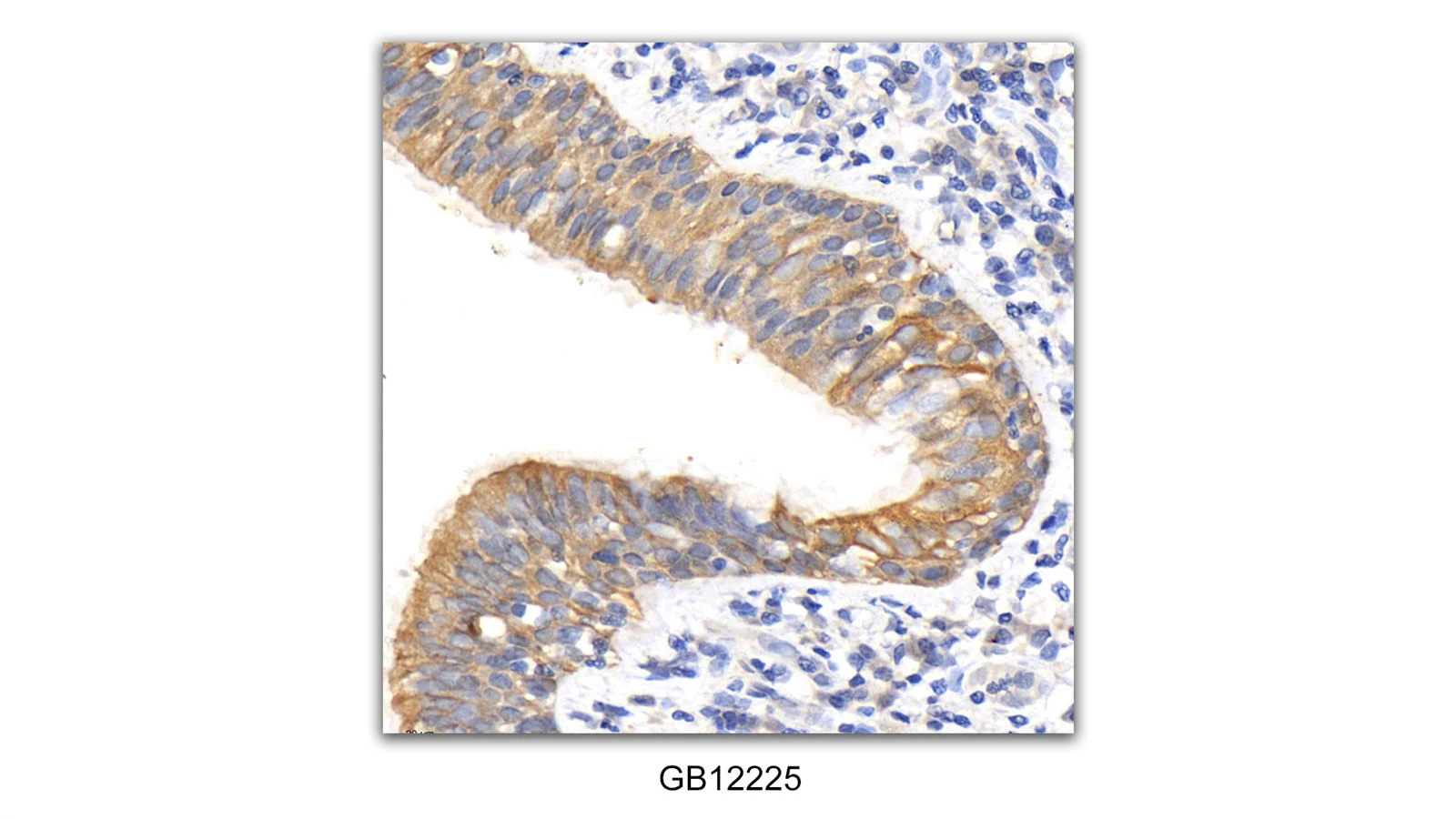
Cat. No.: GB12225
Keratin 7 (CK7) is expressed in bronchi.
3. Cytokeratin 8 (CK8)
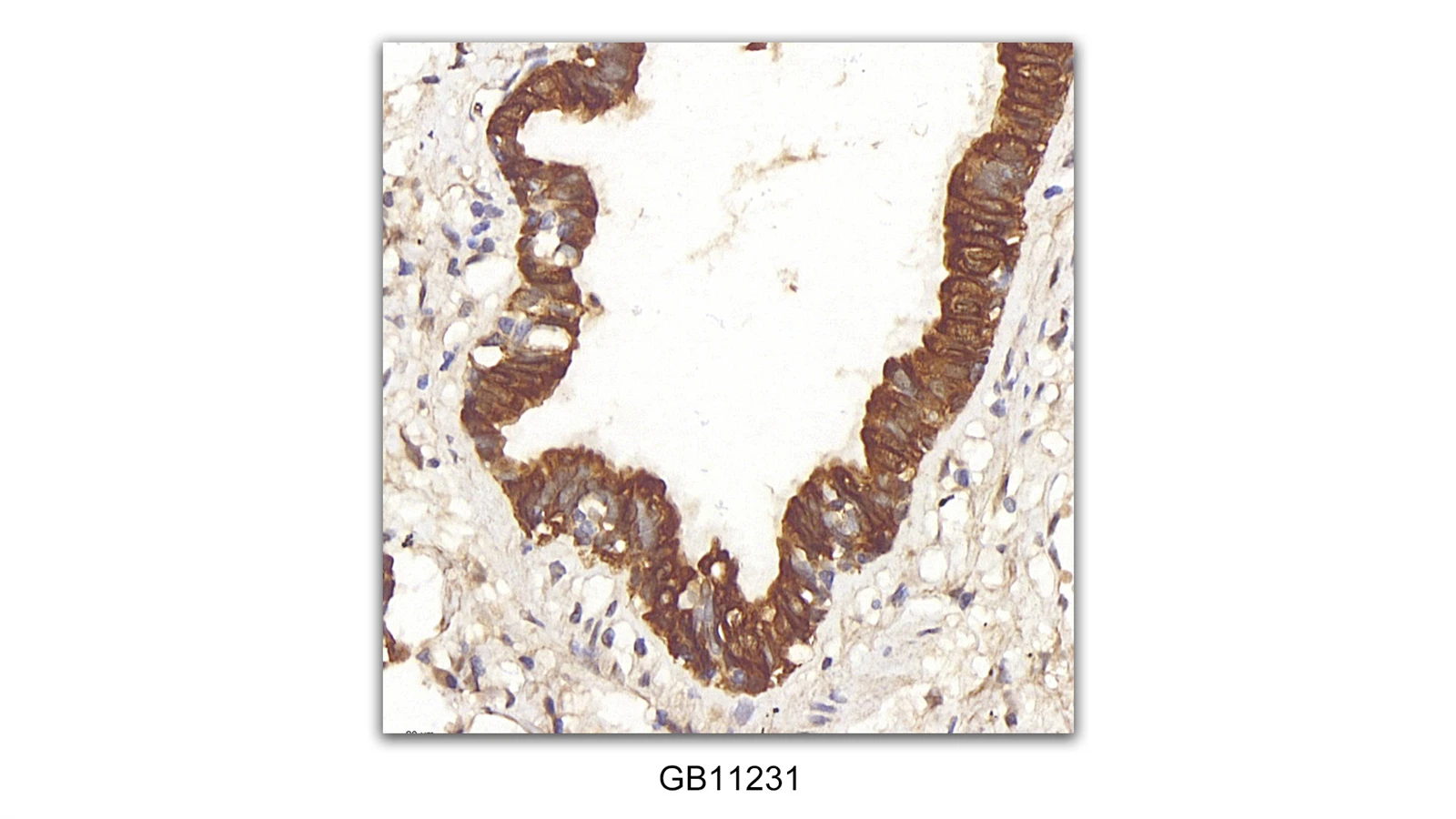
Cat. No.: GB11231
Keratin 8 (CK8) is expressed in the glandular epithelium of the digestive, respiratory, and genitourinary tracts, including endocrine and exocrine cells, as well as mesothelial cells.
Alveolar Epithelial Cell Markers
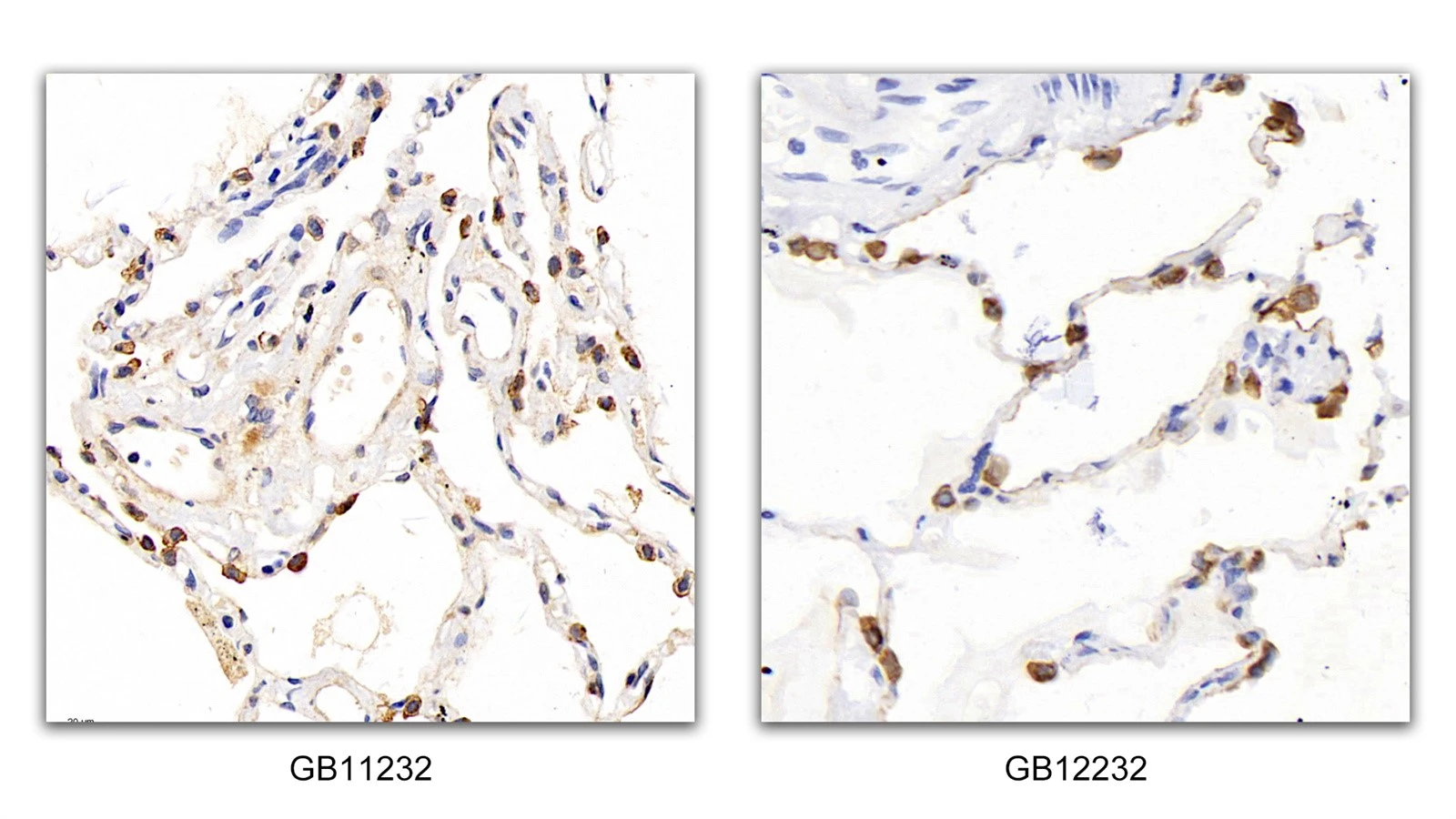
1. Cytokeratin 18 (CK18)
Cat. No.: GB11232 / GB12232
Cytokeratin 18 (CK18) is a type I cytokeratin. CK18 and its filamentous chaperone CK8 are probably the most common intermediate filament genes. CK8/CK18 is expressed in monolayer epithelial tissue.
2. Cytokeratin 19 (CK19)
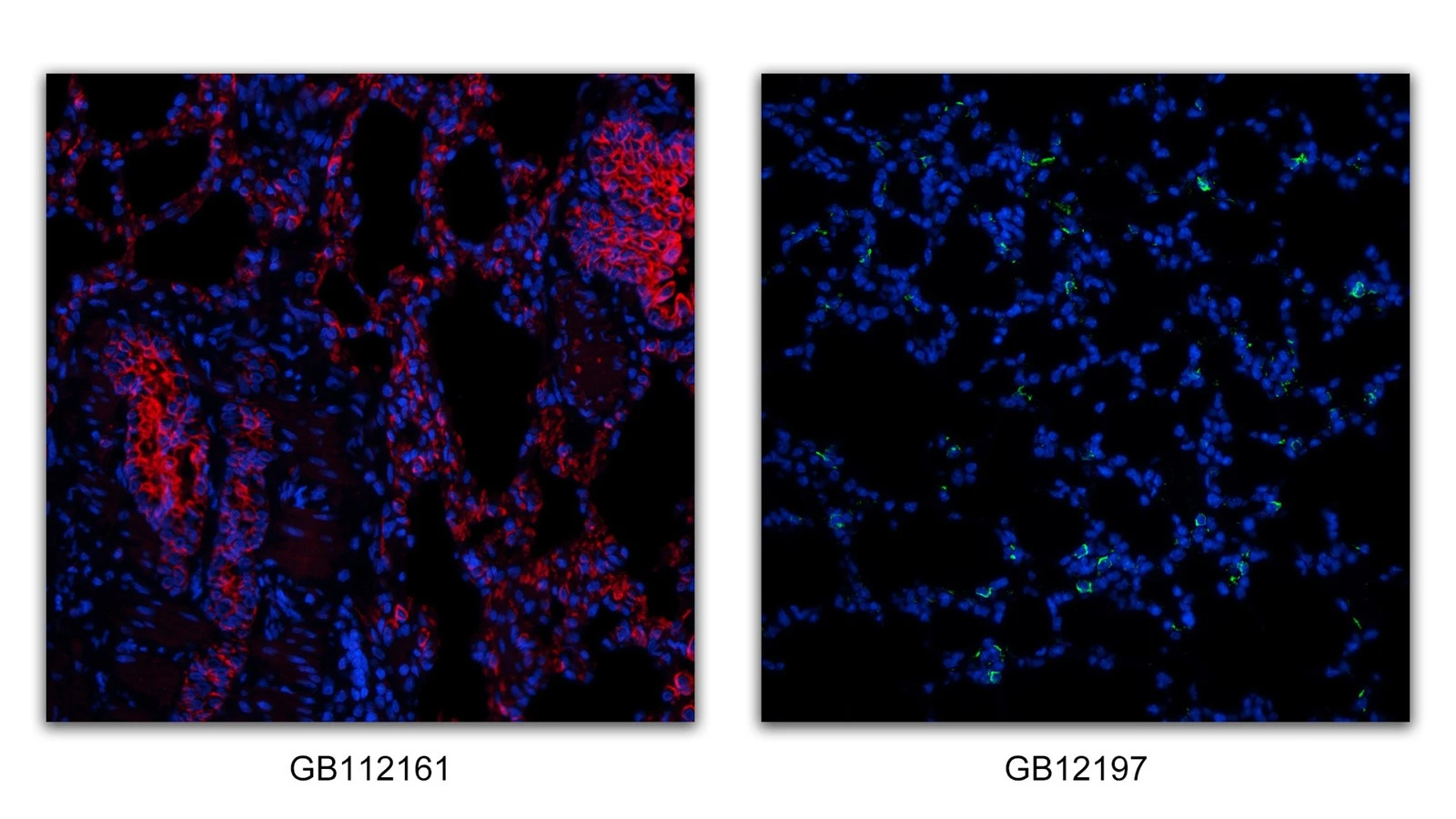
Cat. No.: GB112161 / GB12197
Cytokeratin 19 (CK19) is a characteristic protein component of epithelial cell intermediate filaments and is present in a wide range of normal epithelial tissues.
3. RAGE
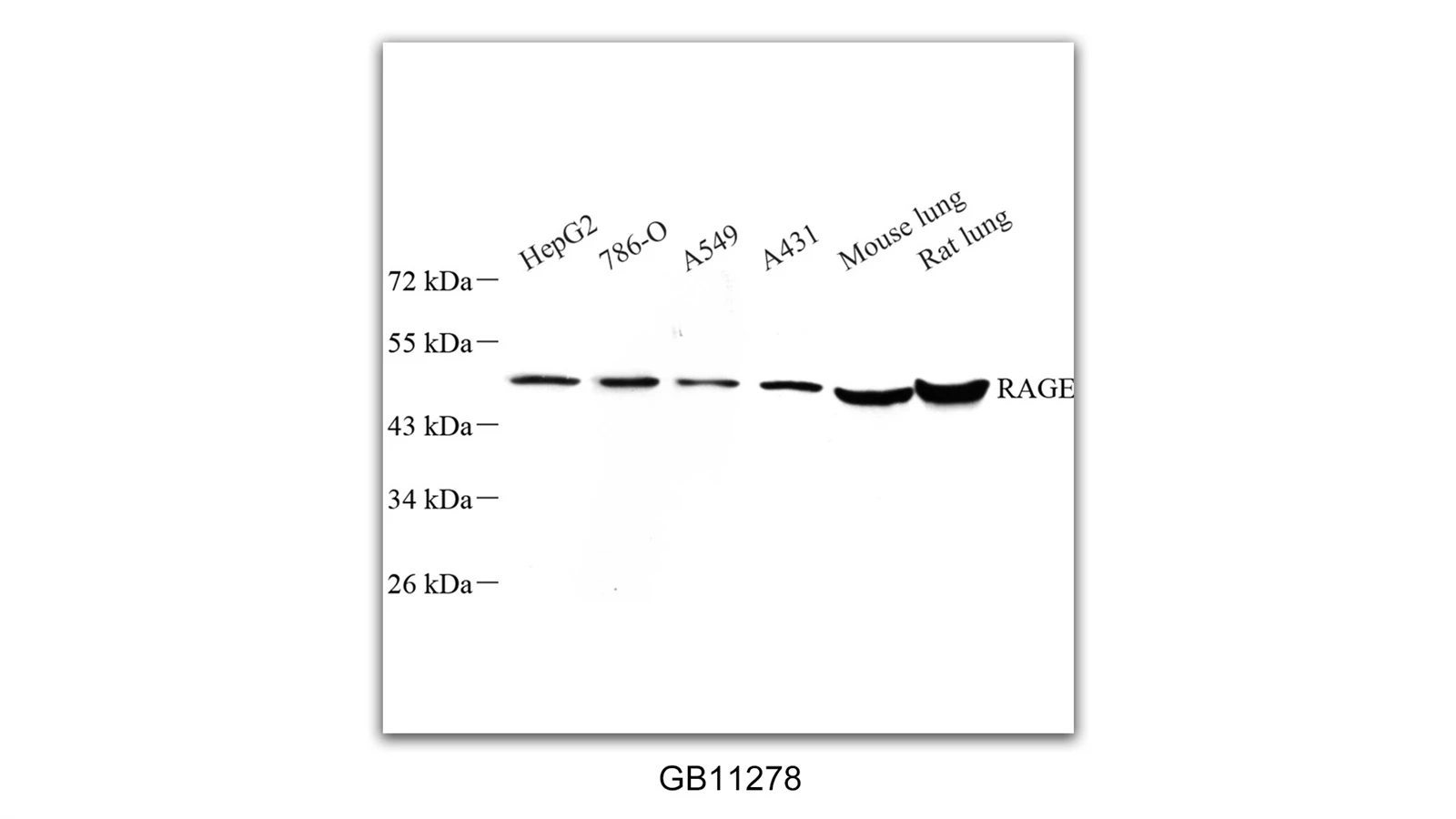
Cat. No.: GB11278
The receptor for advanced glycosylation end products (RAGE) is a member of the immunoglobulin superfamily (IgSF). RAGE is detected during early development and when the lungs are under normal physiologic conditions, and RAGE is upregulated at inflammatory sites.
4. TTF-1
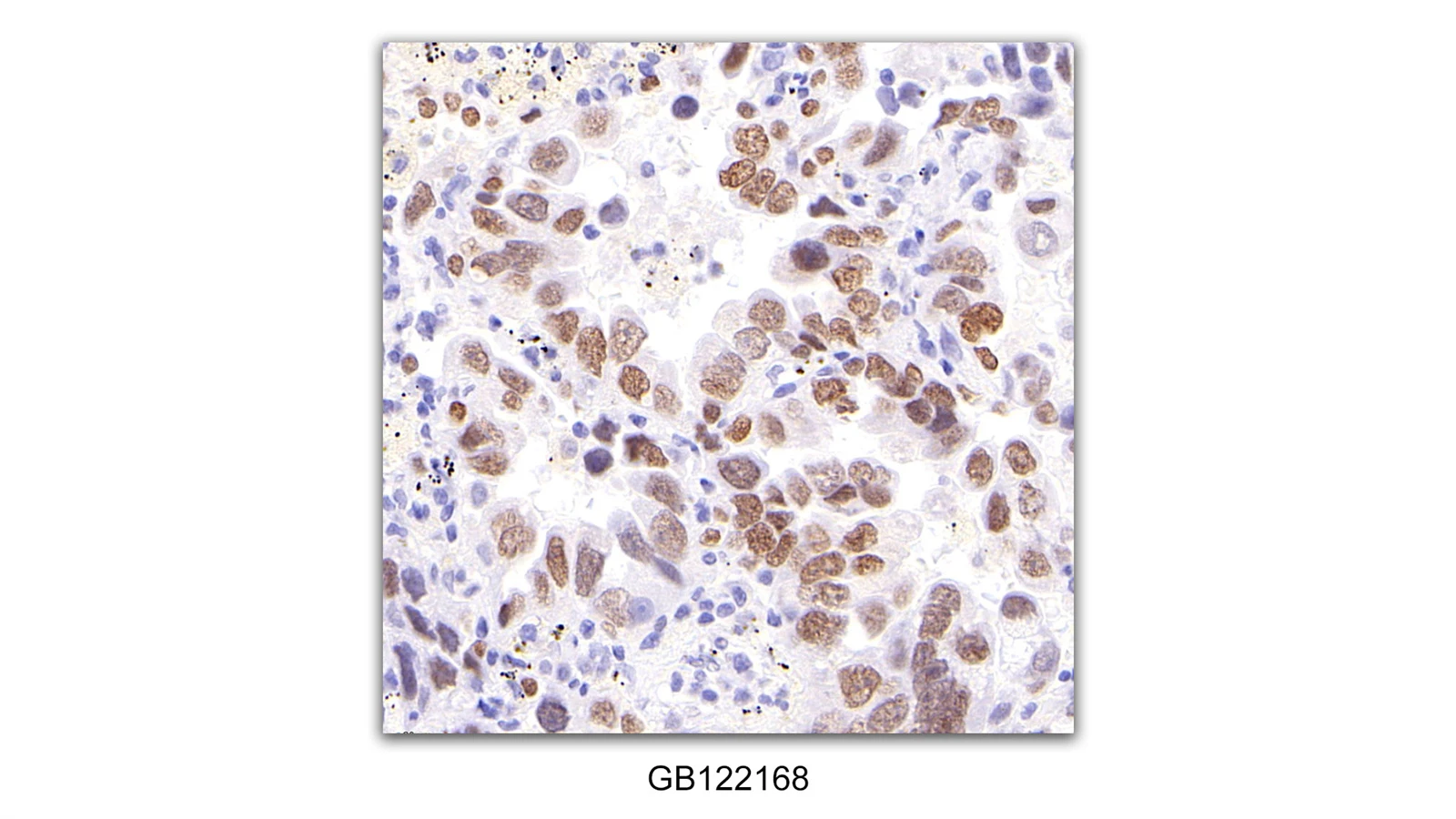
Cat. No.: GB122168
Transcription termination factor 1 (TTF-1), a gene encoding a transcription termination factor localized in the nucleus, plays a key role in ribosomal gene transcription.
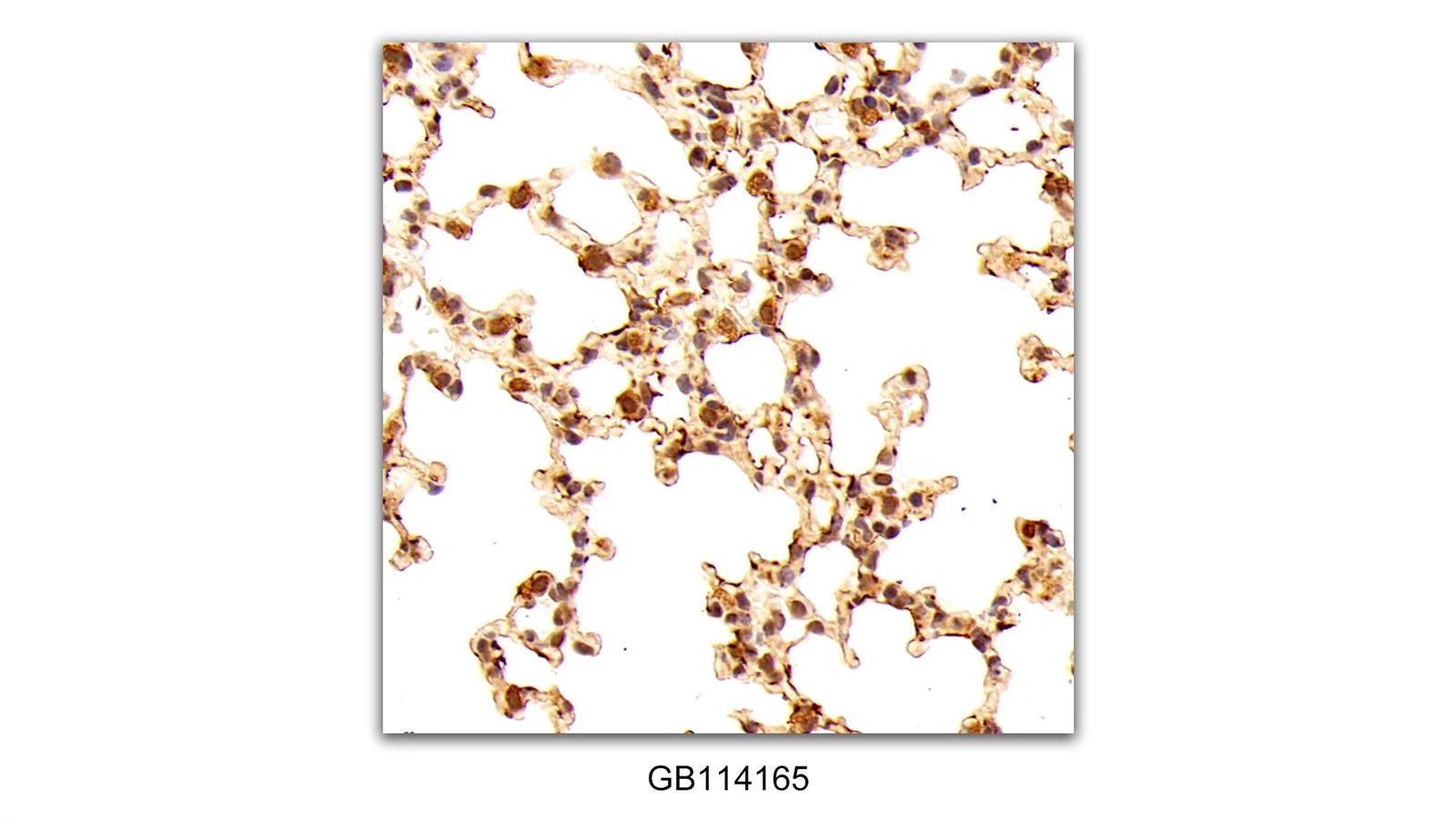
5. Surfactant Protein A1 (SFTPA1/SP A1)
Cat. No.: GB114165
Lung surfactant is a complex mixture of phospholipids and proteins secreted from alveolar airway epithelial cells (type II cells) that reduces the surface tension at the alveolar air-liquid interface, thereby providing the alveolar stability necessary for normal ventilation.
Four different proteins isolated from lung SFTPA are called SFTPA proteins A, B, C, and D. SP A (28-36 kDa) and SP D (43 kDa) are collagenous carbohydrate-binding proteins, whereas SP B (8-9 kDa) and SP C (4 kDa) are noncollagenous hydrophobic proteins.
The human SFTPA1 and SFTPA2 genes encode the SP-A1 and SP-2 proteins, and each gene has been identified as having numerous genetic variants.
6. Prosurfactant Protein C (SFTPC/SP C)
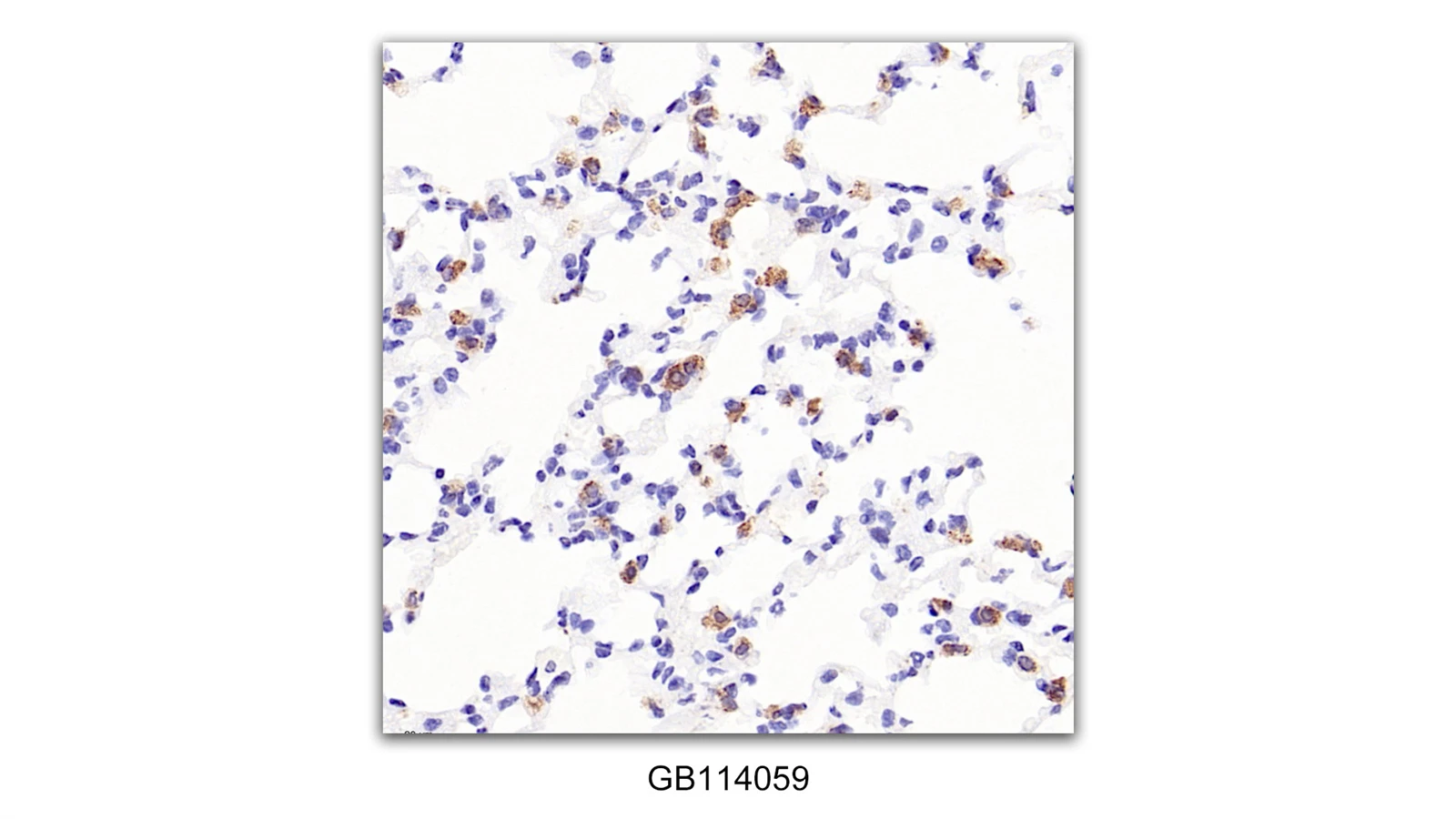
Cat. No.: GB114059
SP C is a 21 kDa fragment of a much larger precursor protein. The precursor contains a 34 amino acid superhydrophobic region that contains most of the mature SP C, as well as a unique polyvaline structural domain.SFTPC deficiency is the cause of lung surface-active substance metabolic dysfunction type 2 (SMDP2). Genetic variants of SFTPC have been associated with respiratory distress syndrome in preterm infants.
7. Napsin A
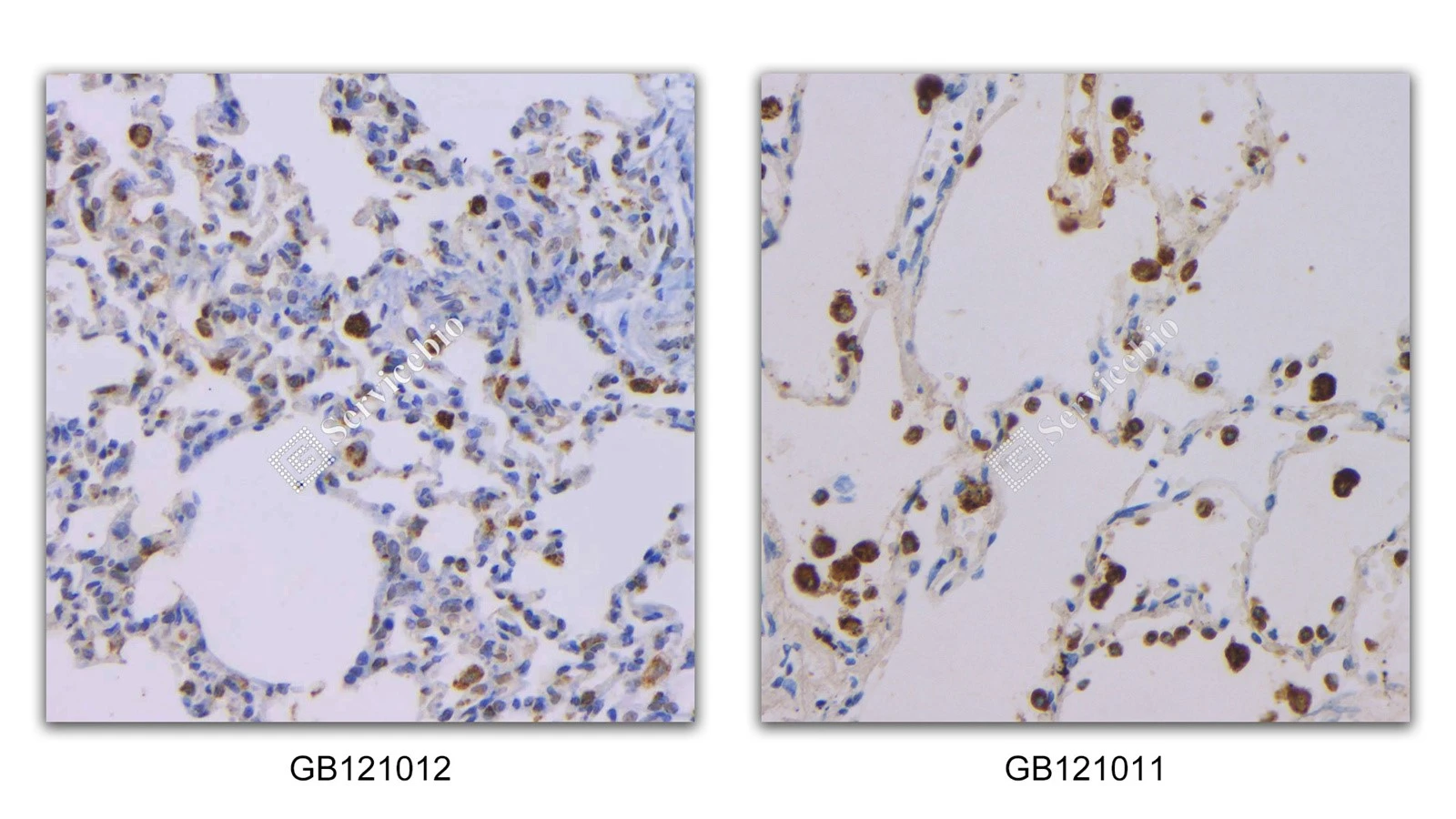
Cat. No.: GB121012 / GB121011
Lung Tumor Markers
Lung Adenocarcinoma
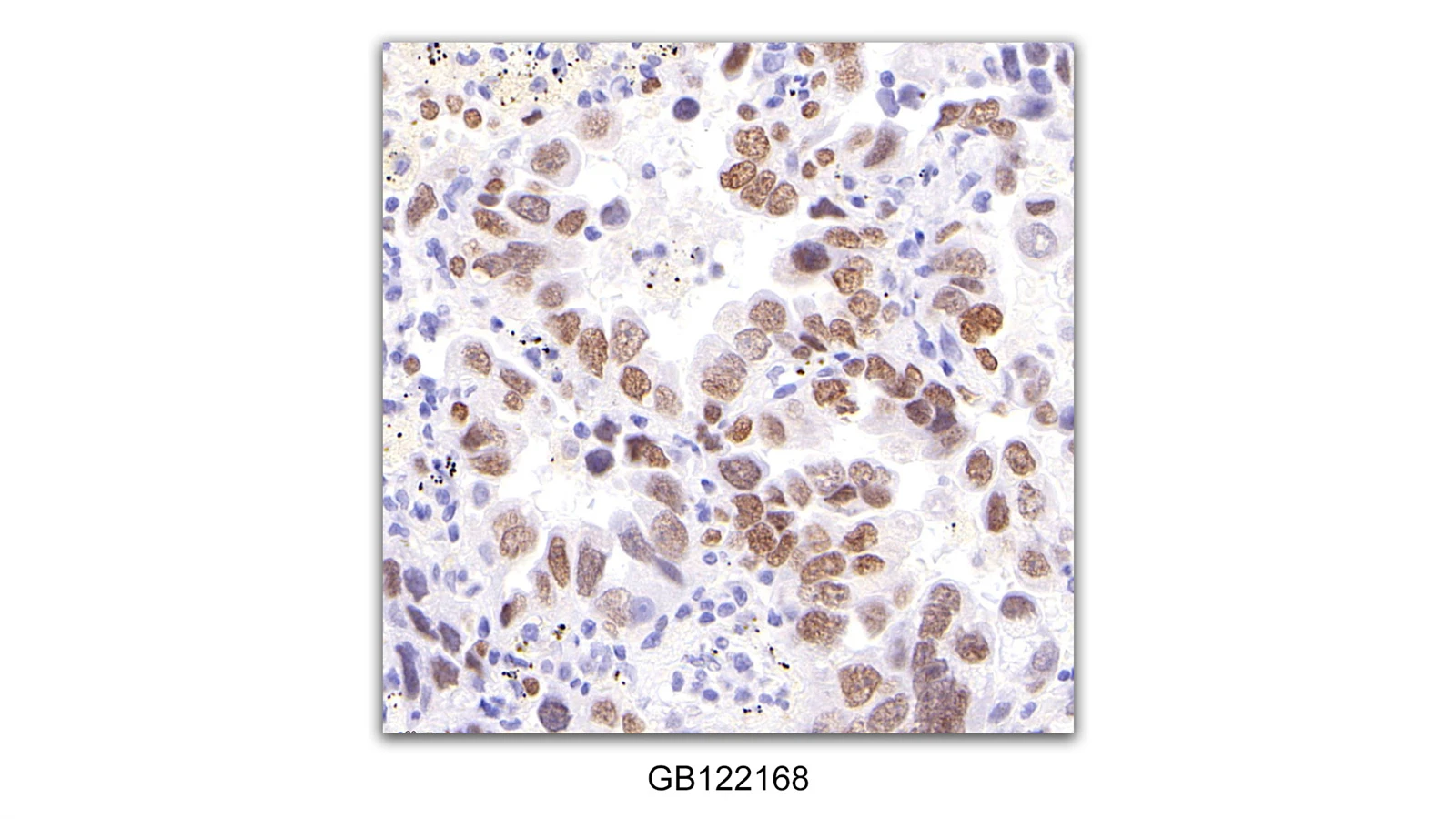
1. TTF-1
Cat. No.: GB122168
TTF-1 is positively correlated with the degree of tumor differentiation, and the more poorly differentiated a tumor is, the more likely it is to be underexpressed.
About 75%-85% of lung adenocarcinomas are positive. Squamous carcinomas usually do not express TTF-1.
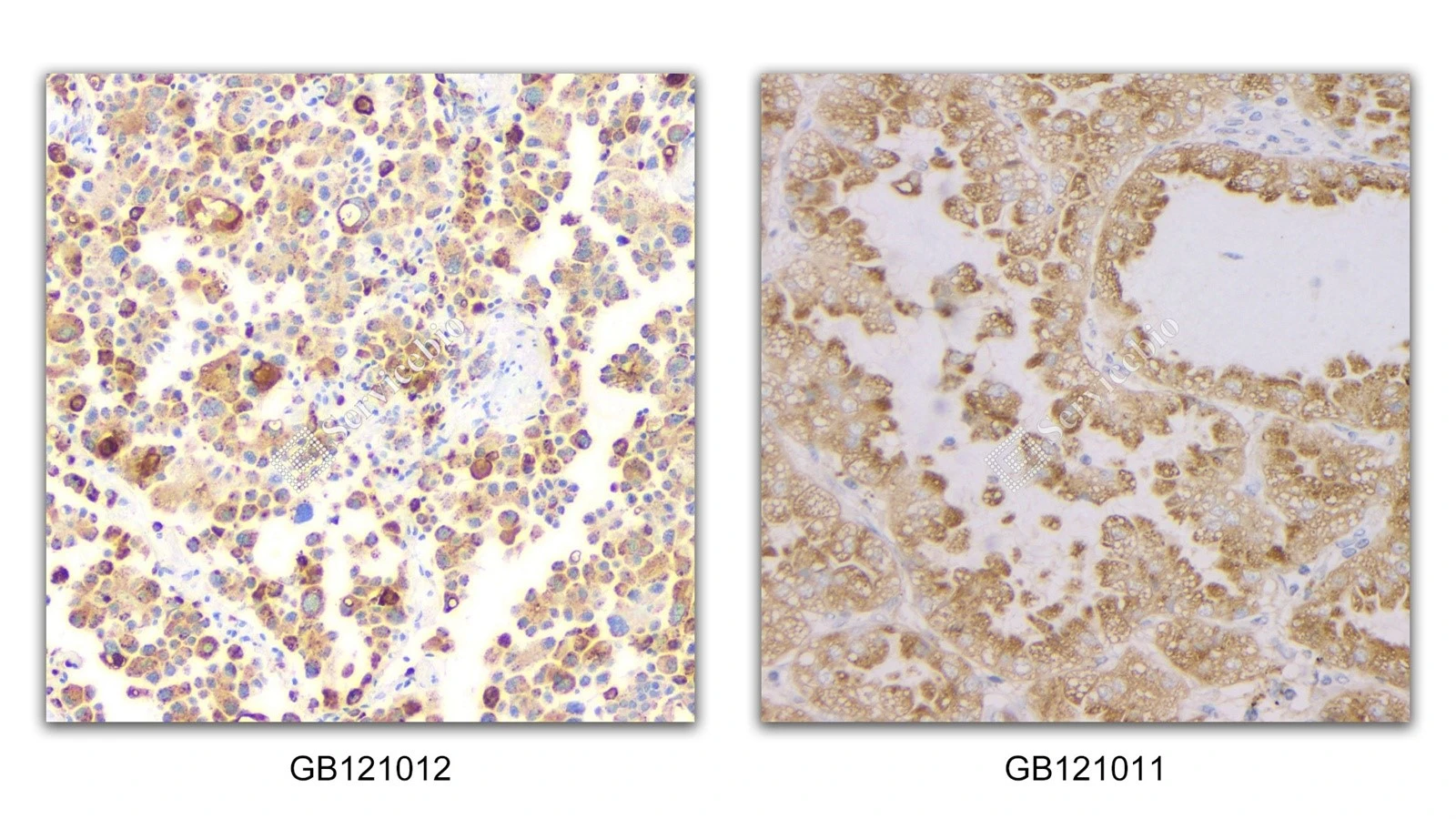
2. Napsin A
Cat. No.: GB121012 / GB121011
Napsin A is expressed positively in more than 80% of lung adenocarcinomas, and TTF-1 and Napsin A are one of the best combinations of antibodies available for the diagnosis of lung adenocarcinoma.
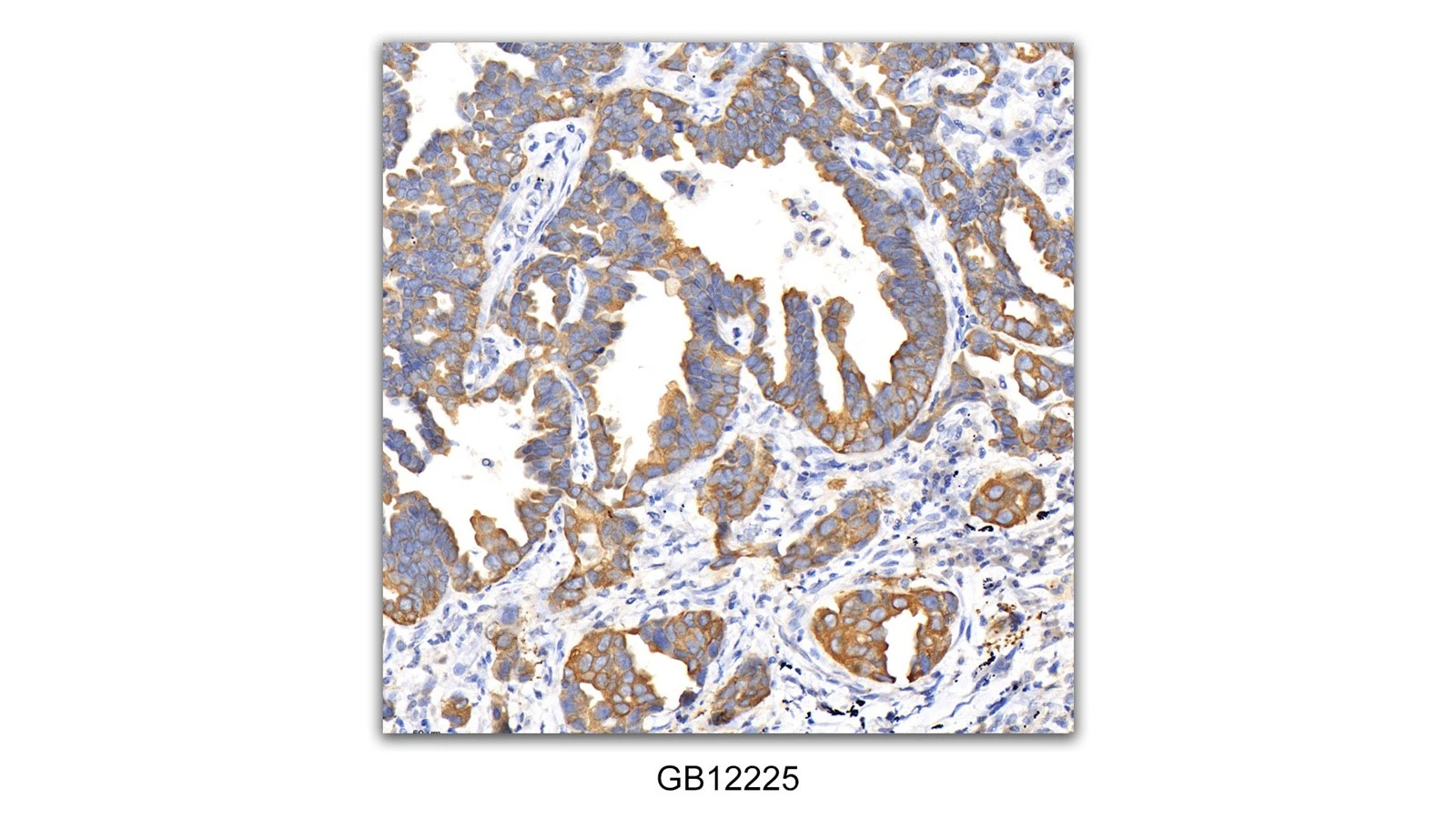
3. Cytokeratin 7 (CK7)
Cat. No.: GB12225
Almost 100% of lung adenocarcinomas express CK7, but the specificity of CK7 is low.
In the differential diagnosis of lung adenocarcinoma, CK7 should be used in combination with TTF-1 and Napsin A.
Lung Squamous Cell Carcinoma
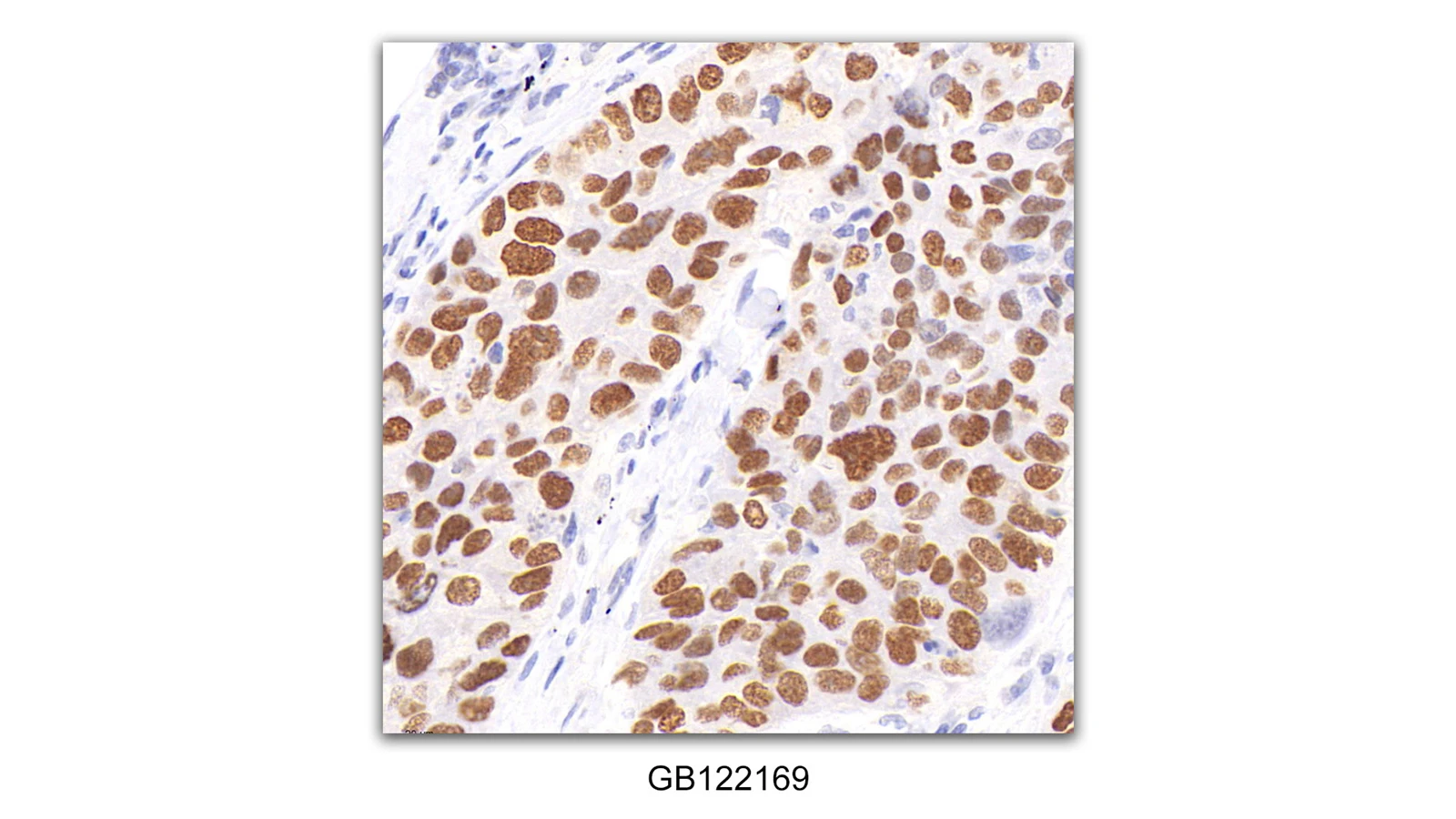
1. p40
Cat. No.: GB122169
p40 is one of the isoforms of the p63 protein, positively localized to the nucleus. It is considered to be the most specific and sensitive marker for squamous carcinoma.
Its sensitivity is similar to p63, but its specificity is better than p63. More than 96.8% of squamous carcinomas are positive, while adenocarcinomas are basically silent and often have focal expression.
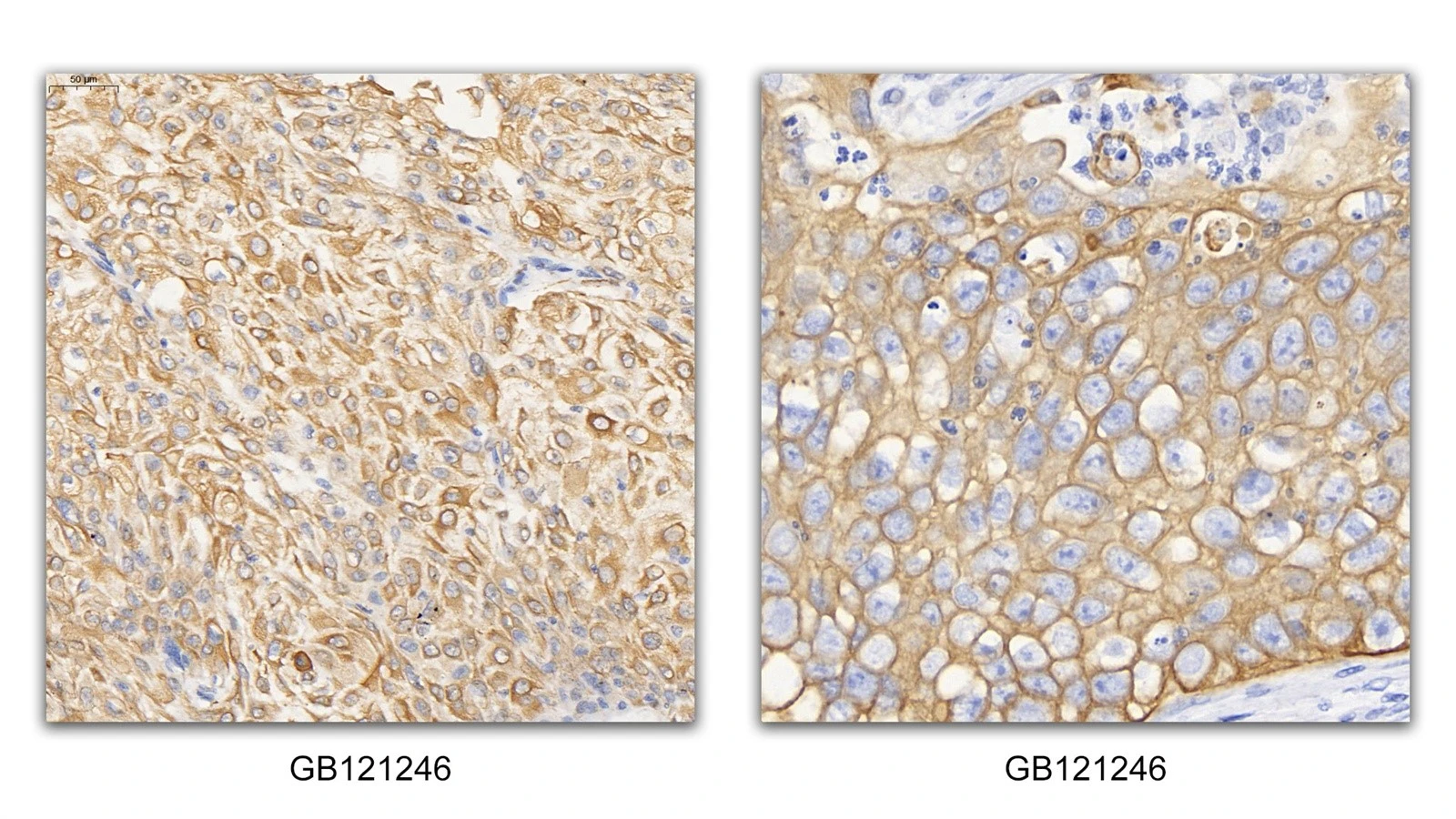
2. Cytokeratin 5 (CK5)
Cat. No.: GB121246
CK5 is a basic protein closely related to CK6 and is normally expressed in squamous epithelial cells, basal cells of ductal epithelium, myoepithelial cells and mesothelial cells.
It is expressed in 75%~100% of squamous lung carcinomas and is not associated with differentiation and grading.
Pneumonia Inflammatory Cell Markers
T Cells
1. CD3
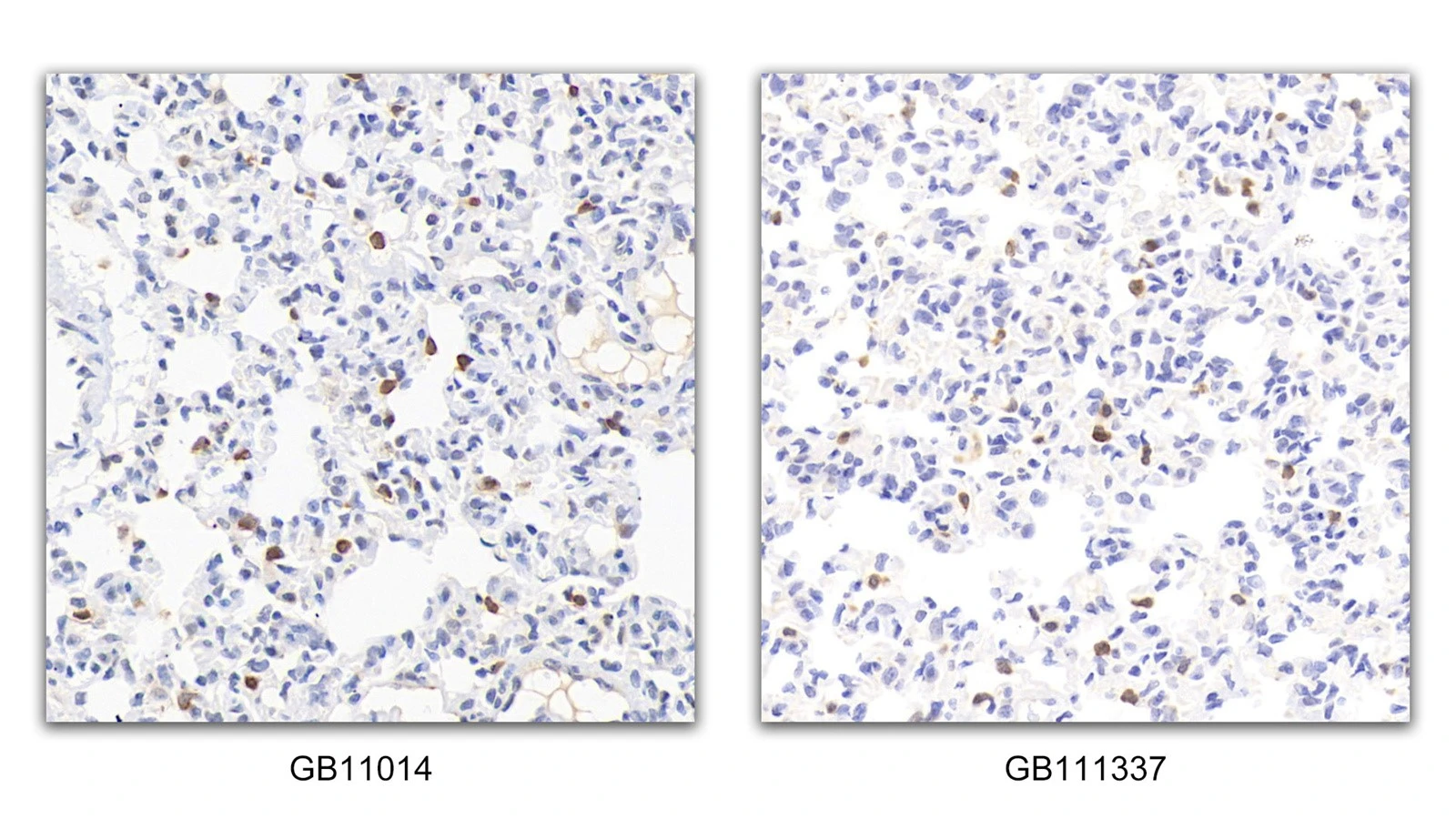
Cat. No.: GB11014 / GB111337
The co-receptor of CD3 (cluster of differentiation 3) with T cells is a protein complex. The transmembrane region of the CD3 molecule is connected to the transmembrane regions of the two peptide chains of the TCR by a salt bridge, forming the TCR-CD3 complex, which is collectively involved in the recognition of antigens by T cells.
2. CD4
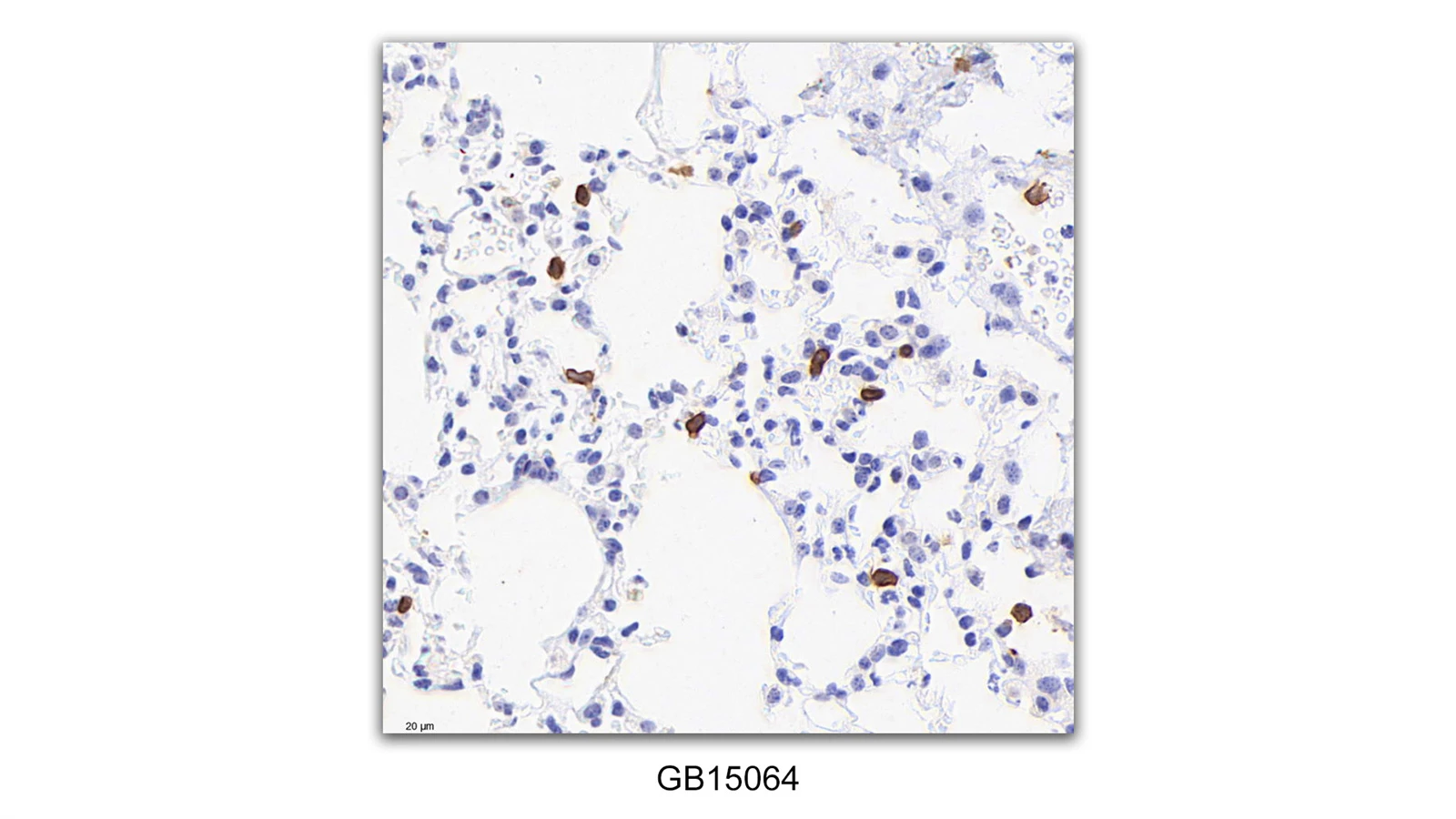
Cat. No.: GB15064
CD4 is expressed on the surface of T helper cells, regulatory T cells, monocytes, macrophages and dendritic cells and plays an important role in T cell development and activation. On T cells, CD4 is a co-receptor for the T cell receptor (TCR) and these two distinct structures recognize the antigen-major histocompatibility complex (MHC).
B Cells
1. CD4
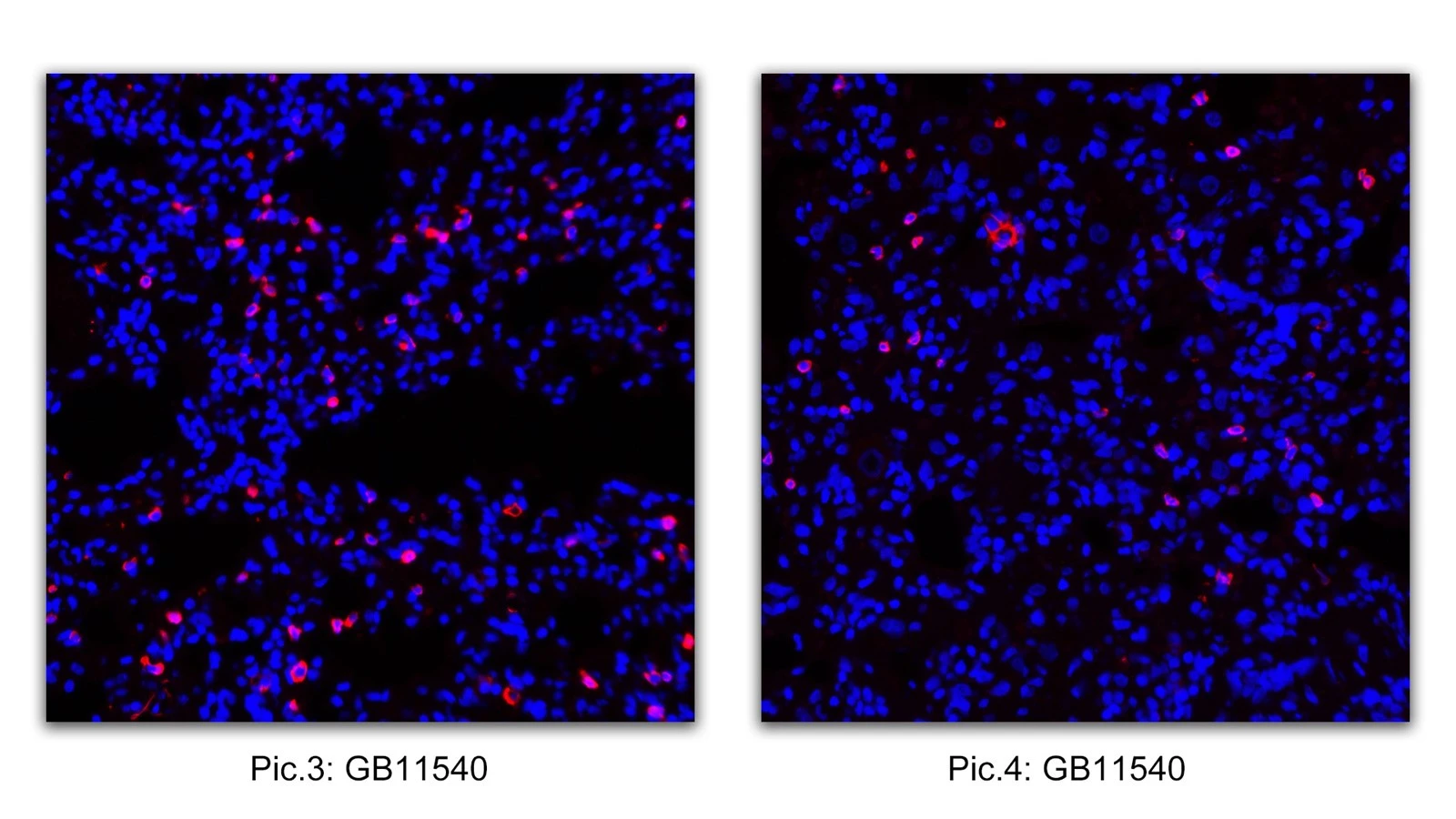
Cat. No.: GB11540
CD20 is a cell surface phosphorylated protein involved in the regulation of B cell activation and proliferation . It is commonly used as a marker to recognize B cells and is expressed throughout B cell development until they differentiate into plasma cells.
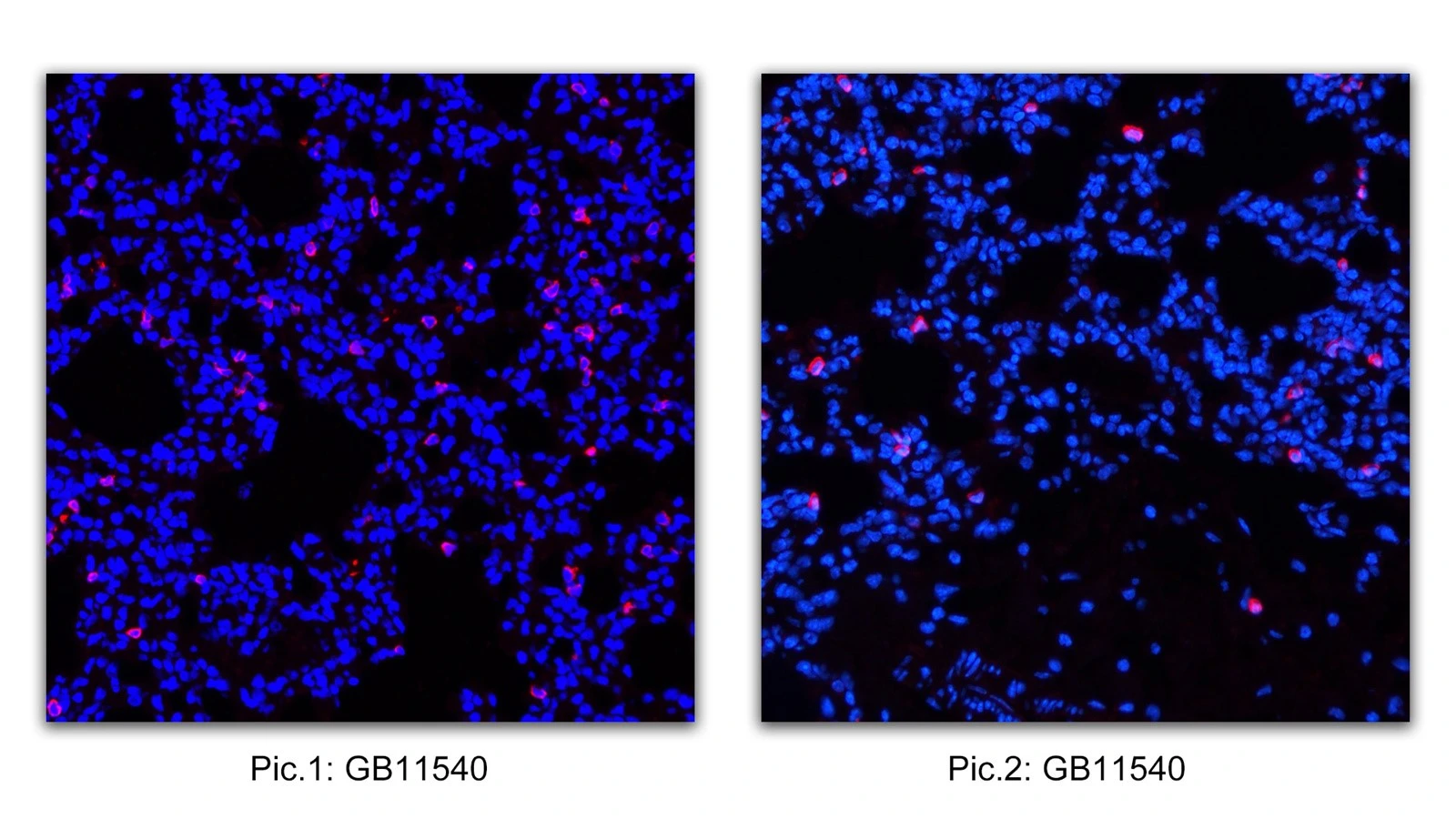
*Sample of Figure 1 above is a Servicebio rat model of acute lung injury;
*The sample in Figure 2 is a mouse LPS model of acute lung injury;
*The sample in Figure 3 is a rat pulmonary embolism model;
*The sample in Figure 4 is a rat pulmonary hypertension model.
Macrophage
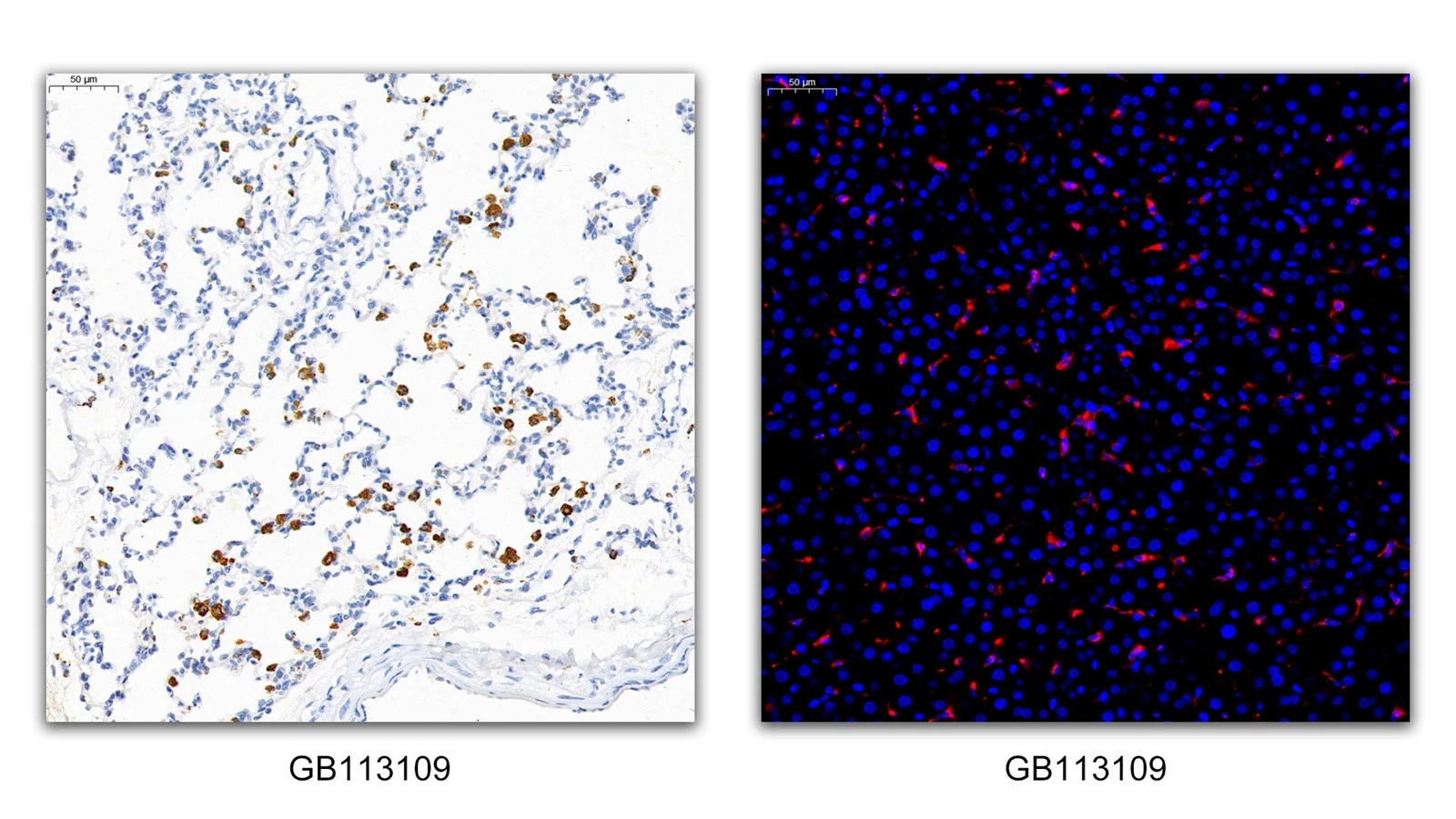
1. CD68
Cat. No.: GB113109
CD68 can be used to label macrophages and is present on plasma membranes, endosomal membranes and lysosomal membranes.
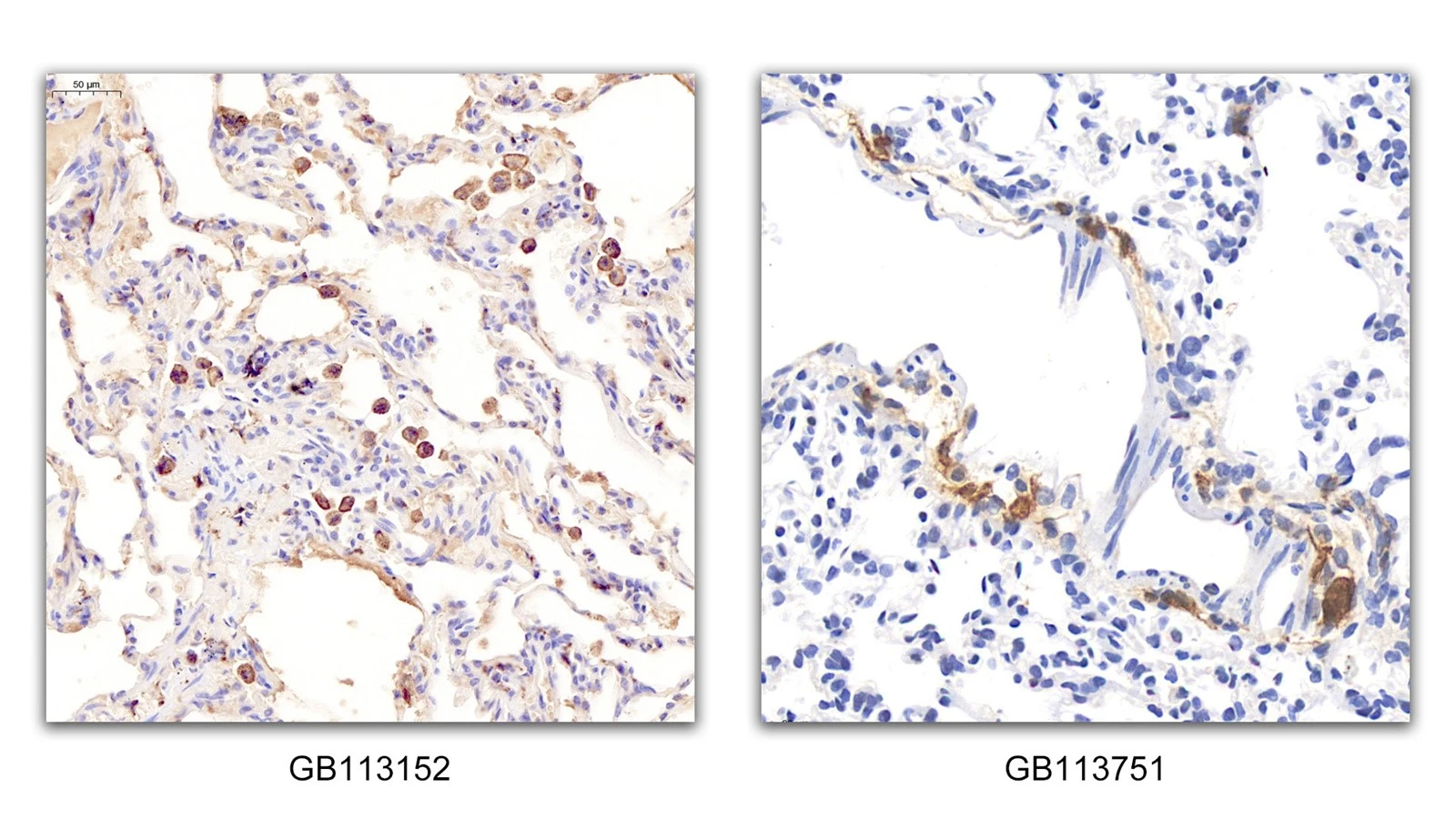
2. CD163
Cat. No.: GB113152 / GB113751
CD163 is a transmembrane scavenger receptor expressed on the surface of macrophages.
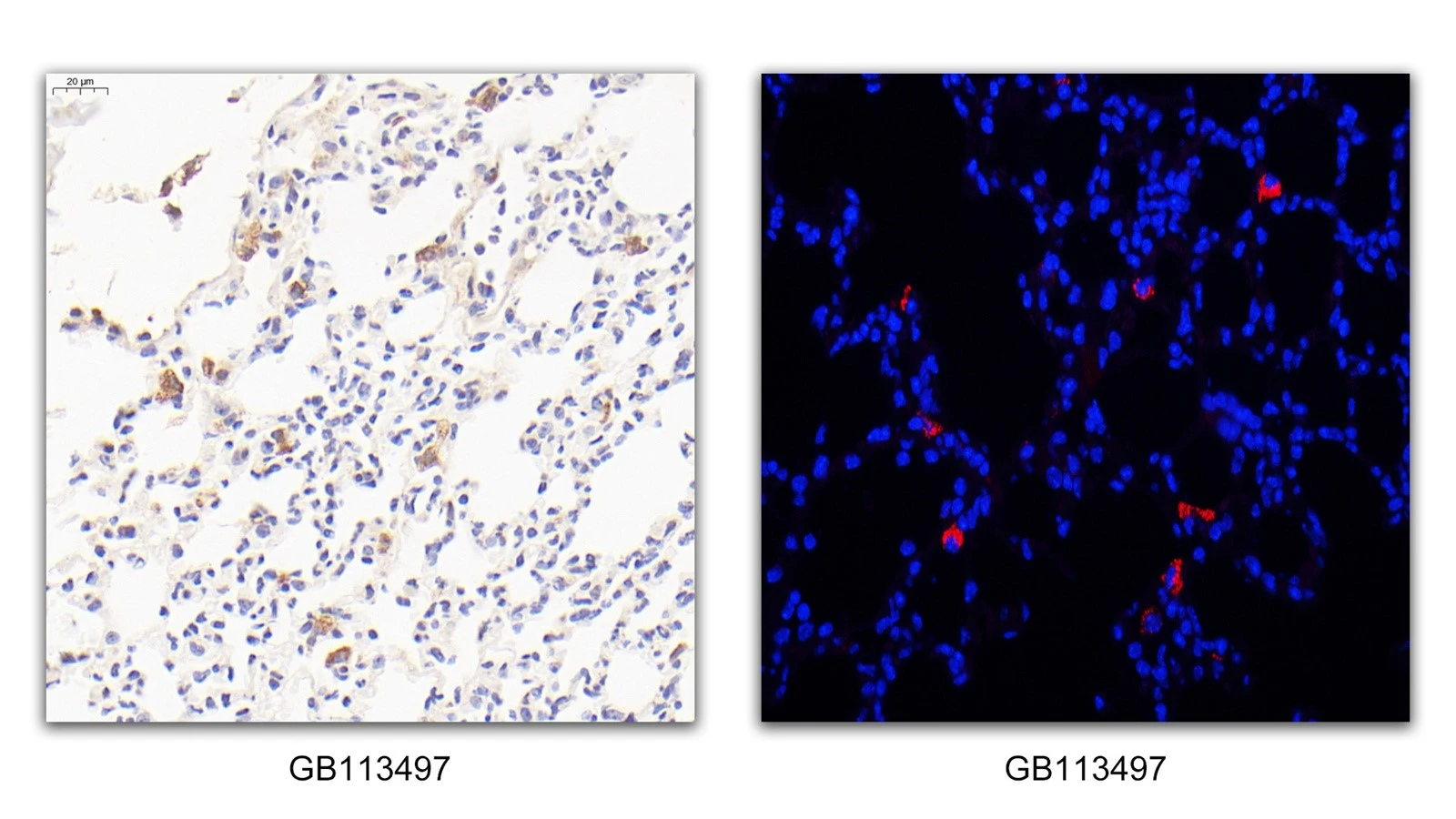
3. CD206
Cat. No.: GB113497
Mannose Receptor/CD206 is an important pattern recognition receptor and endocytosis receptor in the innate immune system, which is mainly found on the cell membrane surface of macrophages and dendritic cells.
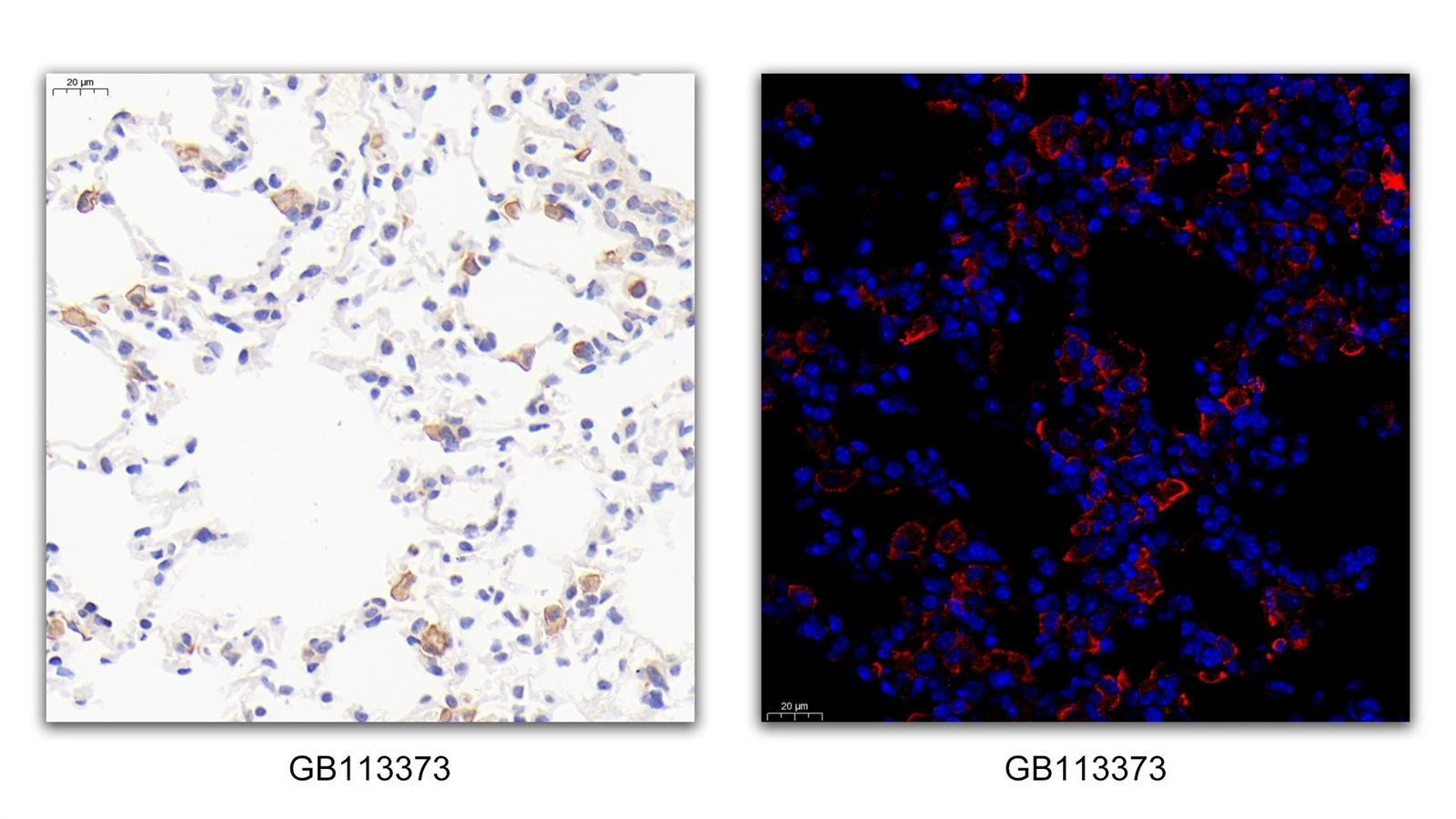
4. F4/80
Cat. No.: GB113373
F4/80 (EMR1) is a highly glycosylated G-protein-coupled receptor and a definitive marker for mouse macrophages.
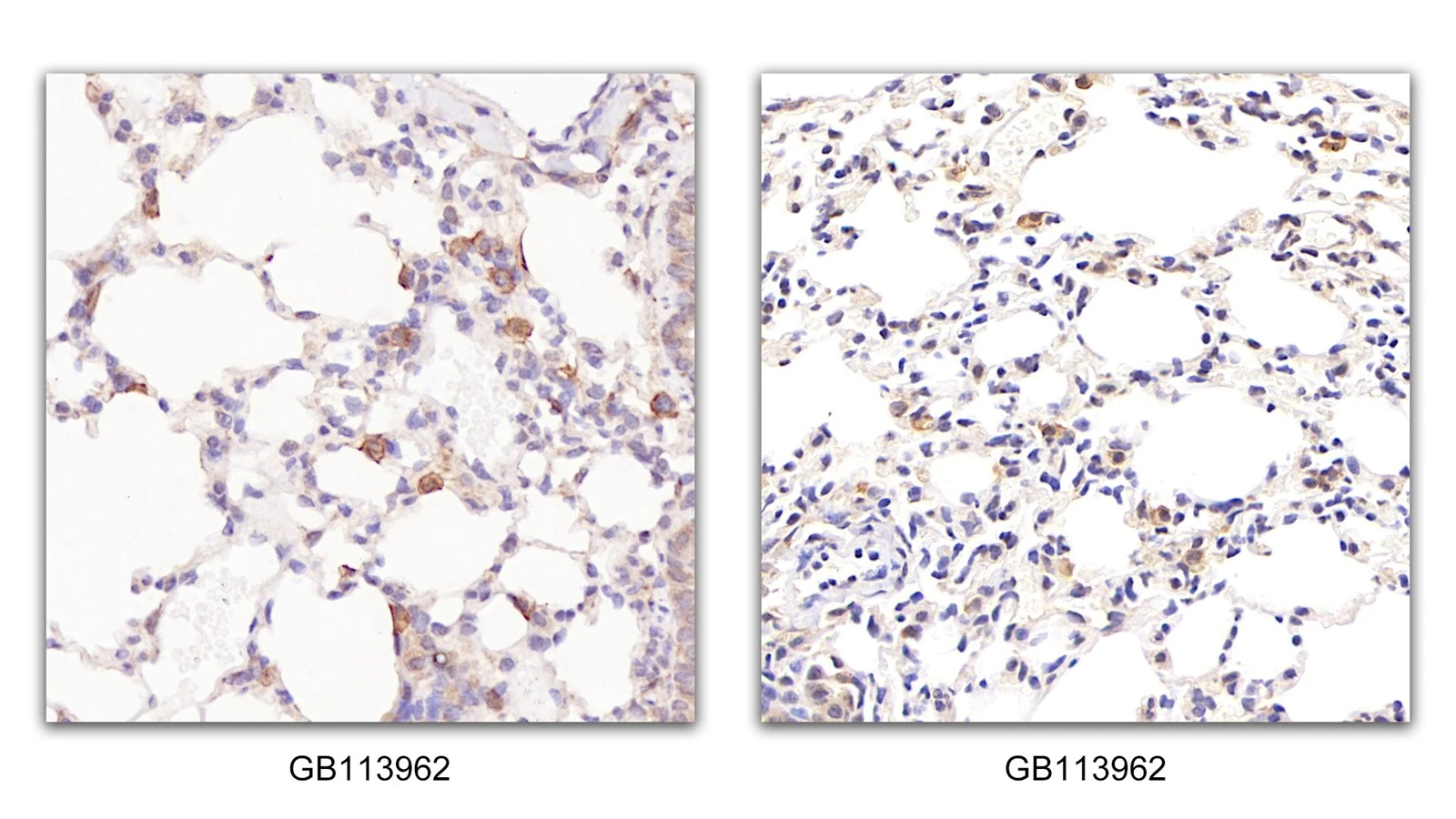
5. SIRP alpha (SIRPα)
Cat. No.: GB113962
SIRP alpha is mainly expressed on the surface of macrophages and binds to CD47 on other cells to transmit inhibitory signals to macrophages and inhibit their phagocytosis of target cells.
Neutrophil
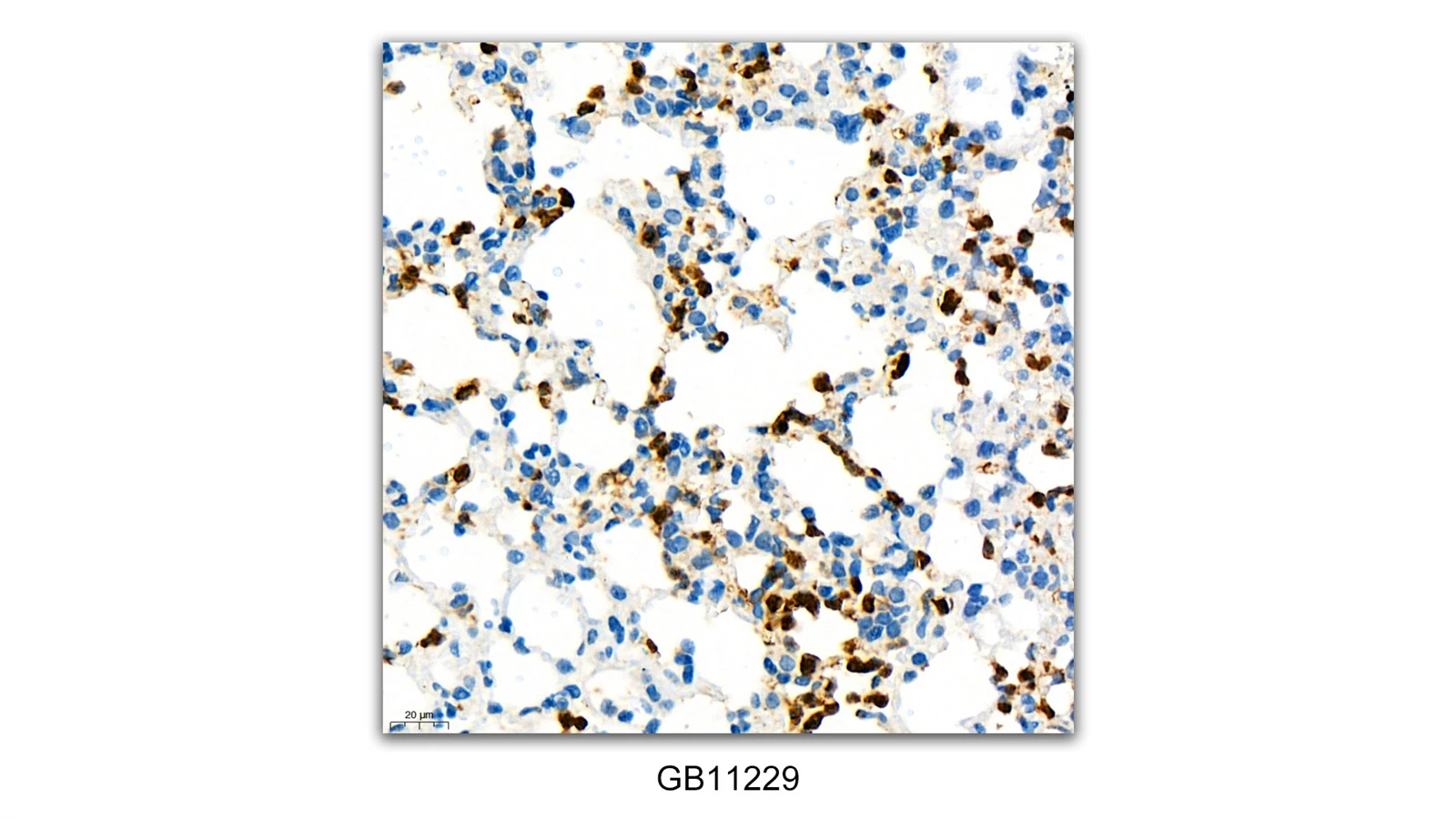
1. Ly6g
Cat. No.: GB11229
Ly6g is a GPI-anchored protein also known as myeloid differentiation antigen Gr1. Ly6G is expressed predominantly on neutrophils, but also on subpopulations of eosinophils, pre-differentiated monocytes and plasmacytoid dendritic cells.
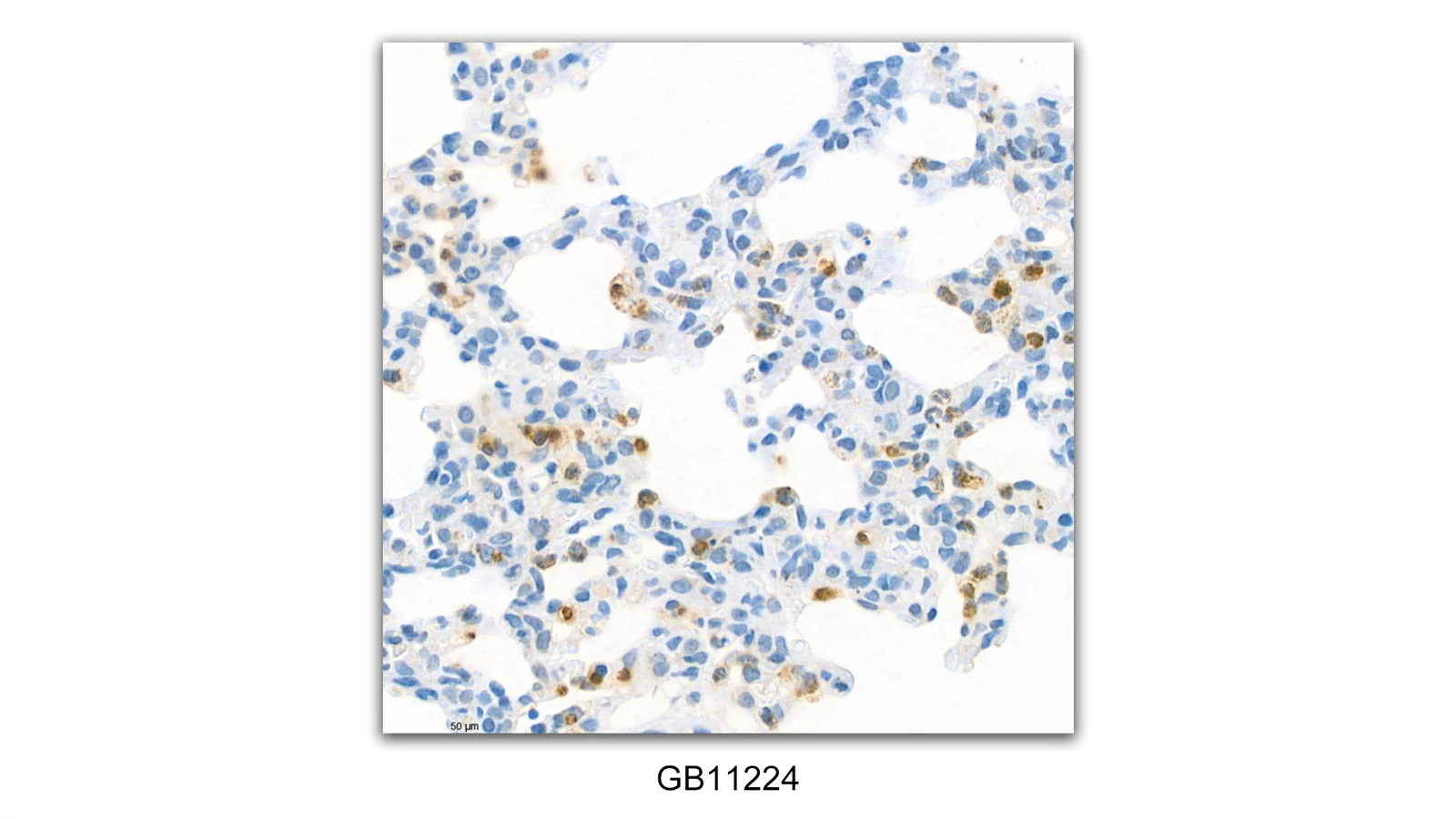
2. Myeloperoxidase (MPO)
Cat. No.: GB11224
Myeloperoxidase (MPO) is a peroxidase that is part of the host defense system of polymorphonuclear leukocytes. MPO is abundantly expressed in neutrophils and monocytes and is secreted during cellular activation. Elevated levels of MPO have been associated with tissue damage and many pathological states.
Pulmonary Fibrosis Related Proteins
1. alpha smooth muscle Actin (α-SMA)
Cat. No.: GB12045
ACTA2 (α-SMA) is currently recognized as a hallmark of myofibroblasts.
As the fibroblasts with the greatest capacity to produce extracellular matrix, they act as the ultimate effector cells during fibrosis, responding to stimulatory signals from a variety of internal and external factors, resulting in a variety of changes in morphology and gene expression profiles. For example, differentiation from fibroblasts into myofibroblasts, which are more collagen-producing cells, results in the secretion of large amounts of collagen, which exacerbates fibrosis.
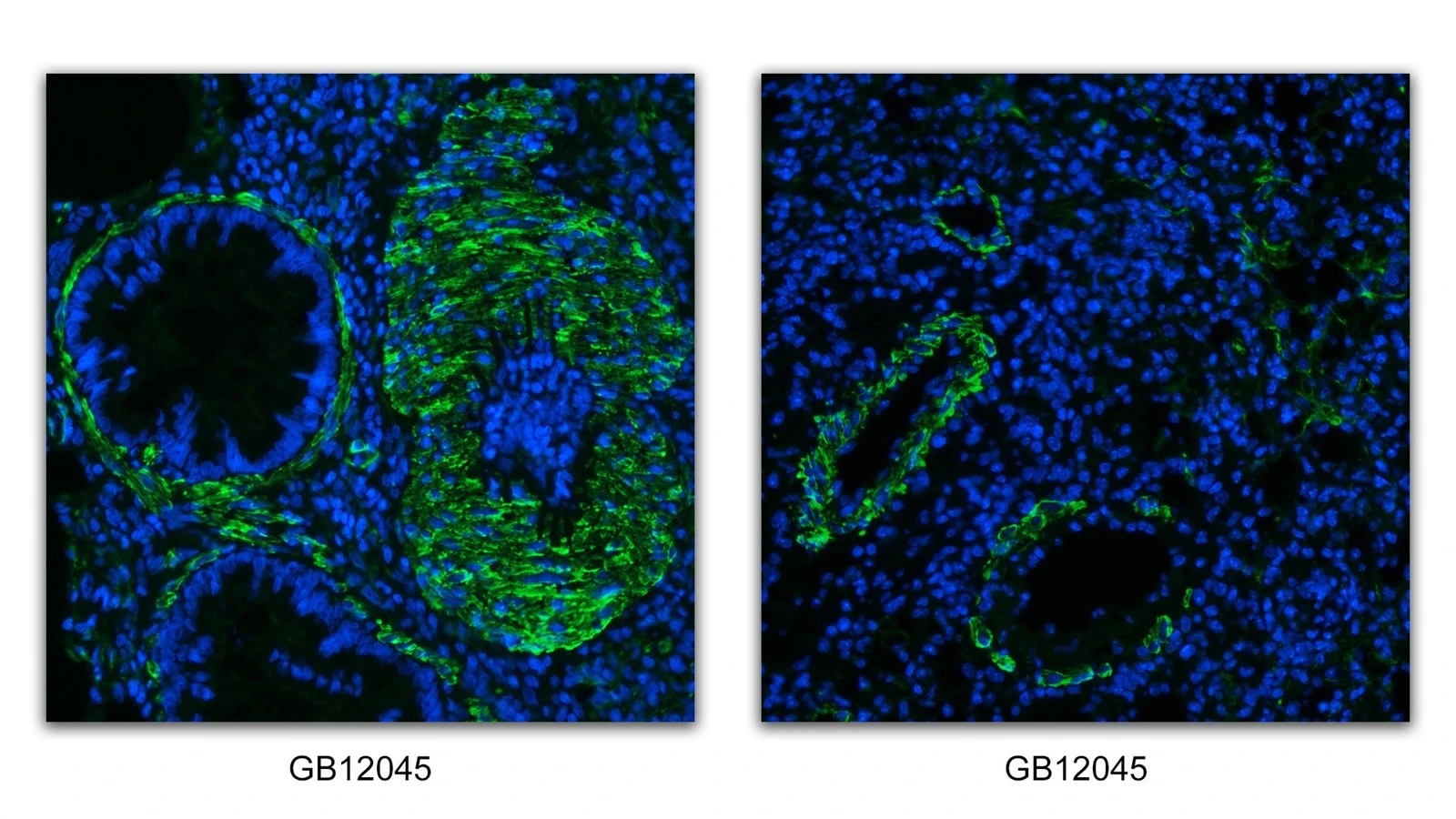
*The sample on the left is a Servicebio rat model of pulmonary hypertension;
*Right sample is Servicebio mouse model of bleomycin-induced pulmonary fibrosis;
2. Collagen I
Cat. No.: GB11022-3
Collagen I is the most abundant collagen in many human tissues such as bone, skin and tendon. It is a trimeric complex consisting of two molecules of COL1A1 (alpha-1 type 1 collagen) and one molecule of COL1A2 (alpha-2 type 1 collagen). Upregulation of COL1A1 alters the environment of the extracellular matrix, and the accumulation of large amounts of the extracellular matrix is one of the etiologic factors in the development of pulmonary fibrosis.
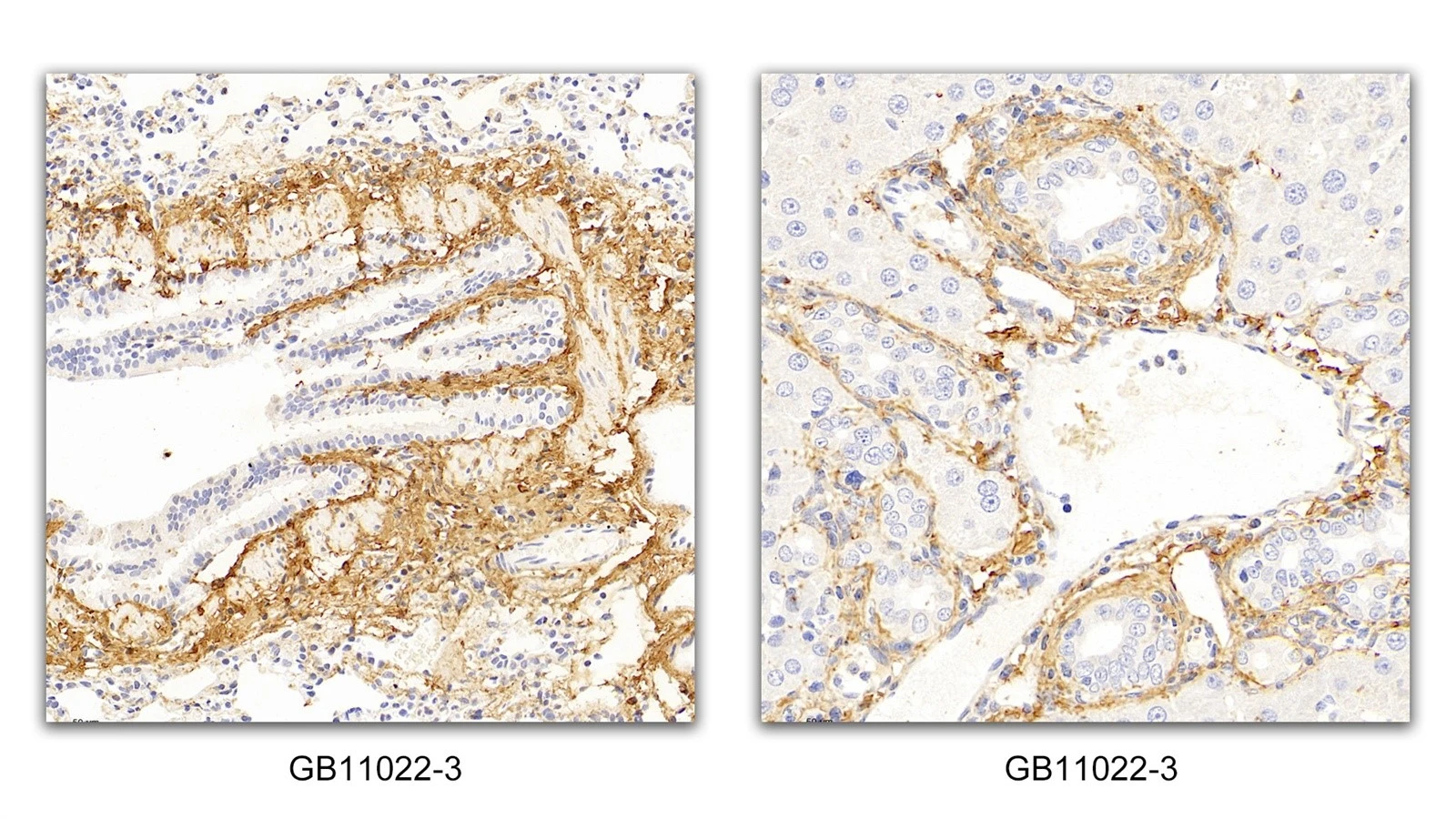
*The sample on the right is a model of BDL-induced liver fibrosis in Servicebio rats.
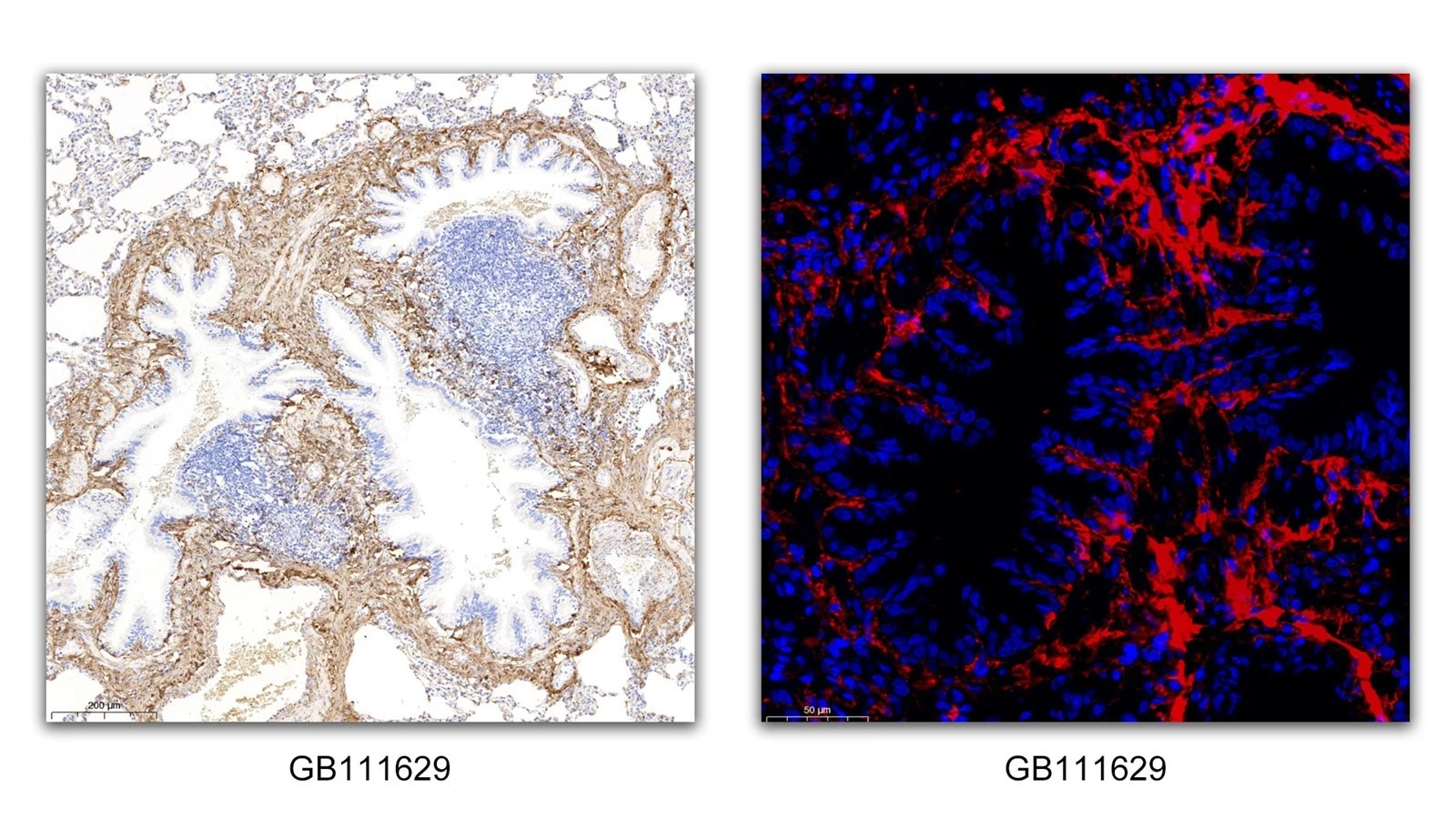
3. Collagen III
Cat. No.: GB111629
Collagen III (COL3A1) is a major fibrillar collagen composed of three identical α-1 chains. It has been shown that the expression of Collagen III is increased in pulmonary fibrosis diseases.